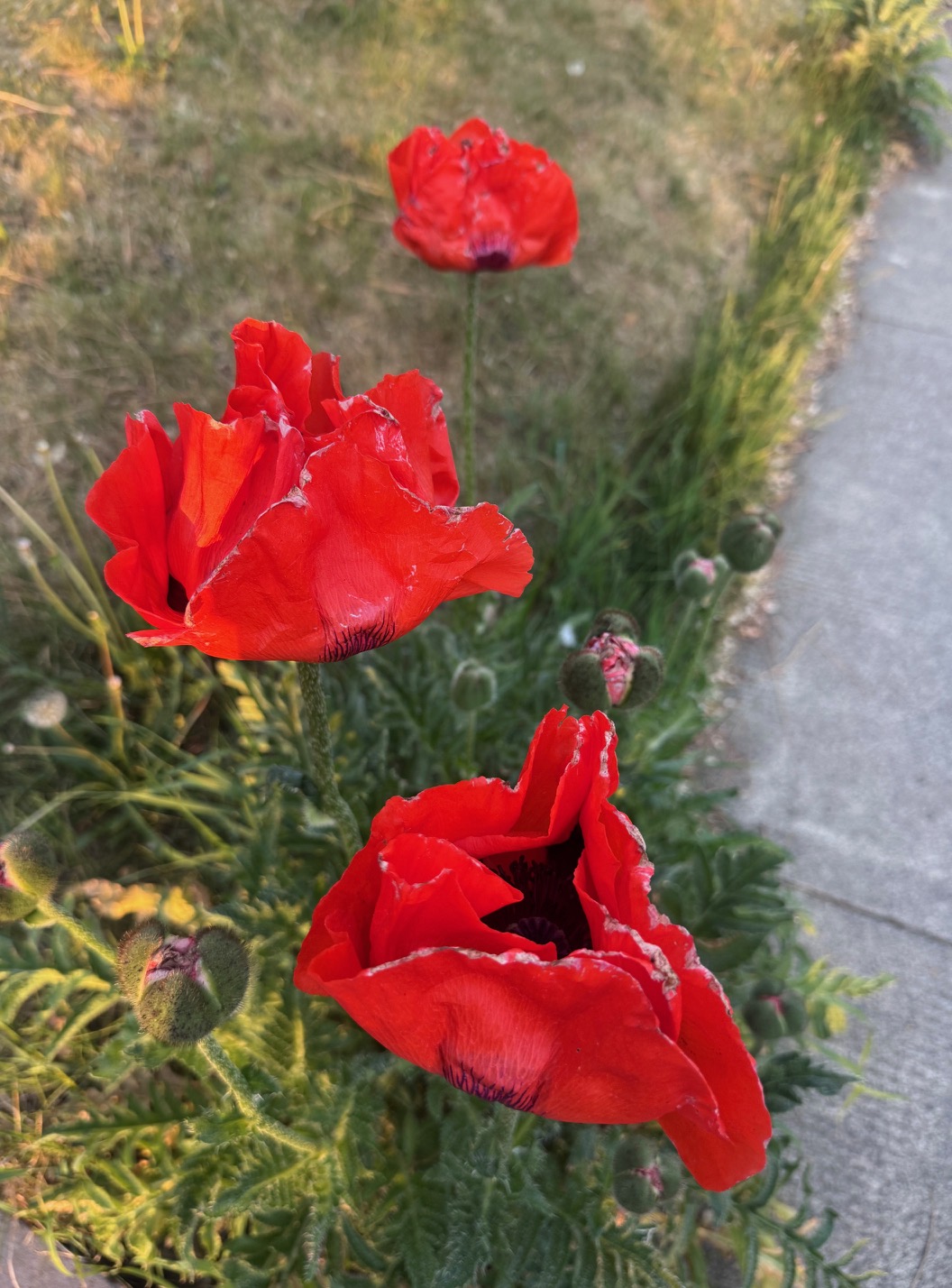

What parts of childhood were never meant to be left behind?
Many of us spend adulthood acquiring skills – competence, expertise, responsibility, productivity, planning, efficiency. Adulthood, however, often asks us to recover things we once had naturally. I refer to this stage of adulthood as “unbecoming,” a time of reacquainting ourselves with our inner voice, which we could more clearly hear as children, the voice that knew who we were at our core. This is a shedding of the “shoulds” we’ve taken on, beliefs and influences we’ve absorbed that never belonged to us and weren’t really meant for us. Last month, I explored the idea of growing pains. This month, I explore some of the aspects of childhood that might help to soothe the growing pains of adulthood.
Not everything from childhood should come with us, of course, but some things absolutely should, like that inner confidence and knowing. These moments of uncertainty in adulthood are opportunities that invite us to get back in touch with ourselves, with our inner voice, and our inner child that could see uncertainty as possibility.
As children, we naturally possessed many of the capacities that help humans navigate uncertainty: curiosity, wonder, imagination, play, experimentation, resilience, presence, and the belief that things can be created. As adults, we often trade these capacities for certainty, control, expertise, and predictability. Yet when life becomes uncertain, as it inevitably does, we discover that the skills we need most are often the ones we left behind.
Some of my favorite memories from childhood were making forts and structures, stories and adventures out of blankets, a box, or the mud. Taming the tall weeks with a path through them to create a hidden sanctuary. As a kid, I moved quite often, so there was often a good box to be had. I loved creating an outdoor kitchen or house, creating a space of my own where I could anchor and escape into a world of my own. In times of uncertainty, I found my creativity.
Have you ever noticed that children run toward uncertainty? Children don’t know what they’ll find in the woods. That’s why they go. And then we grow up. Adults don’t know what they’ll find in the woods, that’s why they often stay home.
Children ask questions constantly. Their curiosity is one of their childhood gifts. “Why? Why? Why?” they ask, not because they need certainty, but because they are fascinated and want to learn about the world around them. In adulthood, there is a clear shift. Adults often seek answers more than questions, making assumptions rather than getting curious. As adults, we want plans, guarantees, predictions (reliable ones), and certainty. Curiosity, however, may be one of our greatest tools for navigating uncertainty.
Another gift of childhood is our imagination. Imagination transforms uncertainty into opportunity and possibility. Children see possibilities everywhere, creating a sword from a stick, a castle from a blanket, or, like me, building a kitchen from spare boxes. Adults, on the other hand, become constrained by what already exists. We stop imagining what could be and start thinking we need to work within the boundaries of the systems already in place.
Experimentation and our willingness to be scientists exploring the world is another gift of childhood. Children do not expect mastery; they expect to try and fail and try again, experimenting with movement and speech and song and dance and everything new, and everything is indeed new! They fall, and they try again. They build and rebuild, learning and refining and changing and growing. As adults, we often expect ourselves and one another to know, to get it right, to avoid mistakes. What might shift if we continued to consider life a series of experiments? I often think of life as small experiments represented by A + B = C, where C is the outcome, the experience, the impact I want, and I am A. What can I change or shift about myself and that which is in my control in order to shift C, in order to have the outcome, the experience, the impact I want to have? Feedback is data for creatively designing the next experiment.
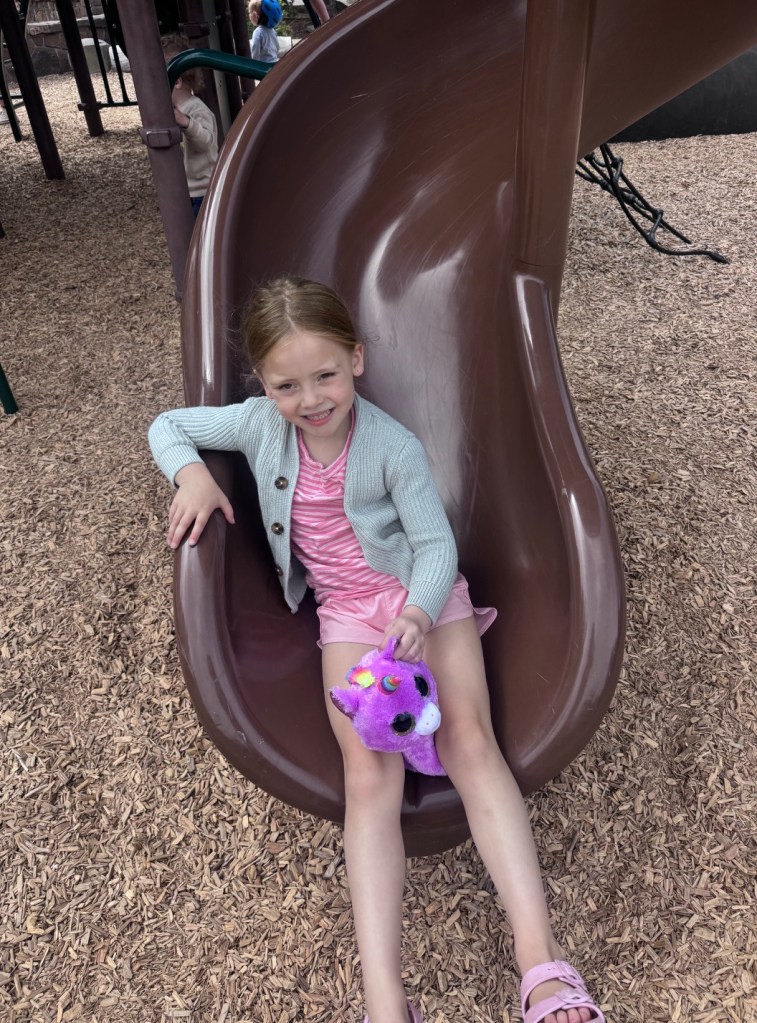
Children know how to play! Many adults, including myself, too often associate play with frivolity. Neuroscience, however, links play consistently to learning, creativity, innovation, resilience, and connection. Play frees us from the constraints placed upon us and gives us energy, both necessary to thinking in new ways and to becoming new beings, adaptable and curious.
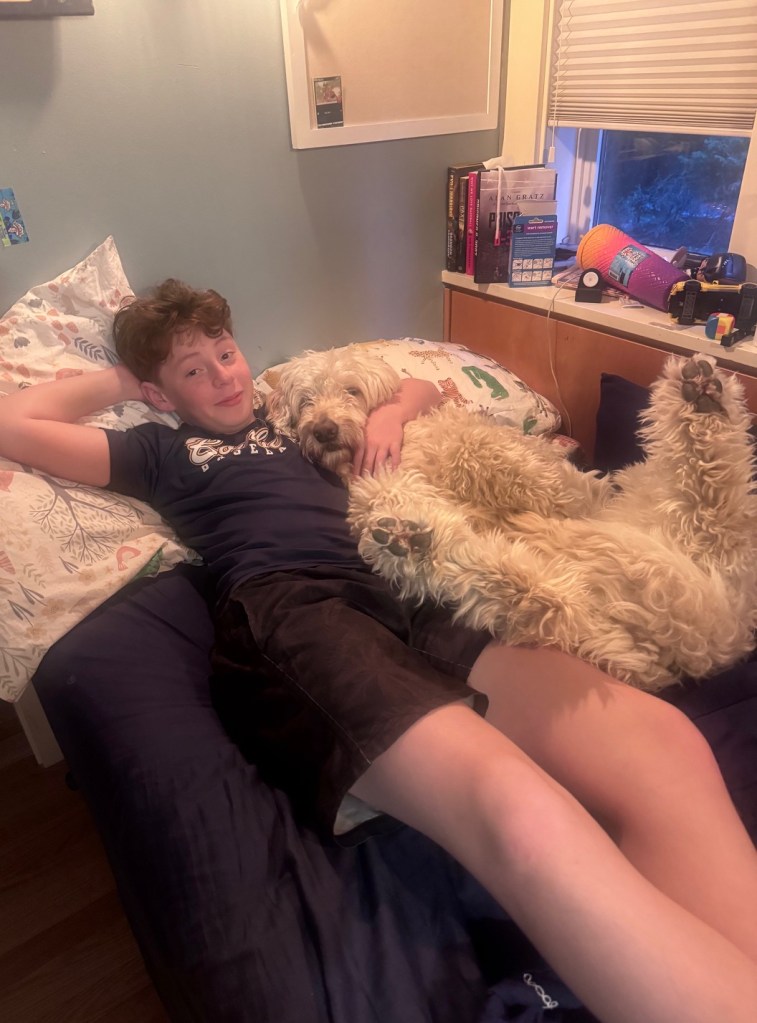
Children are remarkable at being present! As I mentioned when I wrote about my trip to Spain with my son, Will, one of my favorite characteristics of Will in particular is his ability to be fully in the moment and to appreciate the everyday aspects of life like a flower, the way the light hits the water, the sunset, or a ripple in a fountain. Children are what they are without expectation or apology. Adults spend countless hours and energy replaying the past and trying to predict the future, anxiously rehearsing for every scenario.
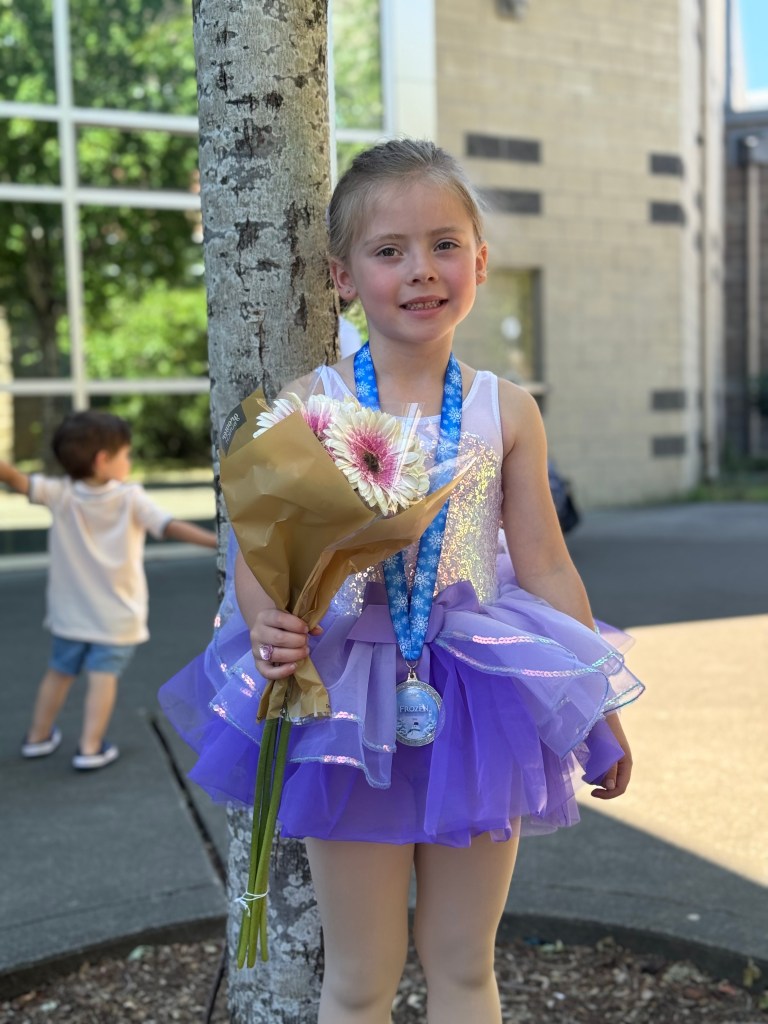
Children have a knack for believing even in the things they cannot see. They believe anything is possible. They believe they can and will learn and grow. They believe they are creative and capable.
Life teaches us caution, but caution and possibility do not need to be enemies. Perhaps uncertainty feels so uncomfortable because it asks us to put down some of our favorite adult tools and requirements of certainty, expertise, and control, and instead pick up some of our childhood tools and gifts. Childhood curiosity, wonder, play, experimentation, imagination, presence, may just be the keys to solving our complex adult problems, not because they call us to be childish, but because they allow us to become whole and to take with us, the tools from our past that will continue to serve us throughout our future.
Maybe the goal of adulthood isn’t to leave childhood behind. Maybe the goal is to carry forward the parts of childhood that help us remain creative, adaptable, courageous, present, capable, and fully alive.
Reflective Questions:
What part of childhood still serves you today? What if curiosity is more useful than certainty? What questions are you no longer asking? Where have you replaced wonder with assumption? What would change if you approached this season of life with curiosity instead of judgment? What possibilities have you stopped imagining? What if your next chapter doesn’t exist yet because you’re meant to create it? Where have you mistaken familiarity for reality? What have you stopped doing because it wasn’t productive? What brought you joy before achievement became the goal? What if play isn’t the opposite of work? What if play is the source of our best work? How much of your life is happening right now? What are you missing while trying to predict what comes next? What did your younger self believe that your adult self has forgotten? What dream deserves a second look? What possibility have you dismissed too quickly? What part have you unintentionally left behind? What would it look like to reclaim it? If uncertainty is the invitation, what childhood gift is it asking you to bring with you? What if this moment is enough?






Quote I’m Pondering:
“Underrated life advice:
Schedule your fun first. The vacation. The dinner. The concert. The weekend trip. Put joy on the calendar before work fills it. Most people work first, play with what’s left. There’s never anything left. Book fun like meetings. Treat joy like obligation.”
~ Scott Clary ~

Book I’ve Read:
Certain About Uncertainty: Build Resilience, Gain Confidence, and Thrive in a Chaotic World | John Austin, PhD
What Amazon Has to Say:
“A Practical Guide to Confidence in Chaos”
Uncertainty is not a passing phase. It’s the defining condition of modern work. For many mid-career professionals and leaders, the pace of change has accelerated beyond what their old playbooks can handle. These leaders are skilled, experienced, and relied upon by others, yet they still feel the strain of constant disruption and the pressure to make decisions in environments where the ground never stops shifting.
They’ve tried planning harder, working smarter, mastering productivity tools, and relying on the expertise that once guided them. But these familiar strategies often increase anxiety instead of easing it, leaving them frustrated, overloaded, and unsure how to lead themselves or their teams through the fog of uncertainty.
Certain About Uncertainty offers a new path forward—one built on a learnable set of capabilities John Austin calls uncertainty intelligence. Instead of treating unpredictability as a threat to control or avoid, Austin shows how to build true confidence by strengthening three core, learnable skills: anticipatory awareness, adaptability, and learning agility. These principles don’t eliminate uncertainty rather they teach you how to navigate it with clarity, competence, and steadiness.
Drawing on decades of research, teaching, and work with leaders in fast-changing fields, Austin introduces original tools that cannot be found in other books on decision-making or change, including uncertainty vectoring, situated expertise, and the three translation moments—practical frameworks designed to help you navigate complex situations with clarity and competence.
Inside, you’ll learn:
· How to map uncertainty more accurately using uncertainty vectoring.
· Why your past expertise may fail and how to update it effectively.
· How teams can build collective resilience through situated expertise.
· What causes good ideas to break down in practice and how to prevent it.
· How to shift from anxiety to capability, even in fast-moving environments.
If you want to feel steady in chaos, lead with confidence, and build the skills needed for a constantly changing world, Certain About Uncertainty will show you how.
My Thoughts:
The Adventure of the Unknown – Igniting Curiosity and Wonder
This book came at the perfect time! I have been sitting in my own spaces of uncertainty post-PhD, and living in an uncertain world. I, myself, have been pondering the concepts of fog and its gifts. Certain About Uncertainty offers a compelling reframe of uncertainty, not as something to eliminate, but as a fundamental condition of life that can fuel growth, creativity, and resilience. I especially loved the visual metaphors of childhood explorations and the call to hold onto the parts of childhood that serve us throughout life, particularly our childhood ability to see adventure and possibility in the unknown. As Austin writes, “Every challenge invites us to choose wonder over worry,” and “Certainty, for all its comfort, is a dead end. Uncertainty is where life happens.” These ideas come to life through the powerful image of the fog: “I choose to run into the fog now, not avoid it… it’s where we discover capabilities we didn’t know we had,” and “The future is foggy… It’s magnificent. It means we get to write the story as we live it.” Thoughtful, imaginative, and actionable, the book introduces “uncertainty intelligence” as a set of capacities – adaptability, learning agility, and awareness – that help us move from fear of the unknown toward a more curious and empowered relationship with it. With these capabilities, Austin challenges us with his own reframe, to embrace the fog, to “run into the fog” with fearlessness and enthusiasm, to create the future we imagine just as we once built forts in the woods, vast creations from playdough, and stories in the clouds. Thank you for this poignant reminder to see the possibility in the unknown, and to bring with us into adulthood, the aspects of our childhood that will forever serve us – curiosity and the excitement to create!



Podcast I’ve Listened to:
How Your Origin Story Runs Your Change Program | Ron Carucci | Modern Change Management & Leading Change
Change Signal: Modern Change Management That Works | Hosted by Michael Bungay Stanier
From the Host:
Change management, as most of us were taught it, assumes a linear path: a clear “from,” a clear “to,” and a plan to get there. In this conversation, Ron Carucci makes the case that those days are over. For leaders running complex change in large organizations, the real work now is less about managing transitions and more about building readiness for constant uncertainty.
Ron and I explore why so many well-designed transformations stall — not because the strategy was wrong, but because the leader’s inner patterns were never examined. He introduces the idea of “origin stories”: early narratives that shape how leaders set standards, respond to resistance, and tolerate risk, often without realizing it.
We also unpack Ron’s three-domain model of transformation: work within the leader, between people and teams, and among the systems of culture, strategy, and governance. Miss one, and change quietly unravels. This is a practical, humane, and slightly uncomfortable conversation for experienced change leaders who want results that actually stick.
Here are three questions that arise from this Change Signal conversation with Ron Carucci:
- Are we still managing change as if it is predictable?
- What unseen stories are really shaping how our organizations behave?
- And where might leaders themselves be quietly getting in the way?
Change Signal. Cut through the blather, the BS, and the noise to find the good stuff that works in change. If you’re a transformational leader seeking modern change mastery, you’re in exactly the right place.
My takeaways:
“Find the stories about who we were and write the stories of who we want to be.” This call from Ron Carucci has stayed with me.
Change readiness is no longer optional. We are always standing on a frontier, and the line is always moving. Leaders today are constantly navigating uncertainty. Navigating the unknown requires more than resilience, it requires self-awareness. It requires knowing who we are and understanding the stories we carry with us. Many of those stories were written long ago. They shape our decisions, our cultures, our strategic choices, our willingness to take risks, and our capacity for change. These are our “origin stories.” What has shaped us as people has shaped us as leaders.
How did we develop our beliefs about change and transformation? Success and failure? Risk and safety? How do those beliefs continue to script our leadership today?
The stories we told ourselves as children, the patterns, behaviors, habits, and beliefs we developed to navigate our earliest experiences, often served an important purpose. They helped us make sense of the world and protect ourselves. But what once served us may no longer serve us. The challenge is first, learning to recognize the lens through which we see the world. What narratives did we create to survive, belong, or succeed? And second, to determine, do those narratives still support us, or do they now limit us as leaders?
Carucci shares a powerful story about a leader named Andy, whose childhood experiences shaped beliefs that initially contributed to his success but eventually became liabilities. The ways we were criticized and the ways we learned to criticize ourselves often become the internal voices directing our decisions decades later. Those voices may have protected us when we were young, but they are not always cheering us on as adults.
Our shadows don’t remain personal. They show up in our leadership. They influence the cultures we create, the teams we build, and the organizations we lead. In fact, we are often drawn to cultures that mirror our own narratives and reinforce the beliefs we hold about ourselves.
Uncovering these origin stories is not easy. People naturally resist examining the narratives that have guided them for years. To navigate that resistance, leaders must first earn trust, and find the space to trust, both in themselves and in others.
Carucci describes transformation occurring across three levels:
Within – the transformation that occurs within the leader.
Between – the transformation that occurs in the spaces between people, teams, and functions.
Among – the transformation that occurs at the systemic level through culture, strategy, governance, and organizational structures.
Real change requires attention to all three.
Another reminder that resonated deeply with me: there is no failure, only data. Change is messy. Life is messy. The goal is not perfection; it is curiosity. Be mindful of the shame you may be projecting onto yourself or others. Notice your reactions. Get curious about them. The data is often in the discomfort.
One of the most powerful insights from the conversation was this:
“Everyone wants the revelation to be the redemption.”
Revelation, however, is not redemption. Revelation is simply the beginning. Awareness creates possibility, but it is the choices and actions that follow that create transformation.
And finally, it is important in creating the environment for change to thrive and survive, to prepare the system for the journey. The changes we make within ourselves inevitably affect those around us. As leaders, we cannot assume our growth happens in isolation. The shifts in our beliefs, behaviors, and identities ripple through our relationships, teams, and organizations. If we are asking others to navigate change, we must prepare them for the journey we are on as well.
Perhaps leadership transformation begins with a simple but challenging question:
What story helped me become who I am, and what story do I need to write next?


~
You can sign up to receive my Three Thoughts for Thursday post as an email on the third Thursday of every month by clicking here. If you’ve missed any of my Three Thoughts, you can find them all on my blog. If you enjoyed this post, take a look at my recap of 2025 in December’s Three Thoughts and May’s Three Thoughts for Thursday. Also, take a look at my posts that featured other books on this topic of staying in your own lane, including February 2025’s post, “Growing from the Inside Out,” featuring The Courage to Be Disliked, and April 2025’s post, “Presence and Balance,” featuring the book Don’t Believe Everything You Think. You may also be interested in reading some of my other recent blog posts, like the four-part Lessons of the Run series –Endurance, Resilience, Rest, and Grit. Take a look at my latest post, The Gift of the Fog, and “YOU are the MISSING Piece!”
If you are interested or know someone who may be interested, I also offer leadership and emotional intelligence coaching and workshops. You can find more information on my website, or you can use this link to set up a free 30-minute introduction to coaching session.
I have partnered with my fellow Education and Coaching colleague, Dr. Joan Flora, to offer a new experience we are calling The Empathy & Attunement Studio. This new endeavor seeks to create space to take emotions and experiences to the “studio” to build and practice new tools and create new outcomes in emotionally charged conversations and relationships. This space explores emotions and their purpose, the information they hold about our human needs, and how we can learn to respond with intention and integrity instead of reacting and regretting. We are offering monthly Open Houses and Studio Practice Space where you can learn more and dive into creating new outcomes.
Come check out what we’re up to at The Empathy & Attunement Studio ~ Where Emotional Awareness Becomes Purposeful Action!
I also have the privilege of hosting the Emotional Intelligence Special Interest Group for ICFLA. We kicked off our 2025 explorations and learning journey on February 25th with guest Dr. J.D. Pincus of AgileBrain, who walked us through The LA Wildfires through the Lens of Emotional Needs: Coaching in Times of Loss. On Tuesday, June 24th, we both revisited and explored emotional intelligence in coaching through our topic, Emotional Intelligence Foundations for Coaching and Workplace Impact, with guest Maribel Hines, MBA, SPHR, CPLP. Maribel offered her insights, wisdom, and perspective through her in-house leadership and coaching and EQ practitioner lens. It was a great session as we translated theory and emotional intelligence into action and impact! Our August 26th session with Dr. Joan Flora focused on From Reactivity to Resilience: Coaching to Soften Reactivity and Strengthen Resilience. Our final session for the year was on Tuesday, October 28th, with guest speaker, Nicole Venner, who created space to explore, discuss, and practice ways of holding space for Emotional Intelligence in Threshold Spaces.
Please consider joining us for the ICFLA EI SIG in 2026! We began the 2026 series on February 24th with Re-grounding Coaching in Emotional Intelligence: Foundations That Deepen Presence, Insight, and Impact. In April, Elena Sarango-Muniz joined us to share on the topic of The Art of Approachability – Build Bridges, Create Connections, Unlock Possibilities. Please join us June 23rd by registering here for a presentation and conversation with Erika Parker Price, on the topic of What AI Can’t Do: The Case for Human Skills.
If you are interested in joining and co-creating these learning communities, please use the links above to learn more about The Empathy & Attunement Studio, ICFLA’s Emotional Intelligence Special Interest Group, and BrainByDesign, and email me to learn more about future Women’s Events. I hope you will come along for the journey!
I’m always looking for new inspiration, new books to read, and new podcasts to listen to, so please send your suggestions my way or comment on this post to offer some new recommendations!
Wishing you a season of looking inward with curiosity, integrating the lessons and gifts that have shaped you, and creating impact through the stories you choose to write next. May you reconnect with the parts of yourself that have always known how to navigate uncertainty with wonder, imagination, experimentation, and trust. As you move through the fog, may you remember that the future is not something to predict, but something to create. Create something authentic, aligned, and fabulous! Thank you for being a part of my journey!
As always, thank you for your continued support and readership! Stay strong, stay brave, stay true to you!




 Desiree Briel Rodi Consulting & Coaching