

~ Savoring! ~
This morning, I chose to swim instead of run. Swimming, like running, can feel monotonous to some, but for me, the pool and the trail are sacred places where my best thinking emerges. As I write now, I’m trusting that the reflections I had in the water stayed with me—that they mattered enough, and I was present enough, for them to remain. Perhaps that is the true test: if we are fully present, does the mind hold on to the thoughts and moments that matter most?
As I swam, I reflected on the school board meeting I attended last night. After introductions, we did an icebreaker to discover unique commonalities with one another, unrelated to school. So often, we focus on differences—the qualities that make us unique. Instead, this exercise surfaced surprising connections that reminded me how much we share beyond the obvious ties.
One reflection back to me was, “You run fast and hard in life, don’t you?”
I laughed and replied, “Yes, generally with my hair on fire.”
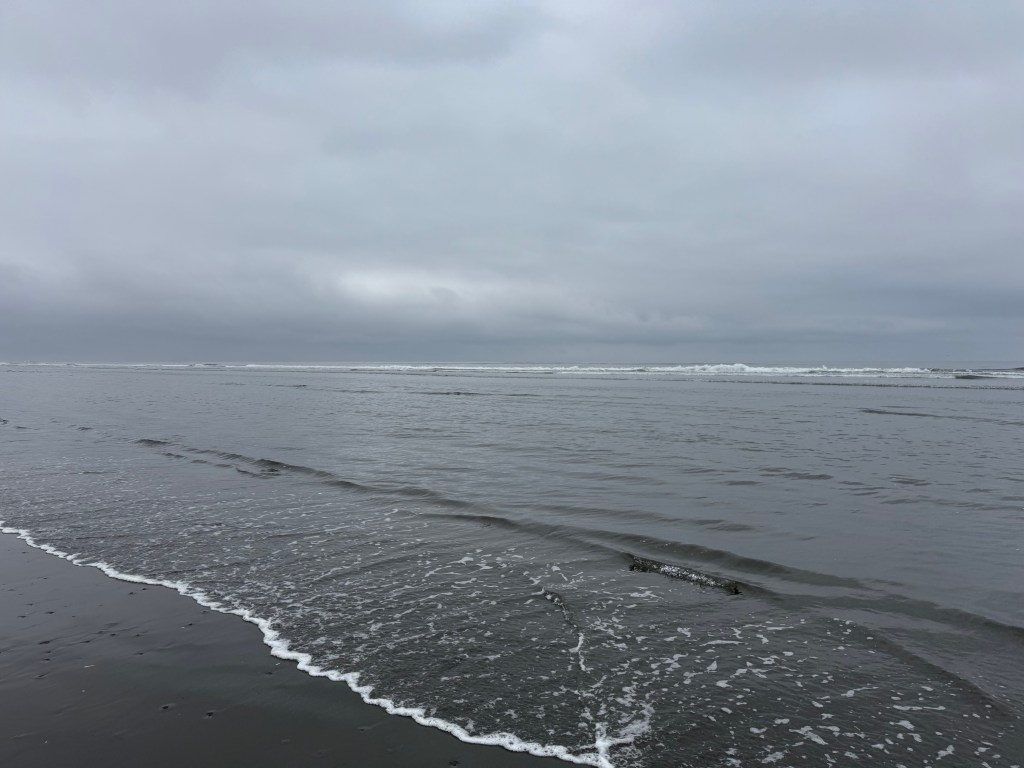
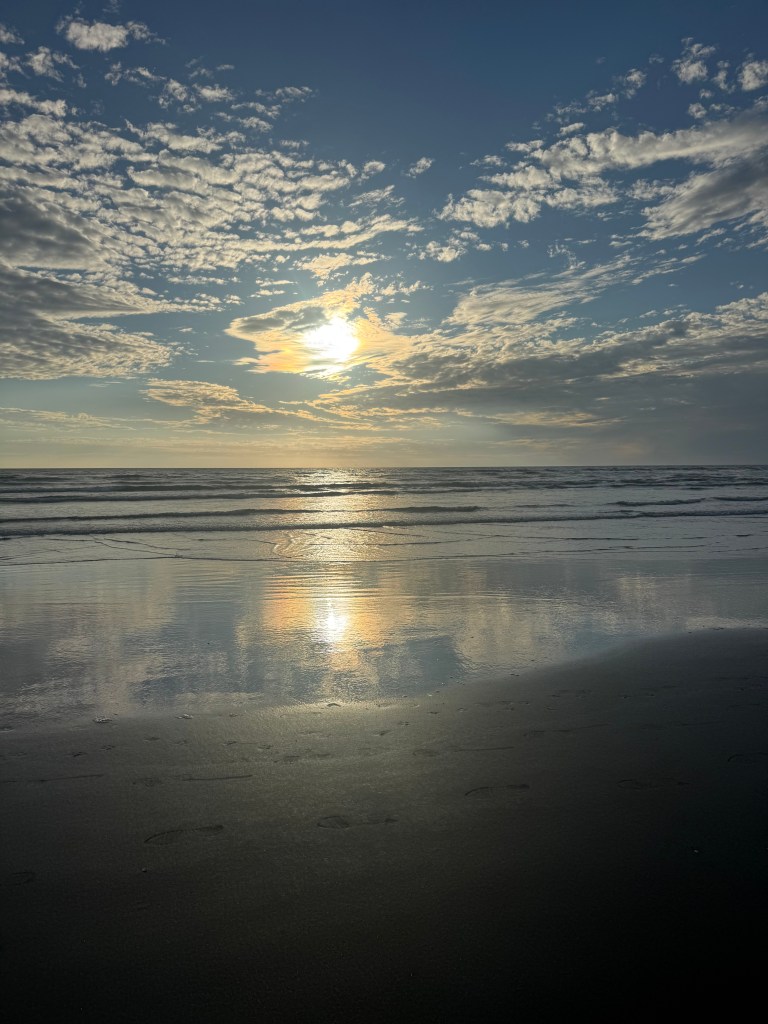
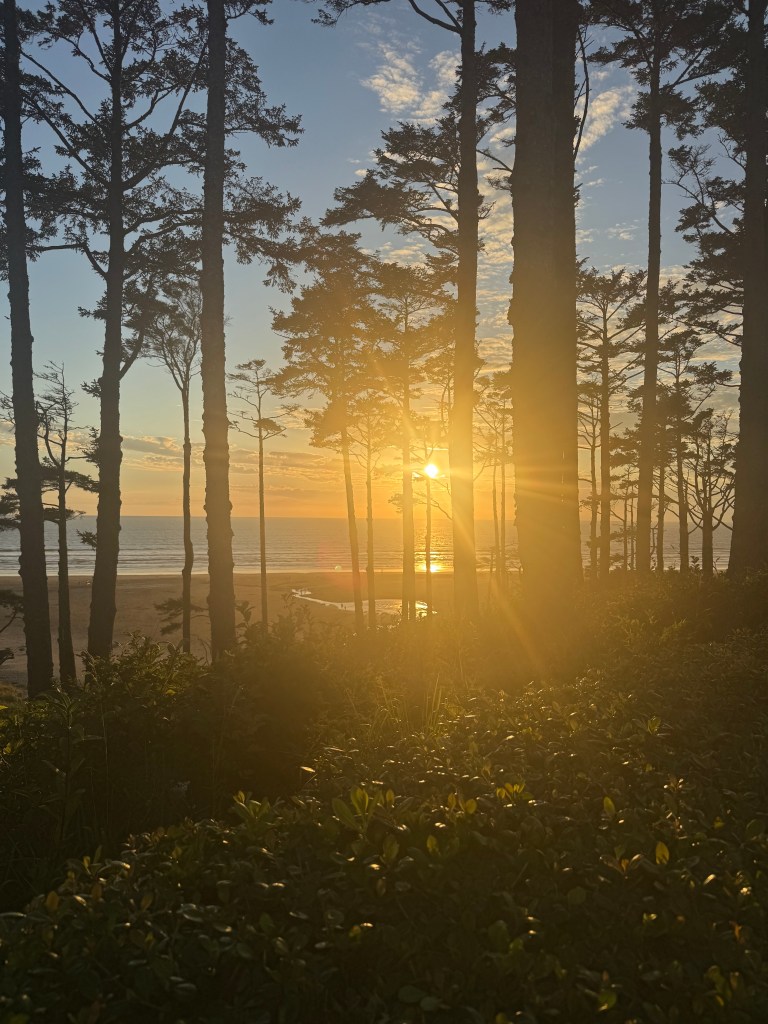
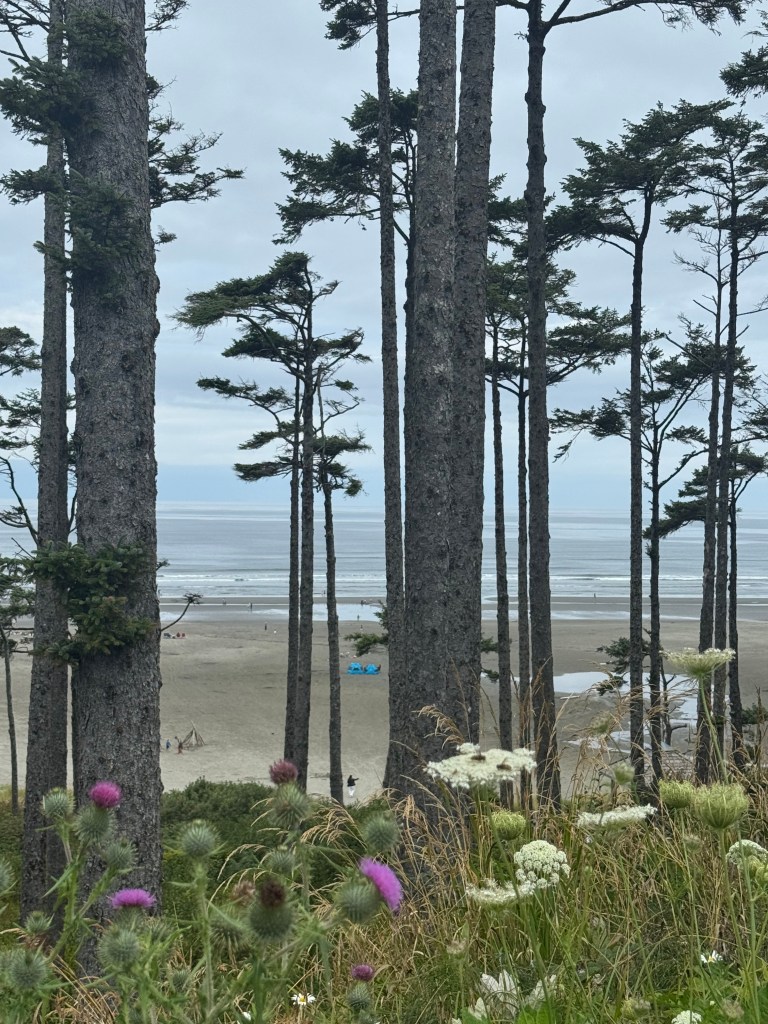
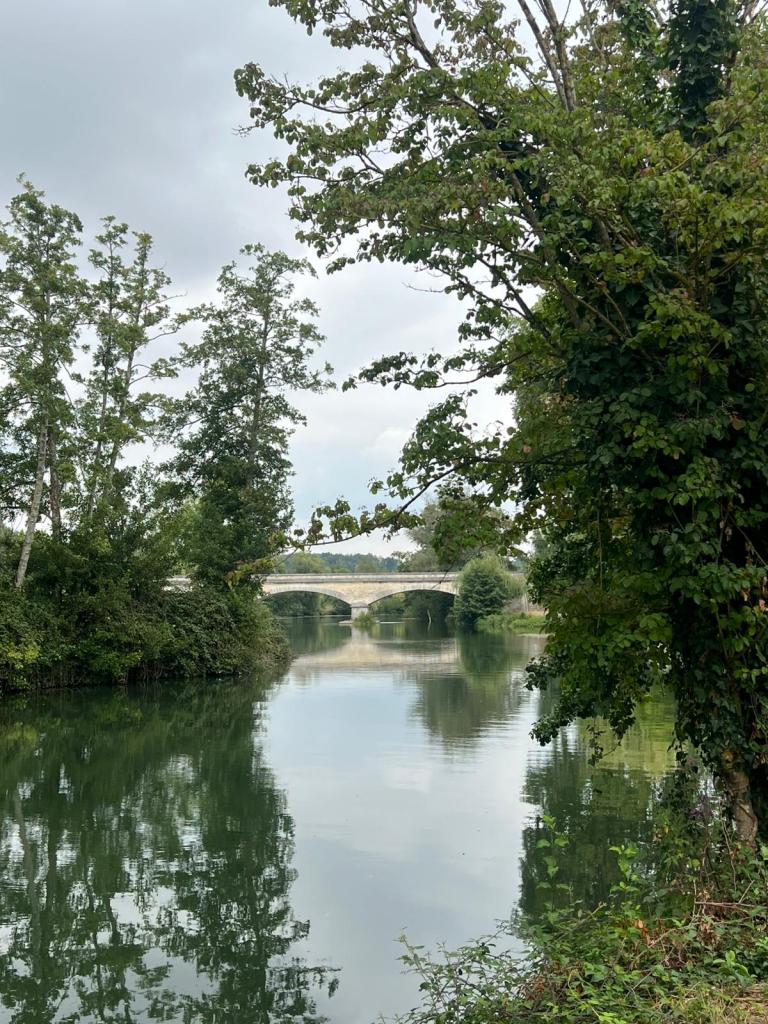
It’s true. I often run hard and fast. It’s one of my strengths—my superpower. Marathon training has honed my mental endurance, teaching me how to push forward. My stroke taught to me be authentically me and say yes to anything that fits with my meaning and purpose. Yet, as marathons have also revealed, every strength can become a weakness if left unchecked. Without rest, even speed and stamina lead to burnout. My time in Costa Rica this spring and in France this summer reminded me of the importance of slowing down—of savoring quiet exploration, sitting on a beach, or pausing beneath a magic tree. To savor is divine: to soak in the beauty around us, to honor the beauty within us.
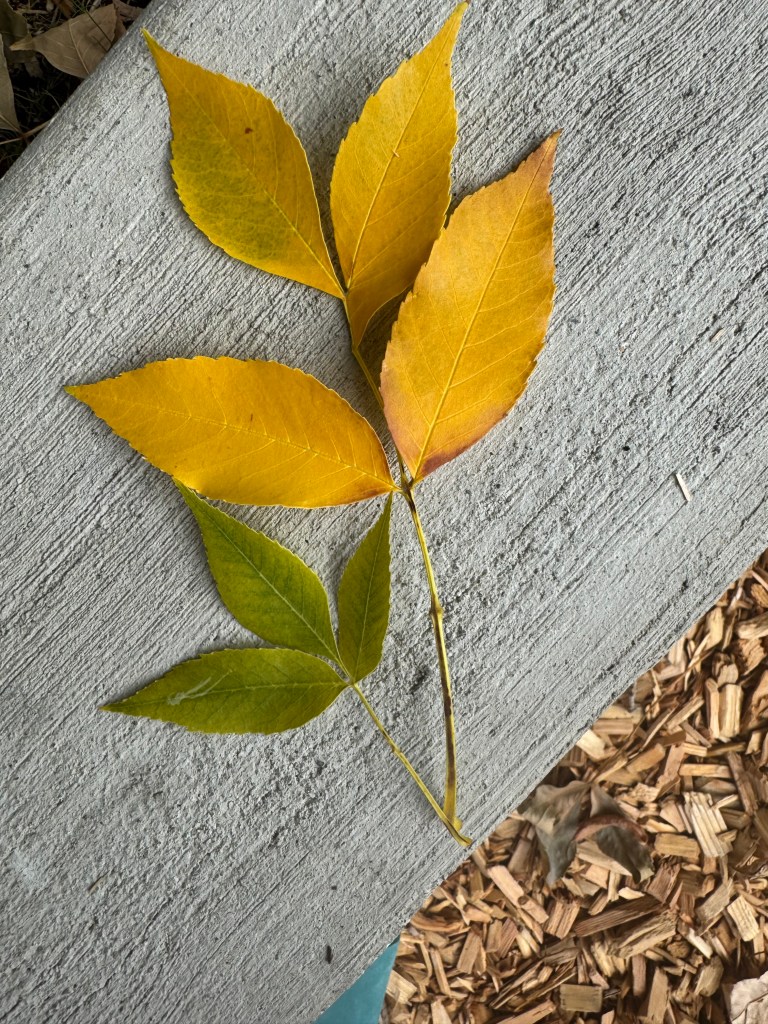
In August, I reflected on JOY and its cousins—gratitude, awe, optimism, hope, faith, love, kindness, serenity, and fun. Today, I add another cousin: savoring. Fall, with its turning leaves and crisp mornings, draws me inward, asking for reflection. At the same time, the sunshine and afternoon temperatures that fit right within my ideal window, 68-72 with a light breeze, lead me to delighting in those sweet, sunny moments of unexpected perfection. Lately, I have been gathering sparks of joy, serenity, kindness, gratitude, and awe, and giving myself permission to linger with them. Savoring is both a practice of the moment and a collection of memory.
This season is one of my favorites. Life often slows as children return to school, but this year, that has not been my experience. My kids returned, and at once I stepped into new roles—room parent, trustee, new clients, new opportunities—all arriving together. I am learning to savor that, too. Each September, I am struck by the swiftness of time: my children growing taller, school years slipping by, the earth itself spinning forward as mornings darken and the air grows sharp against my skin out on the trail for an early run. All of it reminds me: life moves fast, but the invitation remains the same—slow down, take it in, and savor.
Questions for Reflection:
What moments in your life feel worth savoring right now? How do you typically balance moving “fast and hard” with slowing down? When has one of your greatest strengths also become a weakness? How does your environment—seasons, places, or rituals—influence your ability to be present? In what ways do you practice savoring in real time, rather than only in hindsight? Which “cousins of joy” (gratitude, awe, hope, etc.) are most alive for you in this season? How do you collect and hold onto the sparks of beauty and wonder in daily life? What role does reflection play in how you remember and value your experiences? How do connections with others—through shared commonalities—remind you of what’s important? If you trusted your mind and heart to hold onto what truly matters, how might that change the way you move through your days?
Bonus Questions for Reflection, Journaling and Action:
- In what ways have I equated sacrifice or burnout with being a “good” person?
- Do I feel I need to justify or explain my joy to others? Why or why not?
- What might change in my life if I allowed myself to trust joy — even when it feels unfamiliar or fleeting?
- If joy is a source of courage and energy, what is one joyful practice I can commit to this week — not as a reward, but as a necessity?
Quote I’ve Been Pondering:
“It will be said that, while a little leisure is pleasant, men would not know how to fill their days if they had only four hours of work out of twenty-four. In so far as this is true in the modern world, it is a condemnation of our civilization; it would not have been true at any other earlier period. There was formerly a capacity for light-heartedness and play which has been to some extent inhibited by the cult of efficiency. The modern man thinks that everything ought to be done for the sake of something else, and never for its own sake.”
~ Bertrand Russel, “In Praise of Idleness,” 1932
Book I’ve Been Reading:
Do Nothing: How to Break Away from Overworking, Overdoing, and Underliving
Celeste Headlee
(Author of Bestseller, We Need to Talk)
My Key Takeaways:
I’m reading this book slowly, not skimming and rushing my way through to meet my Three Thoughts deadline. I generally like to have the book I’m featuring, finished before I offer it, but I think this one is too important to rush through, and offers an important opportunity to slow down in the act of reading it, too.
Some may say that tech is to blame for the pace at which we try to do life. Headlee points out however, with the quote I offer above from 1932, that today’s “technology didn’t create this cult; it simply added to an existing culture. For generations we have made ourselves miserable while we’ve worked feverishly. We have driven ourselves for so long, that we’ve forgotten where we are going…”
Headlee further reflects that she “realized it was not [her] circumstances that caused [her] stress but [her] habits.” She goes on to observe that we “judge our days based on how efficient they are, not how fulfilling.”
Headlee then points out, “We crave more joy and satisfaction. No matter what we achieve, no matter how many extra hours we work, we remain unfulfilled.”
This resonates to me, as I have often found myself reaching the top of the mountain, so to speak, finishing the degree, crossing a finish line, only to ask myself what is next before I even crest the summit or have the diploma in hand. As you all know, after completing the PhD, I have been allowing myself to sit in the discomfort of uncertainty, of not hopping to the next thing, intentionally. So, what are we to do? How do we reshape our habits, rewire our brain, or perhaps reset our brain back to the default setting and reload with care, the ways of being that will best serve us in the here and now? How do we get clear about the future we actually want to build and shape the future with new habits, new intentionality, new clarity and vision?
“The key to well-being,” Headlee continues, “is shared humanity, even though we are pushing further and further towards separation.”
This felt timely to me, as we struggle to build connection and bridges and suffer in more isolation. Intentionality takes slowing down and we seem to be caught on a hamster wheel, thinking that if we slow down, all will fall apart, but perhaps this is truly what we need, again, a full reset to default settings to begin again, and to remember our humanity that does connect us in a fundamental way.
Headlee also reminds us that “there are a few things that all humans can learn to do well without training: play, think, connect socially, react emotionally, count, and think about ourselves.”
What does it look like to bring intentionality to these aspects of our factory model mode? What might boredom reshape in us? What would it look like to again find time for “long conversations, hobbies, neighborhood barbecues…?”
One of Celeste’s mentors offered, when she asked if he thought we try to do too much at once, “I used to do that, and then I started making sure there was space in my calendar, enough space to allow air in so that I could breathe.”
What would shift if you intentionally gave yourself permission and time to breathe?
What Amazon has to Say:
“A welcome antidote to our toxic hustle culture of burnout.”—Arianna Huffington
“This book is so important and could truly save lives.”—Elizabeth Gilbert
“A clarion call to work smarter [and] accomplish more by doing less.”—Adam Grant
We work feverishly to make ourselves happy. So why are we so miserable?
Despite our constant search for new ways to optimize our bodies and minds for peak performance, human beings are working more instead of less, living harder not smarter, and becoming lonelier and more anxious. We strive for the absolute best in every aspect of our lives, ignoring what we do well naturally and reaching for a bar that keeps rising higher and higher. Why do we measure our time in terms of efficiency instead of meaning? Why can’t we just take a break?
In Do Nothing, award-winning journalist Celeste Headlee illuminates a new path ahead, seeking to institute a global shift in our thinking so we can stop sabotaging our well-being, put work aside, and start living instead of doing. As it turns out, we’re searching for external solutions to an internal problem. We won’t find what we’re searching for in punishing diets, productivity apps, or the latest self-improvement schemes. Yet all is not lost—we just need to learn how to take time for ourselves, without agenda or profit, and redefine what is truly worthwhile.
Pulling together threads from history, neuroscience, social science, and even paleontology, Headlee examines long-held assumptions about time use, idleness, hard work, and even our ultimate goals. Her research reveals that the habits we cling to are doing us harm; they developed recently in human history, which means they are habits that can, and must, be broken. It’s time to reverse the trend that’s making us all sadder, sicker, and less productive, and return to a way of life that allows us to thrive.



TEDTalk Connected to My Ponderings and Wanderings:
In Praise of Slowness | July 2005 | Carl Honore | TedTalk
Journalist Carl Honore believes the Western world’s emphasis on speed erodes health, productivity, and quality of life. But there’s a backlash brewing, as everyday people start putting on the brakes on their all-too-modern lives.
Honore calls our culture, the “Roadrunner culture” – and asks, “how did we get so fast?”
Carl Honore loves words: the way they appear on the page, the music they make when spoken, and their power to change the world.



~
You can sign up to receive my Three Thoughts for Thursday post as an email on the third Thursday of every month by clicking here. If you’ve missed any of my Three Thoughts, you can find them all on my blog. If you enjoyed this post, take a look at August’s Three Thoughts. You may also be interested in reading my four-part Lessons of the Run series –Endurance, Resilience, Rest, and Grit. Take a look at my latest post, “YOU are the MISSING Piece!” and stay tuned for an update to this piece, along with a recent and new 5th Lesson of the Run – Humility and Adaptability!If you are interested or know someone who may be interested, I also offer leadership and emotional intelligence coaching and workshops. You can find more information on my website, or you can use this link to set up a free 30-minute introduction to coaching session.
As I mentioned, the stroke I had in February 2018 was a pivotal event and valuable turning point in my life; you can read more in my commemorative post. Please join me in celebrating these milestones, turning points, and calls to “winter,” by taking time to celebrate your own milestones and by fully embracing the opportunities in front of you, the value in the little things, and the beauty that surrounds you in this wonderful, messy life. I will forever be grateful for my stroke and the path of integrity I found in its wake.
Over the course of the last two years, I’ve hosted a few local, in-person events here in the Seattle area, like Savor the Sweetness and the Serenity Retreat. The Serenity Retreat was another success! This relaxing and delightful even took place again June 14, 2025; learn more and see the photos below! If you are interested in such local events, please contact me for more information, with any questions, or to join the invite list for future events! Savor the Sweetness will take place again September 20, 2025 and I am excited to welcome an amazing group of women for a sound bath, connection, and pie!
I have the privilege of hosting the Emotional Intelligence Special Interest Group for ICFLA. We kicked off our 2025 explorations and learning journey on February 25th with guest Dr. J.D. Pincus of AgileBrain, who walked us through The LA Wildfires through the Lens of Emotional Needs: Coaching in Times of Loss. On Tuesday, June 24th, we both revisited ,and explored, emotional intelligence in coaching through our topic, Emotional Intelligence Foundations for Coaching and Workplace Impact, with guest Maribel Hines, MBA, SPHR, CPLP. At our session on the August 26thDr. Joan Flora led us on a journey From Reactivity to Resilience: Coaching to Soften Reactivity and Strengthen Resilience. Our last session for the year will be October 28th with ICFLA’s very own Nicole Venner who will share her experiences in working with clients in spaces of growth, discomfort, or as she calls them, ‘thresholds’ and will guide us through discussion and practices to support our own work with clients in liminal spaces. Learn more and register here!
In 2024, we had Dr. Heather Backstrom, author of Collaborative Confidence, who presented on “Using Stakeholder Mapping to Help Clients Enhance Self-Awareness.” We explored The Relevance of EI in the Workplace and Exploring and Supporting Confidence in Our Clients, with guest, Irené Turtle, Executive and Team Coach. In August, I hosted and spoke on the topic of “Decision-Making and Anxiety in the Workplace”. We closed the year on October 22nd with guest Dr. Sohee Jun, who spoke on the topic of How to Be” vs. “Who We Are”: Confidence and Authenticity in the Workplace. If these sorts of topics intrigue you, please come join us! You do not need to be a coach or a member of ICFLA to attend these sessions. Please join me for our remaining session in 2025, taking place October!
I have also joined forces with James Garrett at BrainByDesign, where I have had the distinct privilege of working with colleagues, Paula Miles and Sandra Clifton, to support aspiring female leaders in the workshop series, The Brain Science Advantage for Women Leaders. This 8-week course takes a deep dive into the brain science of habits, productivity, fear and happiness, and includes 8 live sessions with James, Paula, Sandra and me where we dive even deeper into related issues specifically relevant to women. Check it out and join us as we begin a new journey in September! Also check out the latest work at BrainByDesign – The Confidence Challenge and The Confident Finisher Program – and leverage neuroscience to overcome the roadblocks in your brain to achieve your most important goals!
If you are interested in joining and co-creating these learning communities, please use the links above to learn more about ICFLA’s Emotional Intelligence Special Interest Group, BrainByDesign, and the Women’s Events. I hope you will come along for the journey!
I’m always looking for new inspiration, new books to read, and new podcasts to listen to, so please send your suggestions my way or comment on this post to offer some new recommendations! As always, thank you for your continued support and readership! Stay strong, stay brave, stay true to you!
Wishing you a season of savoring, of slowing down, reflecting, and doing nothing! Thank you for being a part of my journey!


 Desiree Briel Rodi Consulting & Coaching
[…] you can find them all on my blog. If you enjoyed this post, take a look at September’s Three Thoughts. You may also be interested in reading my four-part Lessons of the Run series […]
LikeLike