


~ Weeding, Watering, and the Gift of the Fog ~
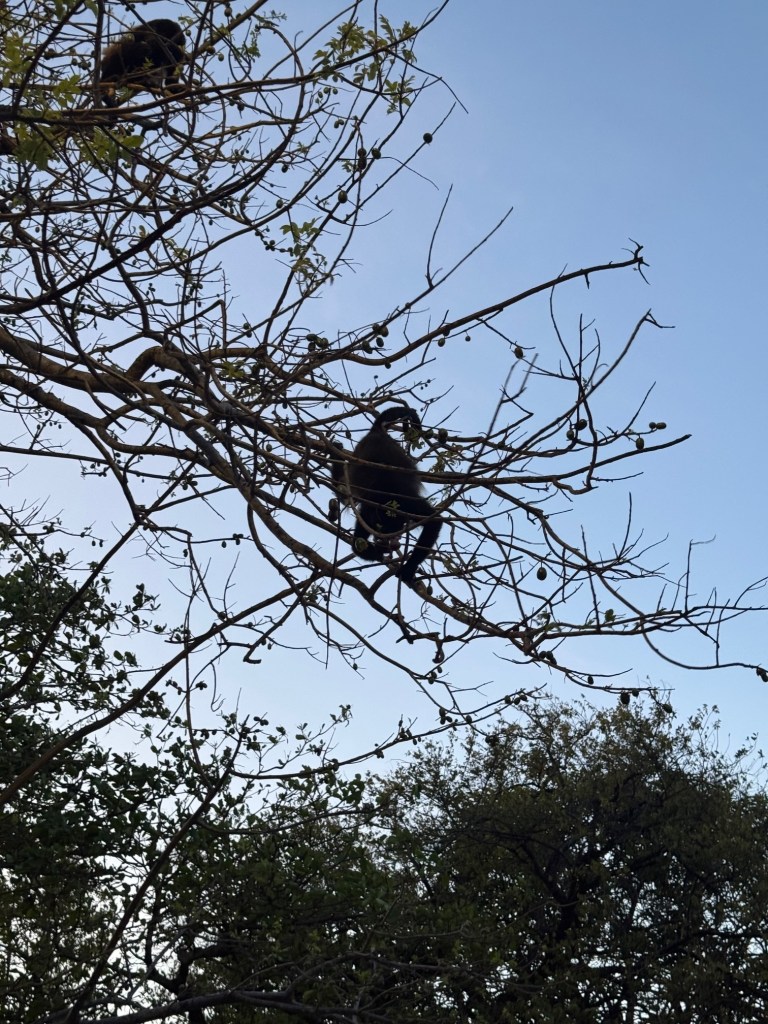
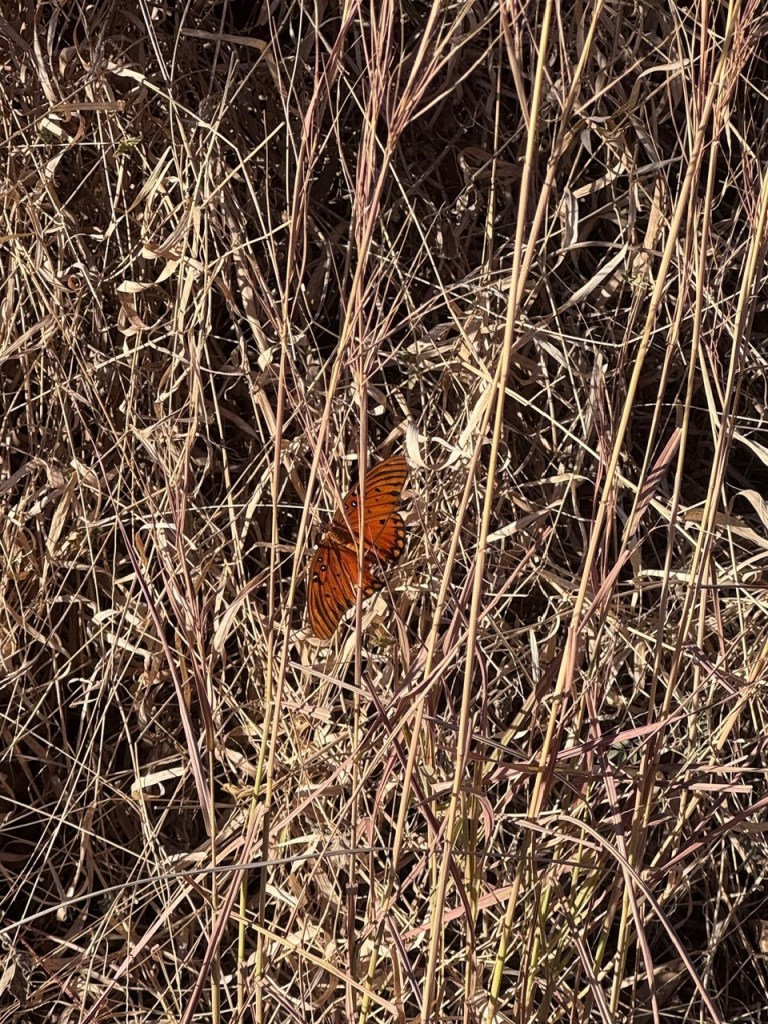
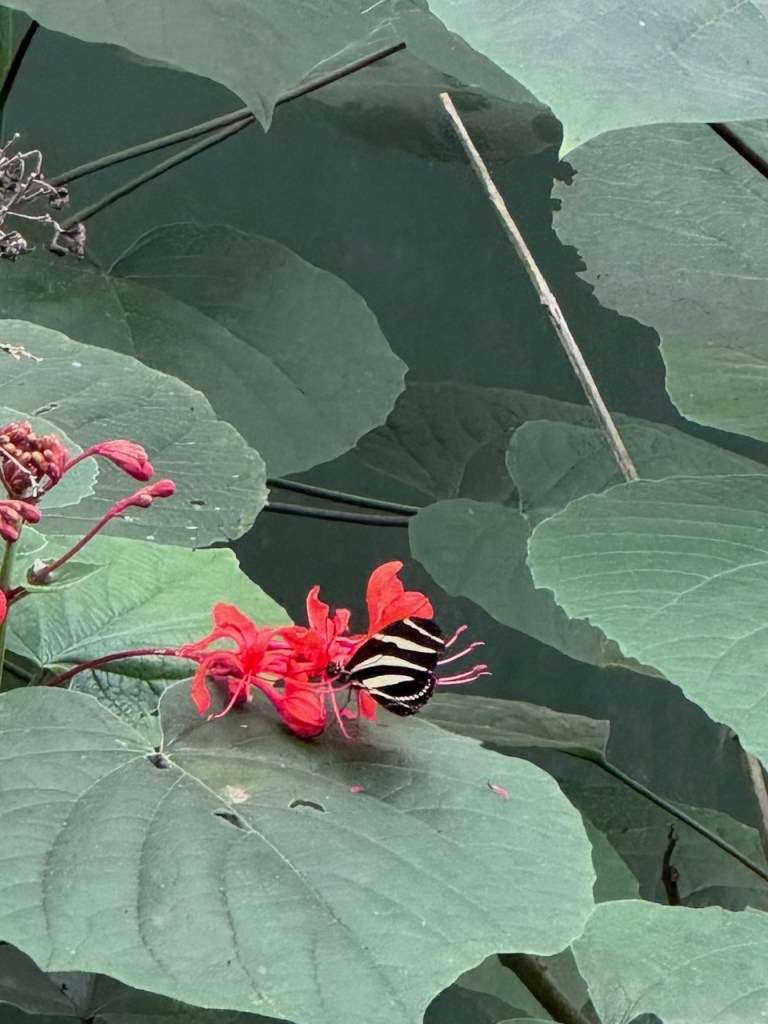
I’ve been continuing to reflect on what needs to be weeded out to make room for what I want to intentionally grow. April is often thought of as a month of rain—the kind that nourishes and brings life. But rain doesn’t discriminate. It waters everything. The plants we want… and the weeds we don’t.
I have also been noticing the “weeds” I allow to grow in my own inner landscape, and more importantly, the thought patterns that water them. The quiet, habitual ways anxiety, doubt, or urgency take root and flourish if left unattended. Growth, it seems, is not just about what we plant, but what we choose to gently, consistently remove.
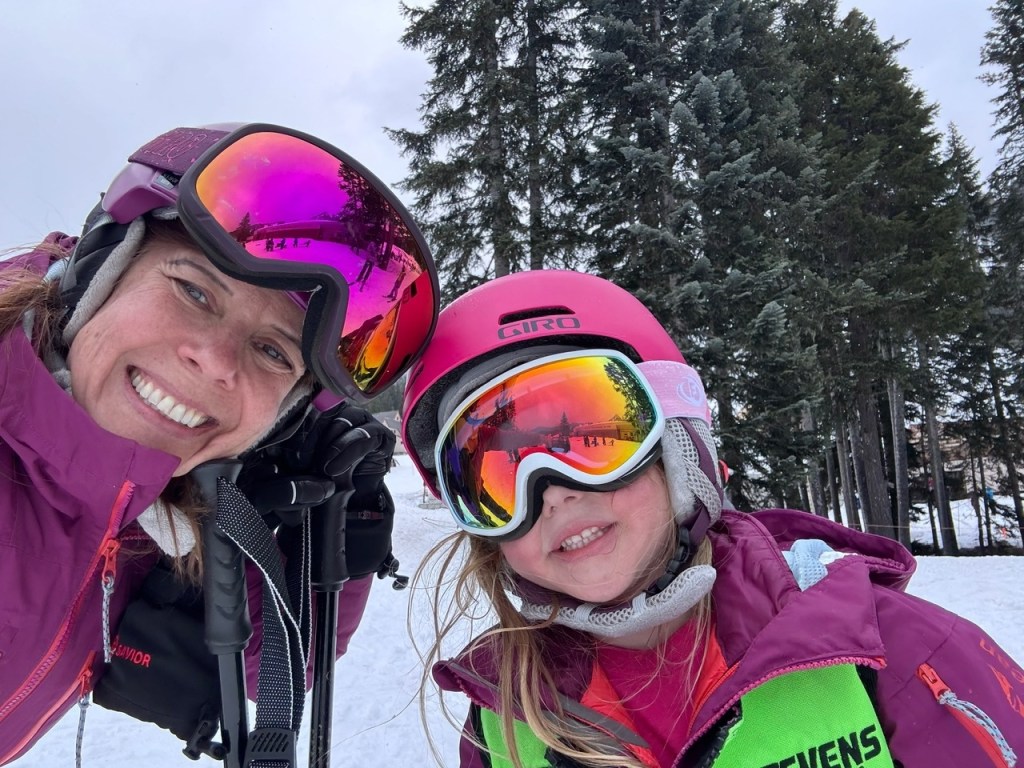
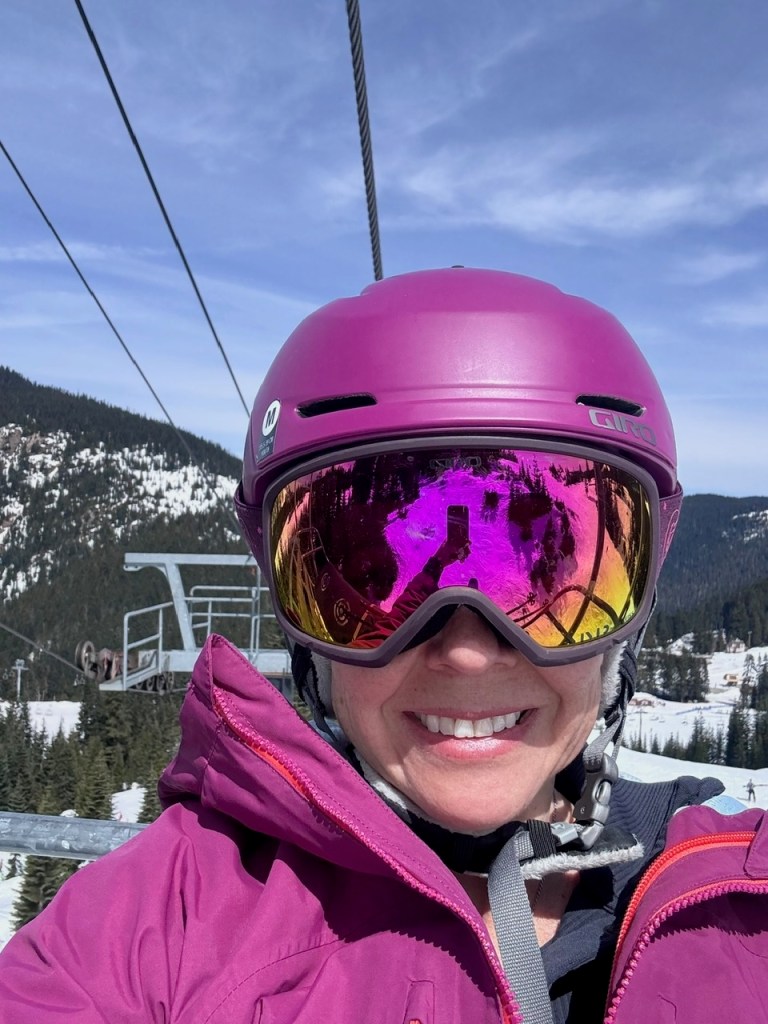
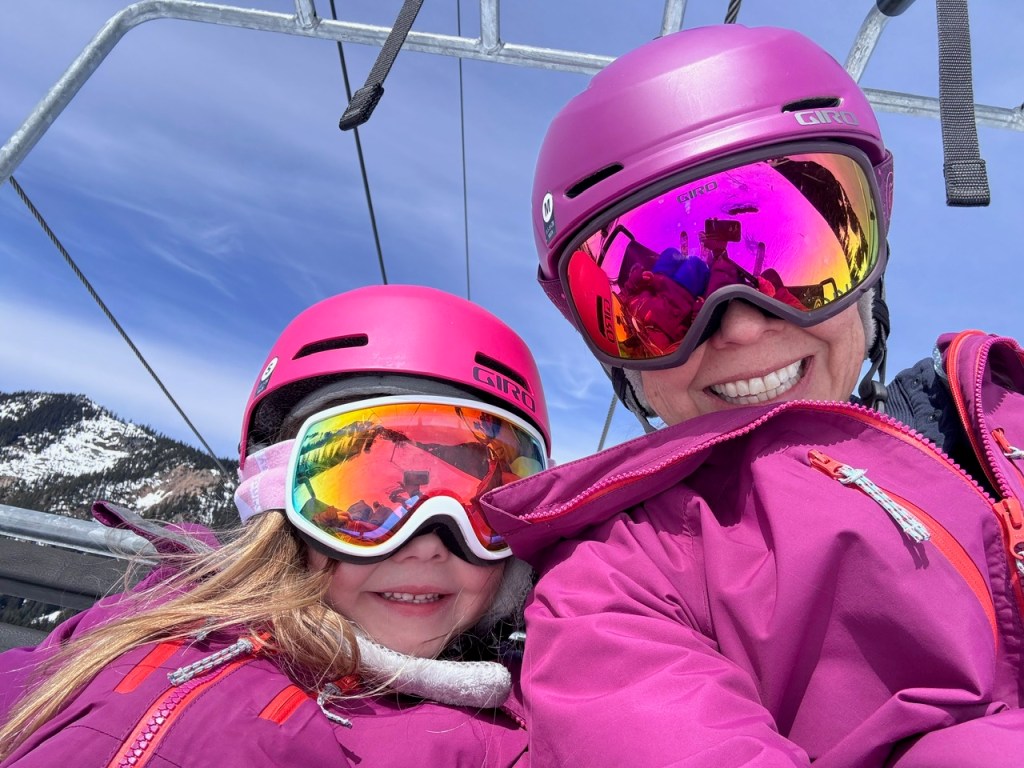
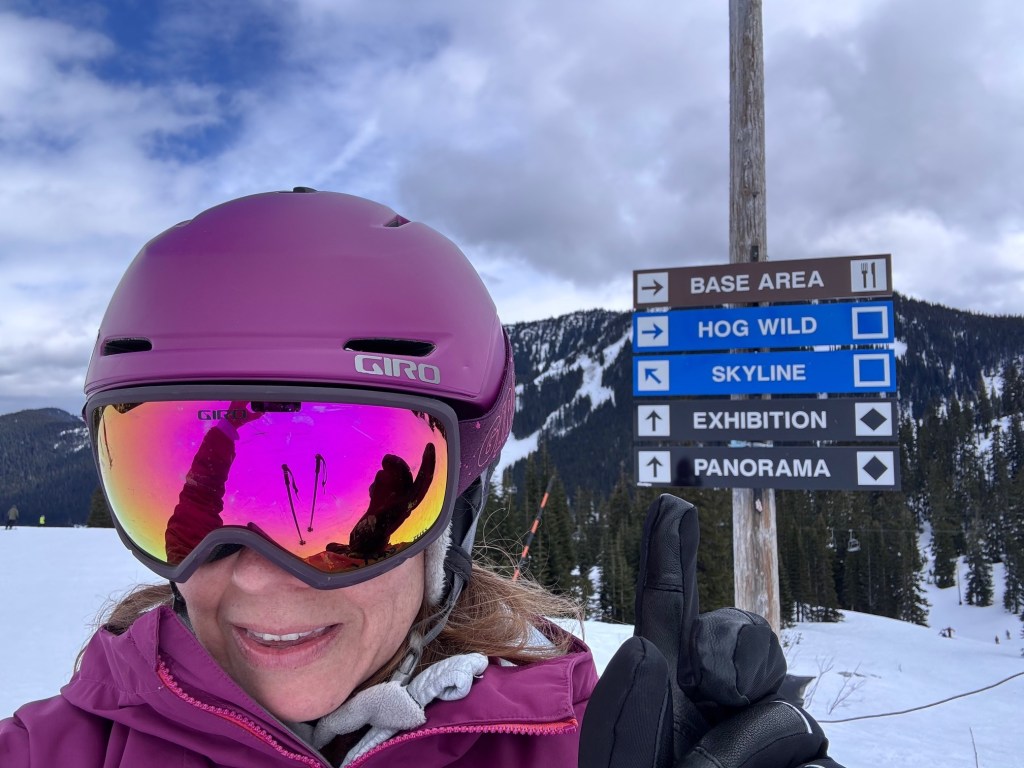
As ski season came to a close, I found myself skiing several times in the fog. Fog on the mountain can stir anxiety—especially when we’re used to orienting ourselves by the view of the bottom, the destination, the full path ahead. Anxiety, after all, is fear projected into a future we cannot clearly see. But in the fog, something shifted.
As I allowed myself to feel the anxiety and get curious about what was underneath it, I began to notice something unexpected: the gift of presence. My visibility narrowed to just a few feet ahead, and with it, my focus sharpened. I paid closer attention to the texture of the snow, the subtle shifts beneath me, the rhythm of each turn. I trusted that I had skied these paths before—that I had the capacity to navigate what was in front of me, even if I couldn’t see the entire way down.
What first felt disorienting became, in many ways, freeing. It wasn’t confidence born from certainty about the future. It was confidence rooted in trust, in my ability to meet the moment I was in, and my ability to face the fog and make it safely to the bottom, slowly perhaps, but surely. The fog didn’t remove the unknown; it simply invited me to stop trying to control it.
All I needed to do was recognize the anxiety, allow myself to feel it, and then choose how to relate to it, to see the fog not as an obstacle, but as a teacher, and to lean into my capacity rather than my fear. In doing so, in feeling, leaning into, and accepting, the anxiety softened. I stopped trying to control my arrival at the bottom of the mountain and instead focused on what was mine to navigate – this turn, this breath, this moment.
Perhaps the work is not just in weeding out what no longer serves us, but also in noticing what we are watering, and learning when to trust that what we’ve already grown within ourselves is enough to carry us forward. I’ve been embracing opportunities to step out of my comfort zone, try new things, and stare fear and anxiety in the face, after all practice builds habits and habits create who we become.
Reflective Questions ~
Inward: Insight & Awareness
1. Where in your life right now are “weeds” quietly growing?
2. What thought patterns or habits might be unintentionally watering them?
3. When you feel anxiety, what future-focused story are you telling yourself?
4. What skills, strengths, or experiences have you already cultivated that you may be underestimating?
Integrate: Intention & Choice
5. What would it look like to align your pace with what you can actually see and know right now?
6. How might you respond differently to anxiety if you viewed it as information rather than a problem to solve?
7. What are you trying to control that may not be yours to control in this moment?
8. What is one small, intentional step that is clearly available to you right now?
Impact: Living & Leading
9. How might greater presence change the way you make decisions this week?
10. Where could trusting yourself more reduce the urgency to “figure everything out”?
11. What would it mean to navigate this season skillfully, rather than perfectly?
12. If this “foggy” moment is teaching you something, what might it be inviting you to learn?
Quote(s) I’m pondering:
“You don’t have to control your thoughts. You just have to stop letting them control you.”
— Dan Millman
“Our anxiety does not come from thinking about the future, but from wanting to control it.”
— Kahlil Gibran



Podcasts I Listened To:
Manager Anxiety When It’s Your Daily Companion | Alice Boyes | Episode #304 | March 19, 2026
The Anxious Achiever | Morra Aarons-Mele
Is your anxiety something you need to eliminate or something you need to understand better? In this episode, I talk with psychologist Alice Boyes about the everyday patterns that can make anxiety worse. Alice shares why trying to control anxiety often backfires and how common traps like perfectionism, rumination, avoidance, and impulsive decision-making keep anxious high achievers stuck. We also break down ways to create distance from anxious thoughts, handle feedback without spiraling, and make better decisions. Tune in to learn how to work with your anxiety instead of constantly fighting it.
My notes:
Perfectionism response – more perfect and in control, backup plans
Rumination and overthinking – doesn’t often result in new ideas or creativity
Avoidance – causes interpersonal issues, as well
Other Signs of Anxiety – Anger and Resentment
If you don’t want to tolerate uncertainty, look for patterns…Achilles heel, recognize what your brain is doing and how it is trying to help, but doesn’t always take a helpful approach, or bring awareness to what is happening to act with intention.
“Board of Directors” – have other people who think differently and can offer new perspectives
Self-awareness is important – goal is to see how anxiety is impacting your decisions and to stop letting it control you behind the scenes
Break the Anxiety Habit with Dr. Jud Brewer and Charles Duhigg | Episode #310 | April 9, 2026
What if your anxiety isn’t just something you feel, but something you’ve been practicing? In this episode, I talk with psychiatrist Dr. Jud Brewer and Charles Duhigg about the science behind why anxiety sticks, how your brain confuses worrying with problem-solving, and why willpower alone isn’t enough to change your patterns. We break down how anxiety can become a habit loop and why so many high achievers unknowingly reinforce it through overwork, worry, and constant mental effort. Tune in to learn how to replace unhelpful patterns with ones that actually support your focus, energy, and mental health.
My notes:
As a life-long learner and coach, I have embraced and practice what neuroscience has to offer us about habits, neuroplasticity, and rewiring the brain to promote the habits that support me in the person I am working to become. The idea that anxiety is a habit, spoke to me and made it something tangible to overcome with some reframing and adjustments to the neural pathways already there. In my blog post, The Gift of the Fog, I ponder these ideas of embracing and reframing anxiety to create presence and confidence, and in my LinkedIn series, I further explore the gifts of the fog, uncertainty, and threshold spaces.
Insights that stood out from Dr. Jud Brewer –
- Anxiety causes worry and worry shuts down our creativity but occasionally we come up with an idea or solution so we “learn” that worry is helpful.
- The term and concept – False causal connection – the “anxiety habit loop” or more specifically, the “false sense of control.”
Brewer argues that our brains create a false causal connection, assuming that because we worry, we are preparing for or controlling the future. He explains this with the following habit loop:
- Trigger – Uncertainty or challenging situation
- Behavior – worrying
- Reward – the false sense of control or the feeling that worrying is taking action, and is productive
- Correlation vs. Causation: Brewer emphasizes that correlation does not equal causation when it comes to worrying and solving problems.
- No evidence of Helpfulness: He points out that worry rarely helps; it actually makes it harder to think creatively or plan effectively
- Habit Loop: Because the brain gets a momentary feeling of control (the false reward) it keeps repeating the habit, leading to more anxiety rather than solutions.
- Curiosity is how we get to courage
Insights that stood out from Charles Duhigg –
- Use neural pathways that exist to make change easier – reframe and leverage what you’ve got
- Burnout comes from overusing willpower muscle
- “Suffering comes from unmet expectations” (Richard Rohr) so adjust expectations
- Habits can come from adjusting expectations
- We can build habits to make overcoming anxiety and reframing easier
If you found these episodes enlightening, check out this one, A Mad Scientist’s Guide to Happiness: Arthur Brooks on Anxiety and Meaning.



Book I’m Reading:
Unwinding Anxiety: New Science Shows How to Break the Cycles of Worry and Fear to Heal Your Mind by Judson Brewer, MD PhD
What Amazon has to Say:
New York Times and Wall Street Journal bestseller
A step-by-step plan clinically proven to break the cycle of worry and fear that drives anxiety and addictive habits
We are living through one of the most anxious periods any of us can remember. Whether facing issues as public as a pandemic or as personal as having kids at home and fighting the urge to reach for the wine bottle every night, we are feeling overwhelmed and out of control. But in this timely book, Judson Brewer explains how to uproot anxiety at its source using brain-based techniques and small hacks accessible to anyone.
We think of anxiety as everything from mild unease to full-blown panic. But it’s also what drives the addictive behaviors and bad habits we use to cope (e.g. stress eating, procrastination, doom scrolling and social media). Plus, anxiety lives in a part of the brain that resists rational thought. So we get stuck in anxiety habit loops that we can’t think our way out of or use willpower to overcome. Dr. Brewer teaches us to map our brains to discover our triggers, defuse them with the simple but powerful practice of curiosity, and to train our brains using mindfulness and other practices that his lab has proven can work.
Distilling more than 20 years of research and hands-on work with thousands of patients, including Olympic athletes and coaches, and leaders in government and business, Dr. Brewer has created a clear, solution-oriented program that anyone can use to feel better – no matter how anxious they feel.
My Thoughts:
Unwinding Anxiety: Understanding the Spin –
Anxiety has been steadily rising over the years. According to the American Psychological Association, top drivers include concerns about health and safety, finances, politics, and relationships, areas that carry both personal and collective uncertainty (2017, APA study on “Stress in America”).
At a neurological level, anxiety is deeply tied to how our brain tries to protect us. The prefrontal cortex (PFC), often called the “thinking brain,” is responsible for planning, creativity, and predicting the future based on past experience. It is designed to help us anticipate what’s next and choose wise action, but the PFC depends on accurate information.
When information is incomplete or uncertain, the brain doesn’t pause, it fills in the gaps. It begins to generate multiple scenarios, running “what if” loops in an effort to prepare and protect us. In this way, anxiety is often born not from what is, but from what we cannot yet know. The mind starts to spin stories of potential danger, and uncertainty fuels that spinning.
Fear, in its pure form, is adaptive. It helps us respond to real, immediate threats and learn from past experiences. Anxiety, however, is fear extended into the future without sufficient grounding. It becomes maladaptive when the brain continues to plan and predict in the absence of clarity, creating loops that amplify rather than resolve our sense of threat.
We can understand this through time scales (17):
- Immediate (milliseconds): A reflexive survival response – moving out of harm’s way.
- Acute (seconds to minutes): A learning response – processing what happened and how to avoid it in the future.
- Chronic (months to years): Anxiety – when uncertainty persists, and the mind struggles to turn off the loop of anticipation and worry.
In today’s world, this is compounded. We often have an overwhelming amount of information but limited direct experience. The brain tries to reconcile the two, and in doing so, it can accelerate its predictions, faster and faster, without resolution. It begins to blur the line between planning and spinning.
Eventually, the system overloads. The PFC goes offline, and the amygdala (the brain’s threat detection center) takes over, triggering fight, flight, or freeze responses. What began as an attempt to think our way to safety becomes a physiological experience of danger.
Each uncertain data point can prompt the brain to generate more “what if” scenarios. Over time, these patterns can become encoded, making it easier for the mind to return to spinning, even when it isn’t helpful. Anxiety becomes a habit.
This is why mental hygiene matters. Just as we care for our physical health, we need practices (habits) that support the health of our thinking and emotional systems. Without intention, anxiety can become something we inadvertently “water” through our habits of attention and interpretation.
The good news is that the brain is also capable of rewiring. While anxiety may begin with fear, it requires reinforcement to persist. By becoming more aware of our patterns and habits, and intentionally cultivating different responses, we can begin to interrupt the cycle.
Unwinding anxiety is not about eliminating fear. Confronting and transforming anxiety is about learning when to trust it, when to question it, how to return to the present moment where clarity, choice, and grounded action become possible again. Habits hold the key to taking charge and creating patterns that better serve our thinking and mental well-being.
Reflective Questions that came up for me…
- When you feel anxiety rising, what uncertainty might your mind be trying to resolve?
- How do you notice the difference between planning and spinning in your own thinking?
- What kinds of information (or lack of information) tend to accelerate your “what if” loops?
- When have you trusted your ability to navigate uncertainty rather than needing to predict it?
- What practices help you return to the present when your mind moves too far into the future?


~
You can sign up to receive my Three Thoughts for Thursday post as an email on the third Thursday of every month by clicking here. If you’ve missed any of my Three Thoughts, you can find them all on my blog. If you enjoyed this post, take a look at my recap of 2025 in December’s Three Thoughts, and March’s Three Thoughts for Thursday. You may also be interested in reading some of my other recent blog posts like the four-part Lessons of the Run series –Endurance, Resilience, Rest, and Grit. Take a look at my latest post, The Gift of the Fog, and “YOU are the MISSING Piece!”
If you are interested or know someone who may be interested, I also offer leadership and emotional intelligence coaching and workshops. You can find more information on my website, or you can use this link to set up a free 30-minute introduction to coaching session.
As I mentioned, the stroke I had in February 2018 was a pivotal event and valuable turning point in my life; you can read more in my commemorative post. Please join me in celebrating these milestones, turning points, and calls to “winter,” by taking time to celebrate your own milestones and by fully embracing the opportunities in front of you, the value in the little things, and the beauty that surrounds you in this wonderful, messy life. I will forever be grateful for my stroke and the path of integrity I found in its wake.
I have partnered with my fellow Education and Coaching colleague, Dr. Joan Flora, to offer a new experience we are calling The Empathy & Attunement Studio. This new endeavor seeks to create space to take emotions and experiences to the “studio” to build and practice new tools and create new outcomes in emotionally charged conversations and relationships. This space explores emotions and their purpose, the information they hold about our human needs, and how we can learn to respond with intention and integrity instead of reacting and regretting. We are offering monthly Open Houses and Studio Practice Space where you can learn more and dive into creating new outcomes.
Over the course of the last two years, I’ve hosted a few local, in-person events here in the Seattle area, like Savor the Sweetness and the Serenity Retreat. The Serenity Retreat was another success! This relaxing and delightful event took place again June 14, 2025; learn more! Savor the Sweetness took place again September 20, 2025, and was also divine! I’m excited to play more in these spaces of creating opportunities for connection and reflection If you are interested in such local events, please contact me with any questions, or to join the invite list for future events!
I have the privilege of hosting the Emotional Intelligence Special Interest Group for ICFLA. We kicked off our 2025 explorations and learning journey on February 25th with guest Dr. J.D. Pincus of AgileBrain, who walked us through The LA Wildfires through the Lens of Emotional Needs: Coaching in Times of Loss. On Tuesday, June 24th, we both revisited and explored emotional intelligence in coaching through our topic, Emotional Intelligence Foundations for Coaching and Workplace Impact, with guest Maribel Hines, MBA, SPHR, CPLP. Maribel offered her insights, wisdom, and perspective through her in-house leadership and coaching and EQ practitioner lens. It was a great session as we translated theory and emotional intelligence into action and impact! Our August 26th session with Dr. Joan Flora focused on From Reactivity to Resilience: Coaching to Soften Reactivity and Strengthen Resilience. Our final session for the year was on Tuesday, October 28th, with guest speaker, Nicole Venner, who created space to explore, discuss, and practice ways of holding space for Emotional Intelligence in Threshold Spaces.
Please consider joining us for the ICFLA EI SIG in 2026! We began the 2026 series on February 24th with Re-grounding Coaching in Emotional Intelligence: Foundations That Deepen Presence, Insight, and Impact. In April, Elena Sarango-Muniz will be joining us to share on the topic of The Art of Approachability – Build Bridges, Create Connections, Unlock Possibilities. Please join us April 28th by registering here.
If you are interested in joining and co-creating these learning communities, please use the links above to learn more about ICFLA’s Emotional Intelligence Special Interest Group, BrainByDesign, and the Women’s Events. I hope you will come along for the journey!
I’m always looking for new inspiration, new books to read, and new podcasts to listen to, so please send your suggestions my way or comment on this post to offer some new recommendations!
As always, thank you for your continued support and readership! Stay strong, stay brave, stay true to you!
Wishing you a season filled with adventure, presence, confidence, faith and trust that whatever may come, you will have what it takes to navigate and the resources to thrive! May you embrace opportunities to face fear and say “no” to anxiety! Thank you for being part of my journey.


[…] this post, take a look at my recap of 2025 in December’s Three Thoughts and April’s Three Thoughts for Thursday. Also, take a look at my posts that featured other books on this topic of staying in your own […]
LikeLike