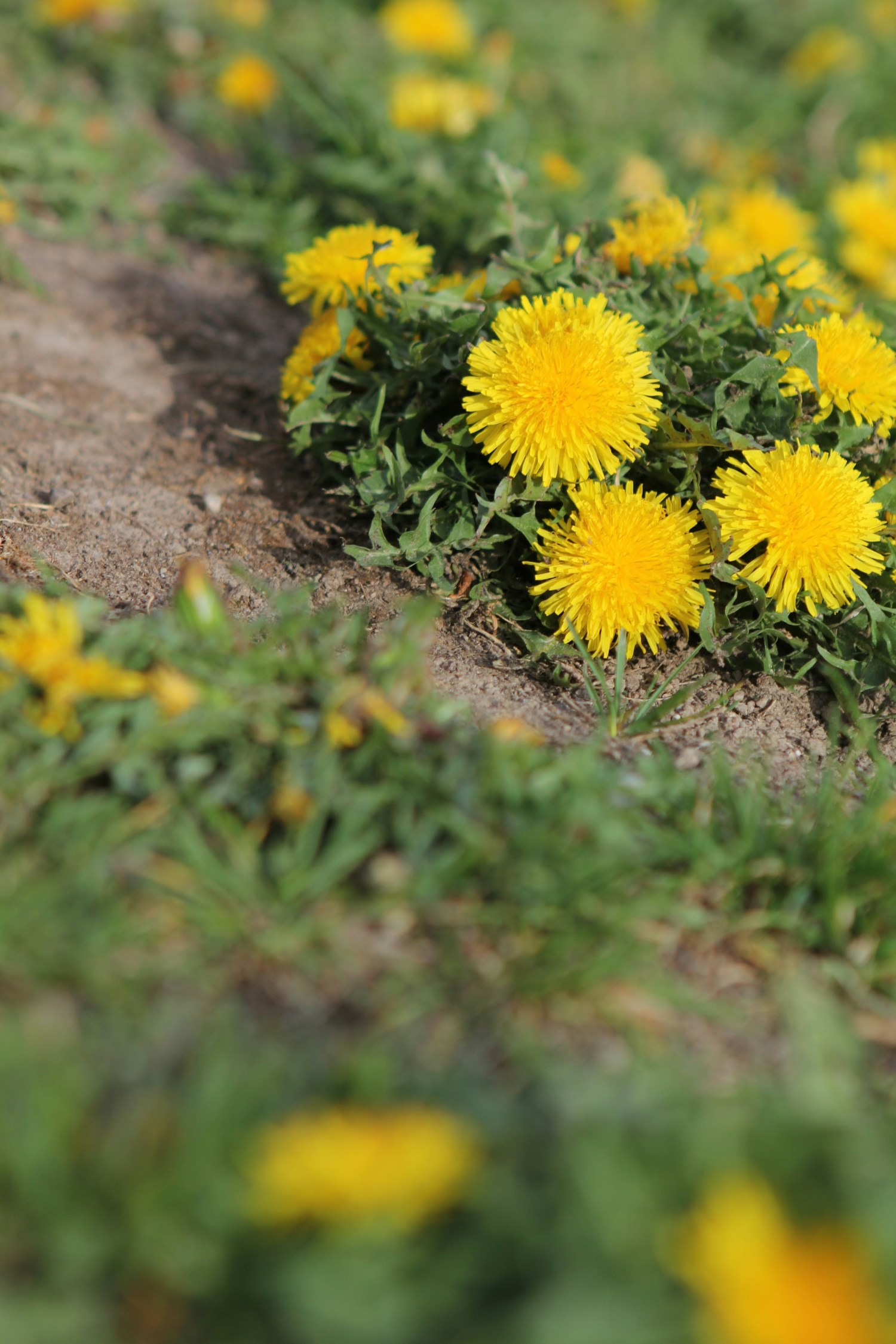

~ Weeding Season ~
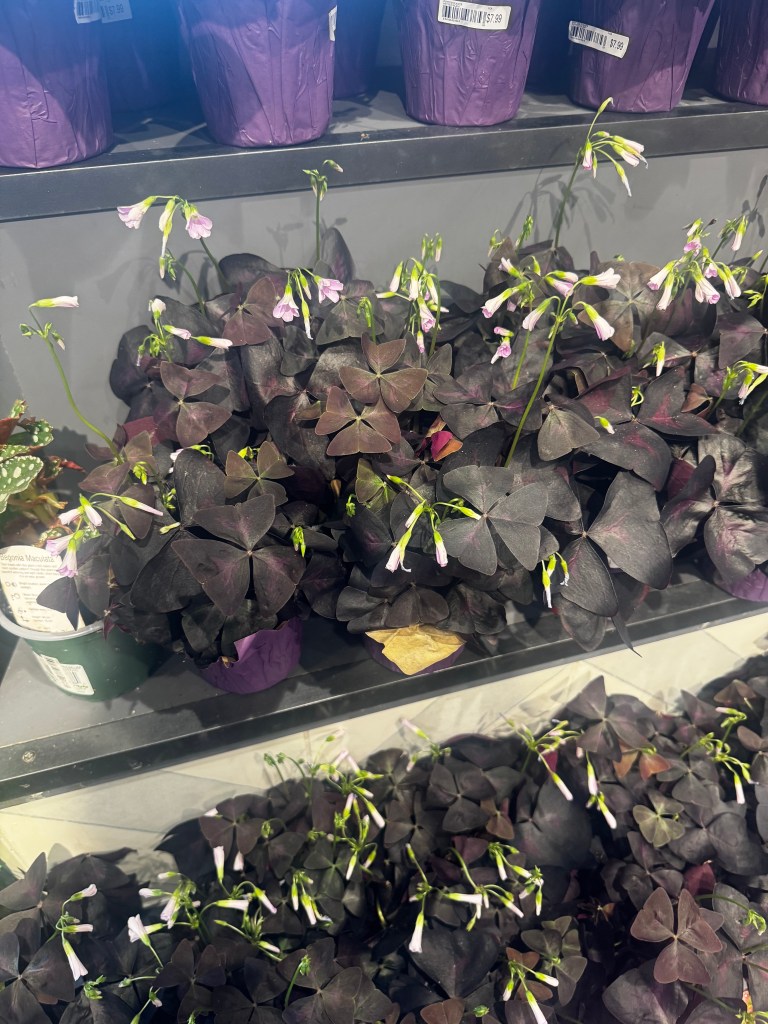
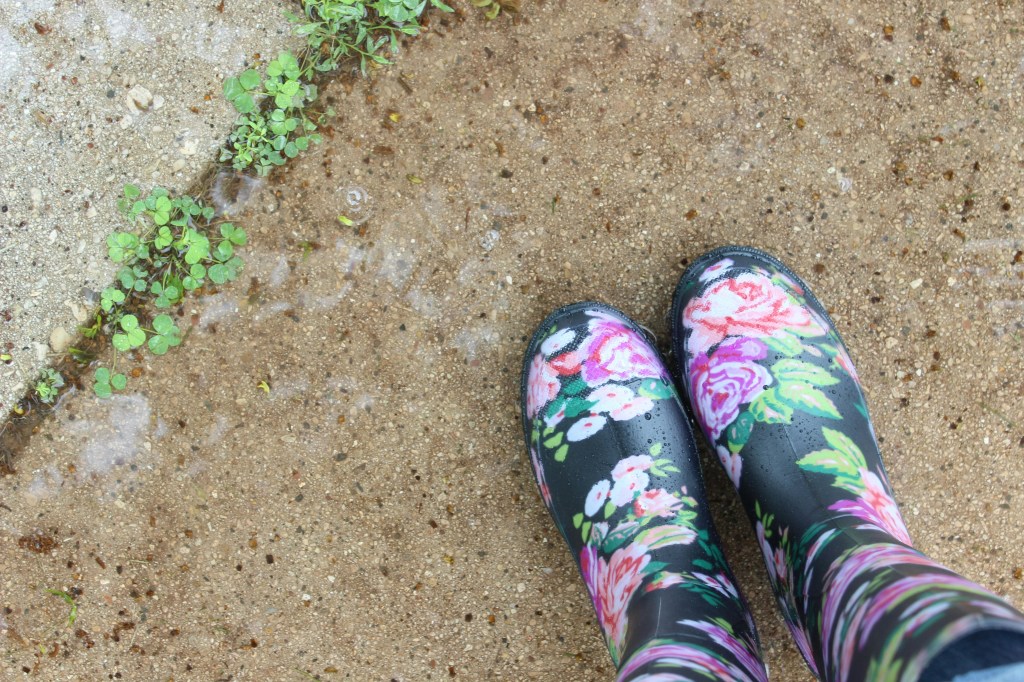
To grow something beautiful, you must make space by clearing the weeds and readying the soil.
This time of year, I can’t help myself. It must be something ancestral (my great grandparents were farmers, my grandmother always had a large garden and an orchard), a pull toward the soil, toward digging in the dirt, toward imagining what wants to grow next. As I begin to plan my garden beds, I notice that I’m also, inevitably, planning what new things I want to plant and grown in my life. What do I want to plant this season? What do I want to cultivate, tend, and eventually harvest, both literally and metaphorically?
Gardening, for me, has become a powerful metaphor for growth. Before anything can be planted, there is preparation. The space must be cleared, designing with intention, and most importantly, the soil must be prepped, because what we grow is only ever as healthy as the environment that sustains it.
If I extend this metaphor inward, my “soil” is the environment of my life – my internal dialogue, my beliefs, my habits, and the relationships I nurture. And just like any garden, this soil requires attention. It requires care. It requires discernment and intentionality. Just like a literal garden, I must create and prepare the space. Weeding becomes essential.
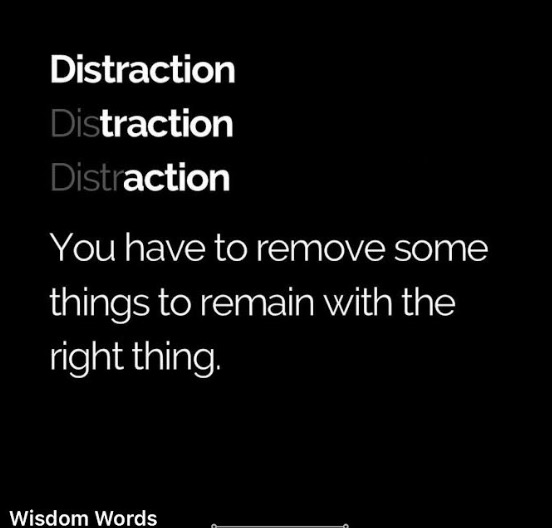
The weeds in my life are not inherently bad; they are simply misaligned with what I’m trying to grow. Even plants I grew last season that may have thrived, sometimes die and need to be cleared, or don’t fit with the design I envision for this next season of growing. These figurative plants that need to be removed are the habits that no longer serve me, the thought patterns that limit possibility, the quiet but persistent inner voices that pull me away from who I am becoming. They are also the relationships or dynamics that deplete rather than nourish. Left unattended, these aspects and relationships take up space, resources, and light. So this season, as I prepare to plan what I will grow, I am asking myself this question: what needs to be gently and intentionally removed?
At the same time, I’m paying closer attention to what I need to add to the soil. Growth is not just about removal; it is about enrichment. Supporting growth is about introducing new nutrients – supportive beliefs, aligned habits, and environments that foster thriving.
Last year, I experimented with intentional joy and I learned something important: joy is not a byproduct of a well-lived life, joy is a prerequisite, a necessity. I have begun to think of joy as a daily vitamin. Something to be experienced, or “taken,” consistently, not occasionally. And not just joy, but its companions – awe, interest, serenity, gratitude, love – are important. These are not luxuries; they are nutrients vital to our well-being and capacity for growth and change. They enrich the soil of our lives and expand our ability to grow.
As I step into this new growing season, I feel more grounded and intentional, more attuned to the conditions that support my growth. I am thinking in terms of soil, sunlight, and water, and the conditions for growth that I can control. What sustains me? What energizes me? What allows me to root and rise?
I also recognize that no two seasons are the same. Each year brings different weather, different conditions, different needs. What worked before may not be what is needed now. Growth asks for adaptability as much as intention. So this month, as I prepare my garden, I will begin with reflection.
What has brought me here?
What am I carrying that no longer belongs in this next season?
What needs to be released before something new can take root?
I will begin with the weeding, gently identifying and reframing the beliefs and habits that are no longer aligned. And then, with space cleared and soil nourished, I will begin to plant the garden I have designed, the growth I desire, because growth, like gardening, is not accidental. It is intentional. It is seasonal. And it begins with what we choose to tend, with our thoughts and our actions.
Questions for Consideration:
Insight & Intuition
- What thoughts, beliefs, or habits am I currently holding that may be limiting my growth?
- When I imagine the life I want to cultivate, what emotions arise — excitement, fear, doubt, possibility?
- What “weeds” show up most consistently in my internal dialogue?
- Which relationships in my life feel nourishing, and which feel depleting? What is that telling me?
- How do the environments I’m in (work, home, community) impact my ability to grow?
Integrate with Intention & Integrity
- What is one habit or belief I am ready to gently release this season?
- How can I intentionally introduce more “nutrients” (joy, rest, curiosity, connection) into my daily life?
- What does “tending my soil” look like in practice — what routines or boundaries support me?
IMPACT
- Where might I need to communicate a boundary, ask for support, or shift how I engage with others to better support my growth?
- How can I contribute to creating “healthy soil” for others — fostering environments of encouragement, possibility, and care?



Quote(s) I’ve Been Pondering:
“Live as if you were living already for the second time and as if you had acted the first time as wrongly as you are about to act now!”
~ Viktor Frankl ~
Book I’m reading:
The Places that Scare You: A Guide to Fearlessness in Difficult Times
by Pema Chodron
My Thoughts and Takeaways:
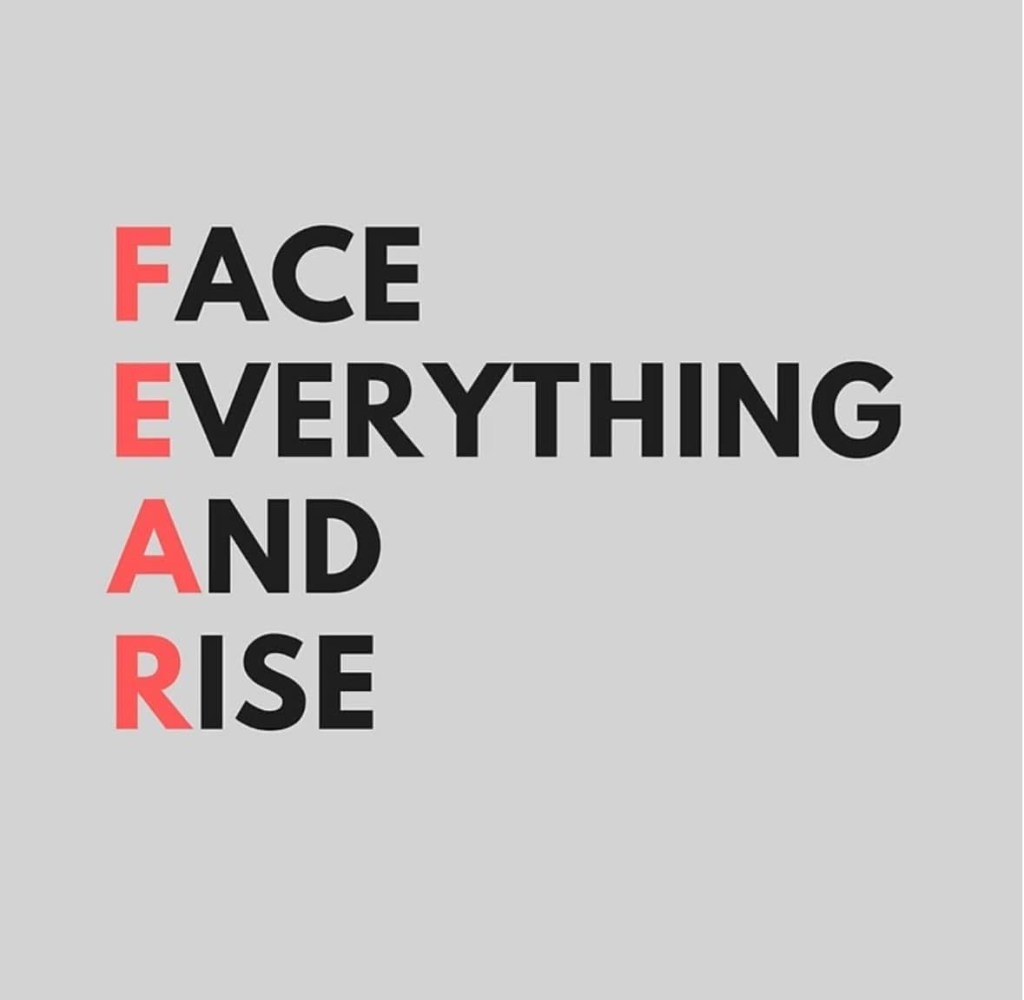
As part of this season of weeding, and in the broader uncertainty we are all navigating, this book found me at just the right time. I’ve long appreciated the work of Pema Chödrön, especially Comfortable with Uncertainty and When Things Fall Apart, but this reading felt particularly personal and timely. I find myself in a moment of discernment, especially around my professional path, gently asking myself – Where might fear be shaping my choices and impacting outcomes more than I realize?
This passage in particular invited me to pause:
“Without realizing it we continually shield ourselves from this pain because it scares us. We put up protective walls made of opinions, prejudices, and strategies… built on a deep fear of being hurt… But fortunately for us, the soft spot – our innate ability to love and to care about things – is like a crack in these walls we erect.” (4)
That image — of a “soft spot” as a crack in the walls — stayed with me. It reframed vulnerability not as weakness, but as the very opening through which growth, connection, and aliveness can enter.
Pema offers an unexpected and powerful redefinition of what it means to be a warrior:
“Like them, we could learn to relate to ourselves and our world as warriors. We could train in awakening our courage and love. There are both formal and informal methods for helping us to cultivate this bravery and kindness. There are practices for nurturing our capacity to rejoice, to let go, to love, and to shed a tear. There are those that teach us to stay open to uncertainty. There are others that help us to stay present at the times that we habitually shut down. Wherever we are, we can train as a warrior. The practices of meditation, loving-kindness, compassion, joy., and equanimity are our tools.” (6-7)
This idea of training resonated deeply. Not striving for perfection, but practicing, returning, again and again, to courage and compassion. Like a garden, it is something we tend and grow. And at the heart of this training is a profound shift:
“The central question of a warrior’s training is not how we avoid uncertainty and fear but how we relate to discomfort.” (6-7)
That line stopped me and caused me to ponder more deeply.So much of our energy is spent trying to eliminate uncertainty — to secure, predict, and control what comes next. But what if the work is not to remove discomfort, but to change our relationship with it?
Pema reminds us that uncertainty is not a problem to solve, but a reality to engage. “A warrior accepts that we can never know what will happen to us next… This not knowing is part of the adventure, and it’s also what makes us afraid.” (6-7) And yet, rather than turning away, she invites us to turn toward, reminding us – “Openness doesn’t come from resisting our fears but from getting to know them well… What are the stories I tell myself? What repels me and what attracts me?” (11)
This feels deeply aligned with the weeding process. To notice what is growing — not with judgment, but with curiosity. To understand the patterns, beliefs, and strategies we’ve cultivated, often unconsciously, to protect ourselves. Because, as she cautions “…we can misuse any substance or activity to run away from insecurity… The problem isn’t with the beliefs themselves but with how we use them… to avoid feeling the uneasiness of not knowing.” (13) That insight lands squarely in the realm of habits – something I explore often in my work with BrainByDesign and with my own clients.
The neuroscience is clear – what we practice, we strengthen. As Pema names so simply and powerfully – “The fear habit, the anger habit, the self-pity habit – all are strengthened and empowered when we continue to buy into them.” (52) This concept brings us back to choice, to awareness, and to the quiet, daily work of noticing what we are reinforcing.
Perhaps the most important question she poses and that has lingered with me is this –
“Do the days of our lives add up to further suffering or to increased capacity for joy?” (19)
This question calls me back to intention, to what I am cultivating, moment by moment, habit by habit, thought by thought. It also reminds me that love, not fear, is the true disruptor of these cycles of habits in which we may find ourselves stuck.
“Hatred never ceases by hatred, but by love alone is healed.”
— Buddha
And maybe, in the midst of all of the uncertainty, the weeding, the training, there is also something beautifully human and simple to hold onto:
“Everybody loves something, even if it’s only tortillas.”
— Trungpa Rinpoche
A small, grounding truth and reminder that beneath it all, there is always a thread of connection, care, and capacity for joy and love. And perhaps that is where we begin, and where we return to in times of uncertainty.
What Amazon Has to Say:
Lifelong guidance for learning to change the way we relate to the scary and difficult moments of our lives, showing us how we can use all of our difficulties and fears as a way to soften our hearts and open us to greater kindness.
We always have a choice in how we react to the circumstances of our lives. We can let them harden us and make us increasingly resentful and afraid, or we can let them soften us and allow our inherent human kindness to shine through. Here Pema Chödrön provides essential tools for dealing with the many difficulties that life throws our way, teaching us how to awaken our basic human goodness and connect deeply with others—to accept ourselves and everything around us complete with faults and imperfections. She shows the strength that comes from staying in touch with what’s happening in our lives right now and helps us unmask the ways in which our egos cause us to resist life as it is. If we go to the places that scare us, Pema suggests, we just might find the boundless life we’ve always dreamed of. Book comes in Deckled Edge style.


Podcast I Listened To:
Buddhist Monks On: Letting Go of Shame, The Opposite of Depression, and Dealing with Criticism | Ajahn Kovilo and Ajahn Nisabho | Episode 1115 | March 18, 2026
Plus, staying sane in a crazy world, giving tough feedback, and how to orient to the dumpster fire of the news.
Ajahn Kovilo Bhikkhu and Ajahn Nisabho are North American-born, Theravada monks who founded Clear Mountain Monastery in Seattle, Washington.
In this episode we talk about:
• How to get stuff off your chest
• How to live with less shame and regret
• How to give feedback without pissing people off too much
• How to accept feedback without getting pissed off or getting defensive
• How to stay sane in a crazy news cycle
• Why being miserable about the state of the world doesn’t actually help anything
• How to cultivate the opposite of depression
My Thoughts and Takeaways:
This podcast immediately caught my attention; even just the title sparked my interest. I found myself quickly making connections between the ways shame can hold us back from becoming our best selves and fully stepping into our potential. While regret, as Daniel Pink explores in The Power of Regret, can serve as fuel, prompting us to live bigger, learn, and avoid repeating the same mistakes, shame seems to have the opposite effect. Shame makes us smaller. It causes us to retreat, to contract, to stay stuck and entrenched rather than move forward.
This distinction feels especially important when we think about feedback, which is such a critical driver of growth. When offered skillfully, feedback can inspire reflection, learning, and development. When delivered poorly, it can trigger shame, leading to defensiveness, shutdown, or disengagement.
There is also an important role on the receiving side. Cultivating openness, curiosity, and self-compassion can help transform feedback into something generative rather than threatening. Without that internal posture, even well-intended feedback can be misinterpreted and internalized in ways that hinder growth.
All of this resonates deeply as I reflect on my own patterns, my beliefs, habits, and assumptions, and consider what I may need to “weed out” in order to grow forward. Where might shame be keeping me small? And where might I instead allow reflection, learning, and even regret to expand me into something more aligned?
~
You can sign up to receive my Three Thoughts for Thursday post as an email on the third Thursday of every month by clicking here. If you’ve missed any of my Three Thoughts, you can find them all on my blog. If you enjoyed this post, take a look at my recap of 2025 in December’s Three Thoughts, and February’s Three Thoughts for Thursday. You may also be interested in reading my four-part Lessons of the Run series –Endurance, Resilience, Rest, and Grit. Take a look at my latest post, “YOU are the MISSING Piece!” and stay tuned for an update to this piece, along with a recent and new 5th Lesson of the Run – Humility and Adaptability!
If you are interested or know someone who may be interested, I also offer leadership and emotional intelligence coaching and workshops. You can find more information on my website, or you can use this link to set up a free 30-minute introduction to coaching session.
As I mentioned, the stroke I had in February 2018 was a pivotal event and valuable turning point in my life; you can read more in my commemorative post. Please join me in celebrating these milestones, turning points, and calls to “winter,” by taking time to celebrate your own milestones and by fully embracing the opportunities in front of you, the value in the little things, and the beauty that surrounds you in this wonderful, messy life. I will forever be grateful for my stroke and the path of integrity I found in its wake.
I am currently partnering with my fellow Education and Coaching colleague, Dr. Joan Flora, to offer a series on Resolving Emotional Reactivity. This series explores emotions and their purpose, the information they hold about our human needs, and how we can learn to respond with intention and integrity instead of reacting and regretting. We are offering monthly Open Houses to learn more.
Over the course of the last two years, I’ve hosted a few local, in-person events here in the Seattle area, like Savor the Sweetness and the Serenity Retreat. The Serenity Retreat was another success! This relaxing and delightful event took place again June 14, 2025; learn more! Savor the Sweetness took place again September 20, 2025, and was also divine! I’m excited to play more in these spaces of creating opportunities for connection and reflection If you are interested in such local events, please contact me with any questions, or to join the invite list for future events!
I have the privilege of hosting the Emotional Intelligence Special Interest Group for ICFLA. We kicked off our 2025 explorations and learning journey on February 25th with guest Dr. J.D. Pincus of AgileBrain, who walked us through The LA Wildfires through the Lens of Emotional Needs: Coaching in Times of Loss. On Tuesday, June 24th, we both revisited and explored emotional intelligence in coaching through our topic, Emotional Intelligence Foundations for Coaching and Workplace Impact, with guest Maribel Hines, MBA, SPHR, CPLP. Maribel offered her insights, wisdom, and perspective through her in-house leadership and coaching and EQ practitioner lens. It was a great session as we translated theory and emotional intelligence into action and impact! Our August 26th session with Dr. Joan Flora focused on From Reactivity to Resilience: Coaching to Soften Reactivity and Strengthen Resilience. Our final session for the year was on Tuesday, October 28th, with guest speaker, Nicole Venner, who created space to explore, discuss, and practice ways of holding space for Emotional Intelligence in Threshold Spaces.
Please consider joining us for the ICFLA EI SIG in 2026! We began the 2026 series on February 24th with Re-grounding Coaching in Emotional Intelligence: Foundations That Deepen Presence, Insight, and Impact. In April, Elena Sarango-Muniz will be joining us to share on the topic of The Art of Approachability – Build Bridges, Create Connections, Unlock Possibilities. Please join us April 28th by registering here.
If you are interested in joining and co-creating these learning communities, please use the links above to learn more about ICFLA’s Emotional Intelligence Special Interest Group, BrainByDesign, and the Women’s Events. I hope you will come along for the journey!
I’m always looking for new inspiration, new books to read, and new podcasts to listen to, so please send your suggestions my way or comment on this post to offer some new recommendations!
As always, thank you for your continued support and readership! Stay strong, stay brave, stay true to you!
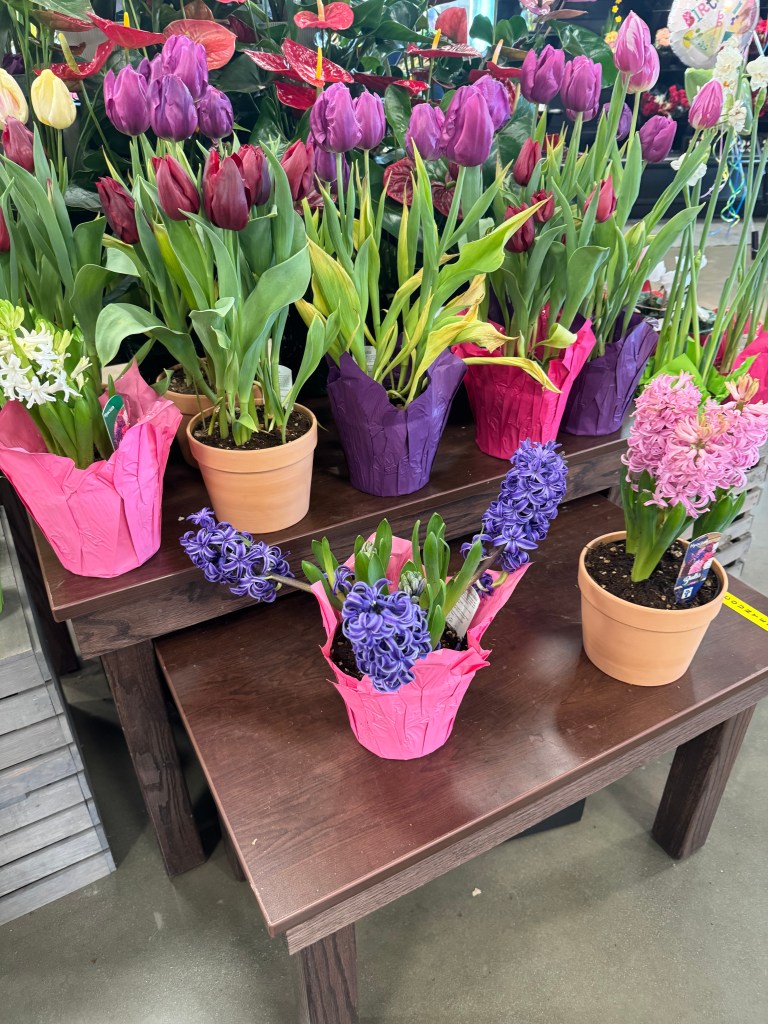
Wishing you a season filled with weeding that is satisfying and freeing as you get rid of old beliefs and habits holding you back, keeping you stuck, and begin to envision all you are capable of growing! Thank you for being part of my journey.




 Desiree Briel Rodi Consulting & Coaching