Skip to content
  • Home
  • About
  • Services
    • Services for Individuals
    • Services for Organizational Leadership & Change
    • Services for Schools and Families
  • The Empathy & Attunement Studio
  • Events
  • Blog
  • Contact
  • Quotes and Inspiration
  • Testimonials
  • Facebook
  • LinkedIn
  • Twitter
  • Instagram
  • Home
  • About
  • Services
  • The Empathy & Attunement Studio
  • Events
  • Blog
  • Contact
  • Quotes and Inspiration
  • Testimonials
  • Facebook
  • LinkedIn
  • Twitter
  • Instagram

Desiree Briel Rodi Consulting & Coaching

Business and People Strategy Unite

  • Home
  • About
  • Services
    • Services for Individuals
    • Services for Organizational Leadership & Change
    • Services for Schools and Families
  • The Empathy & Attunement Studio
  • Events
  • Blog
  • Contact
  • Quotes and Inspiration
  • Testimonials
  • featured
  • Parents and Children
  • Three Thoughts for Thursday

Growing Pains ~ Three Thoughts for Thursday ~ May 2026

Desiree Briel Rodi Consulting & Coaching's avatar Desiree Briel Rodi Consulting & Coaching May 21, 2026

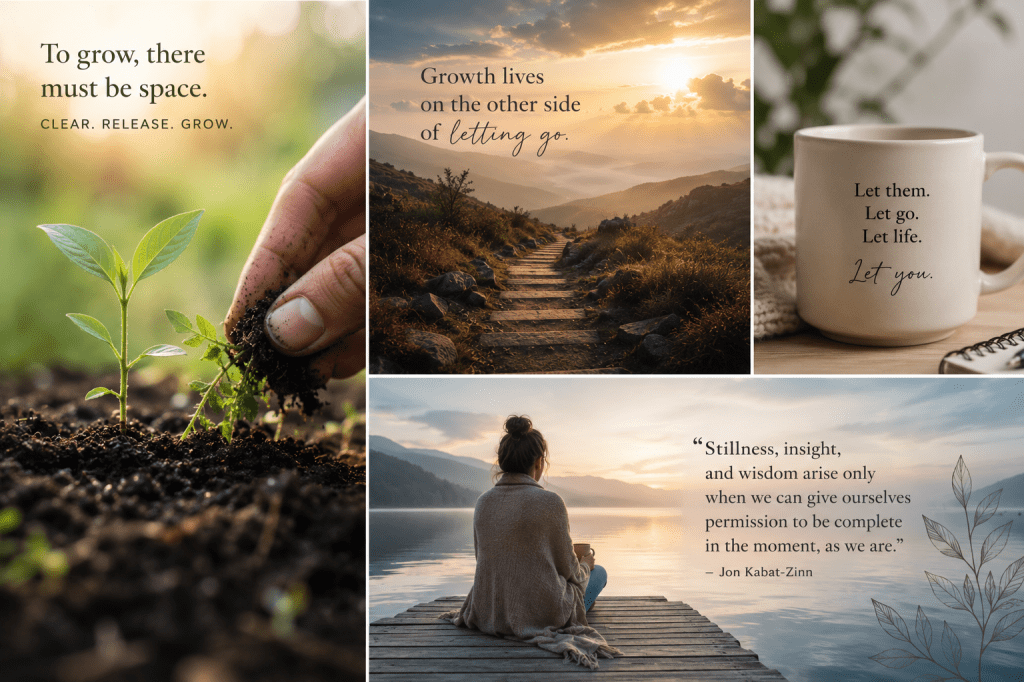
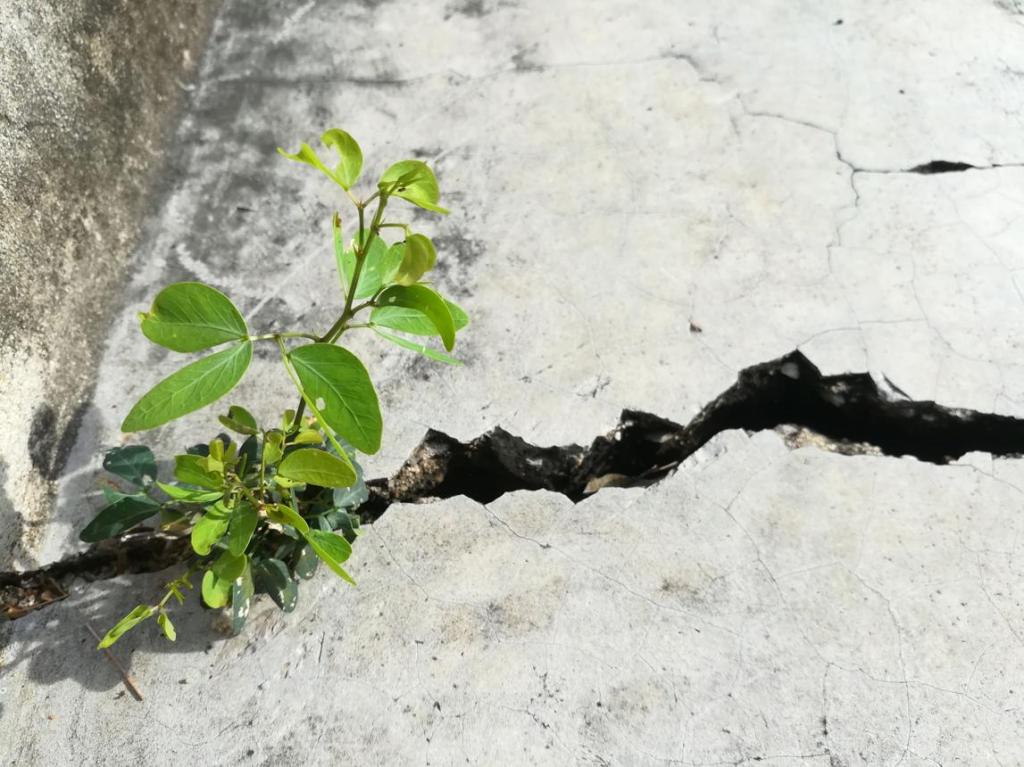
May has me thinking about growing pains. Not just the physical kind we remember from childhood, but the emotional and internal kind that come with becoming. Growth requires space. And creating that space is not always comfortable. Sometimes growth asks us to stretch beyond familiar identities, release old beliefs, or loosen our grip on patterns that once protected us but no longer serve us. 

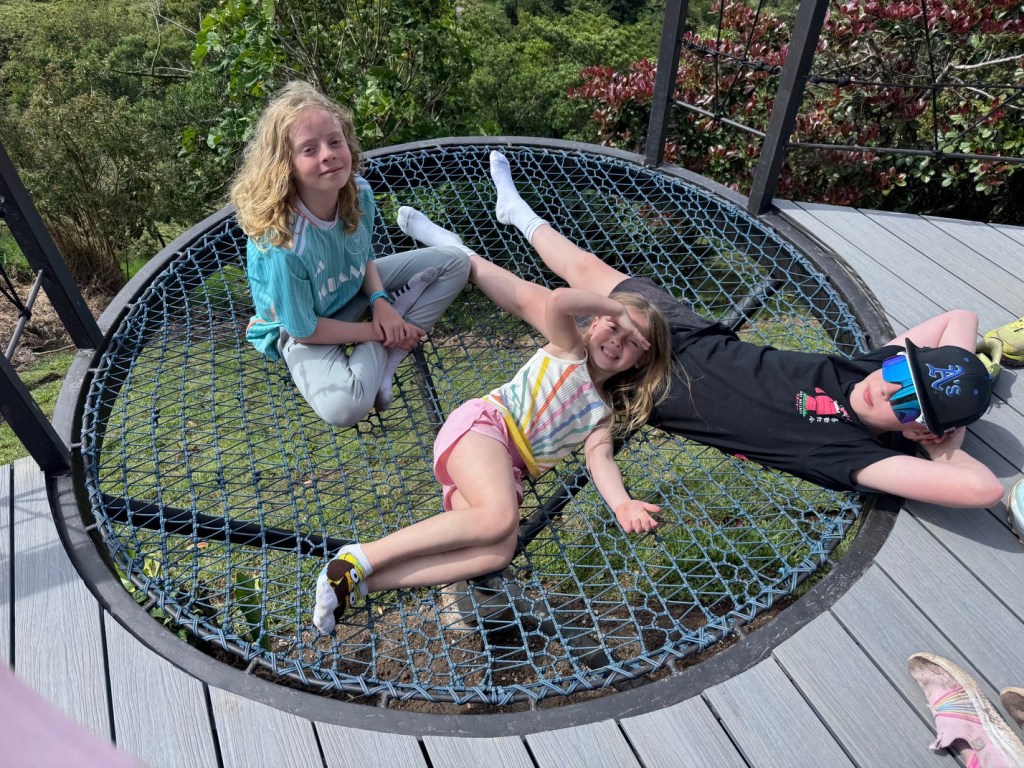
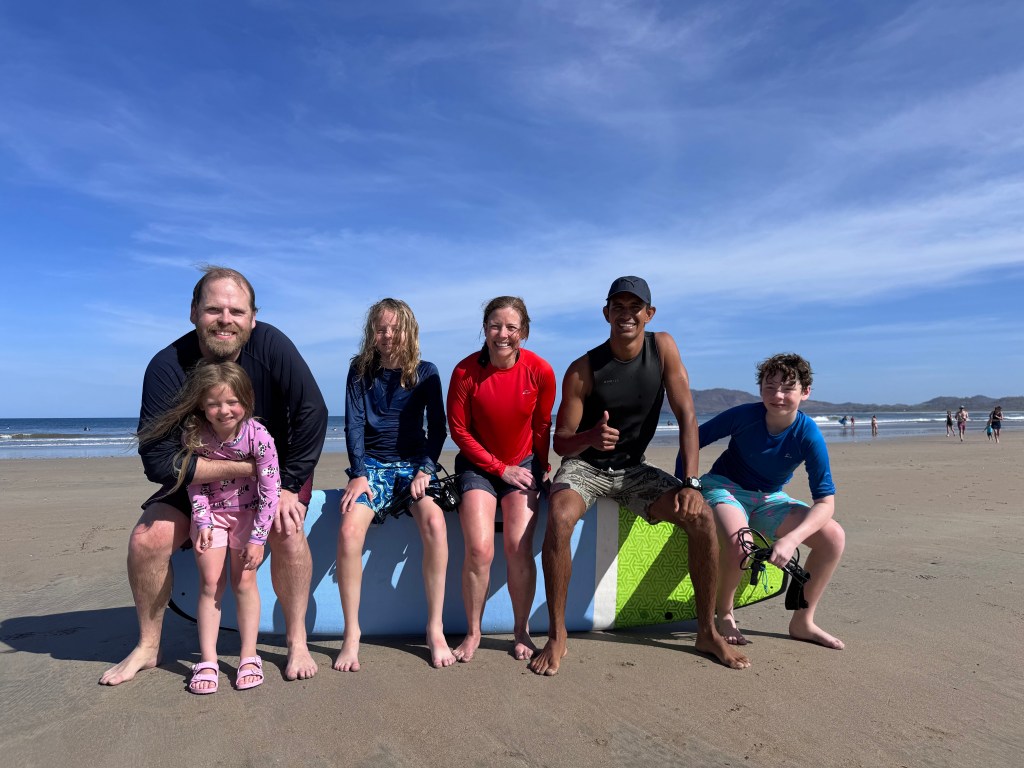
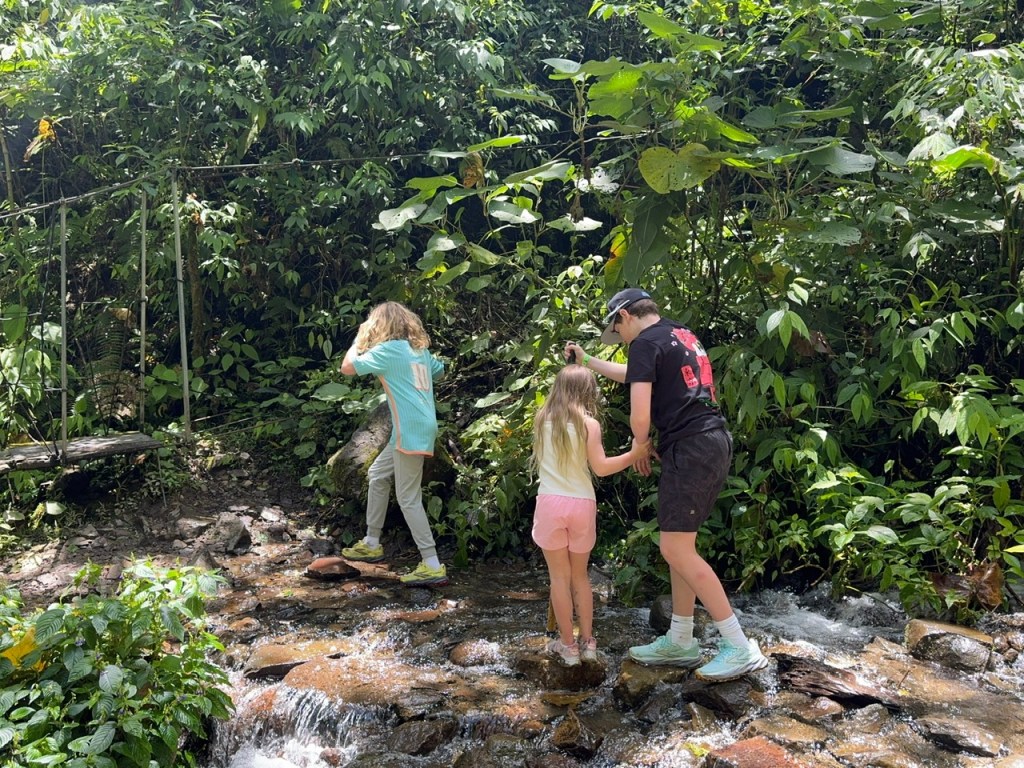
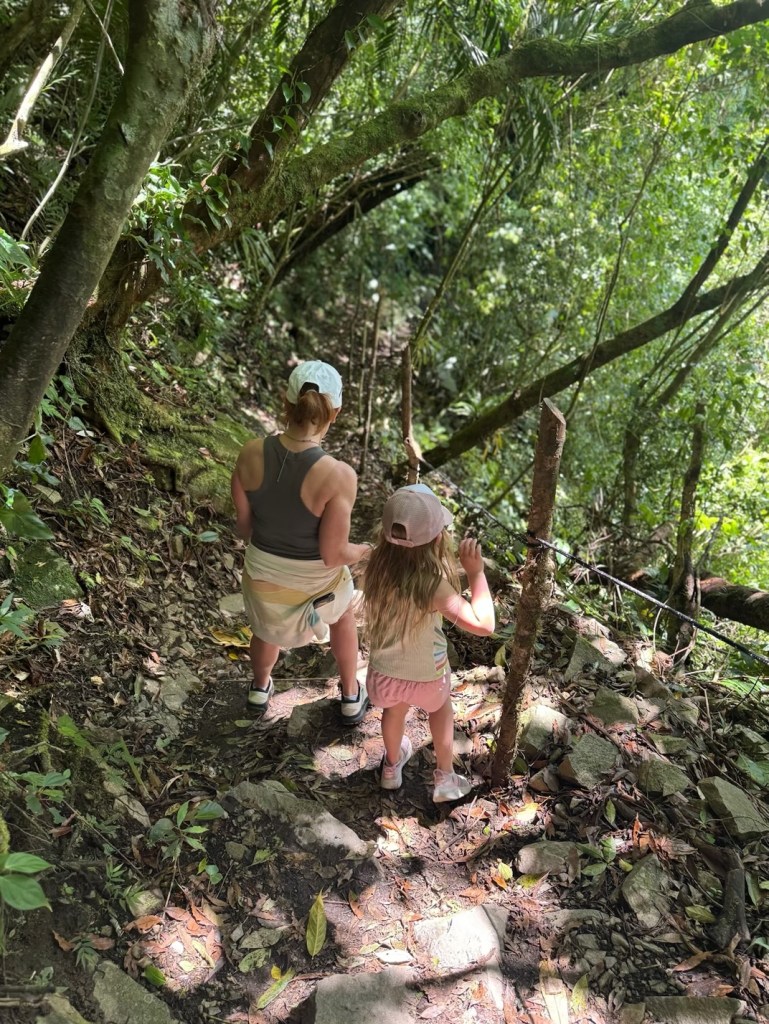
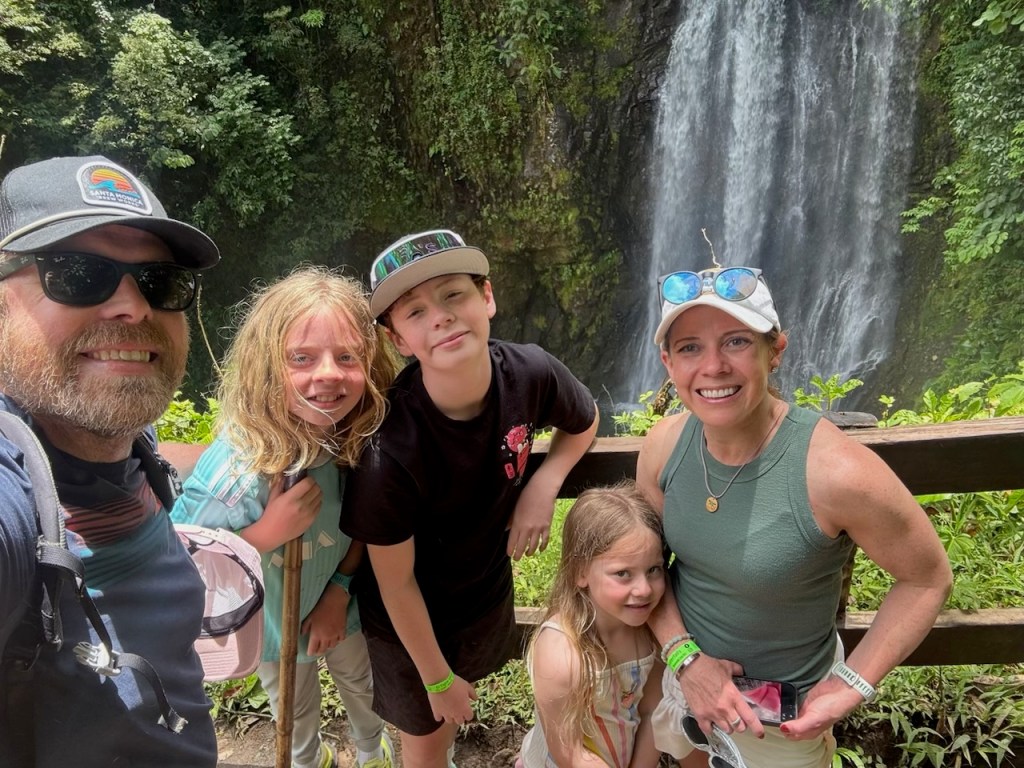
While in Costa Rica for Spring Break recently, we visited Monteverde and had the opportunity to learn about the amphibians and reptiles native to the area. Part of the story was, of course, around a snake shedding its skin – a necessity for growth. I also learned that this shedding can be painful, just like human growth, both physical and cognitive/emotional. I thought about the limiting beliefs, structures, identities, and biases I’ve needed to shed to become, and the pain points of shedding old ways.

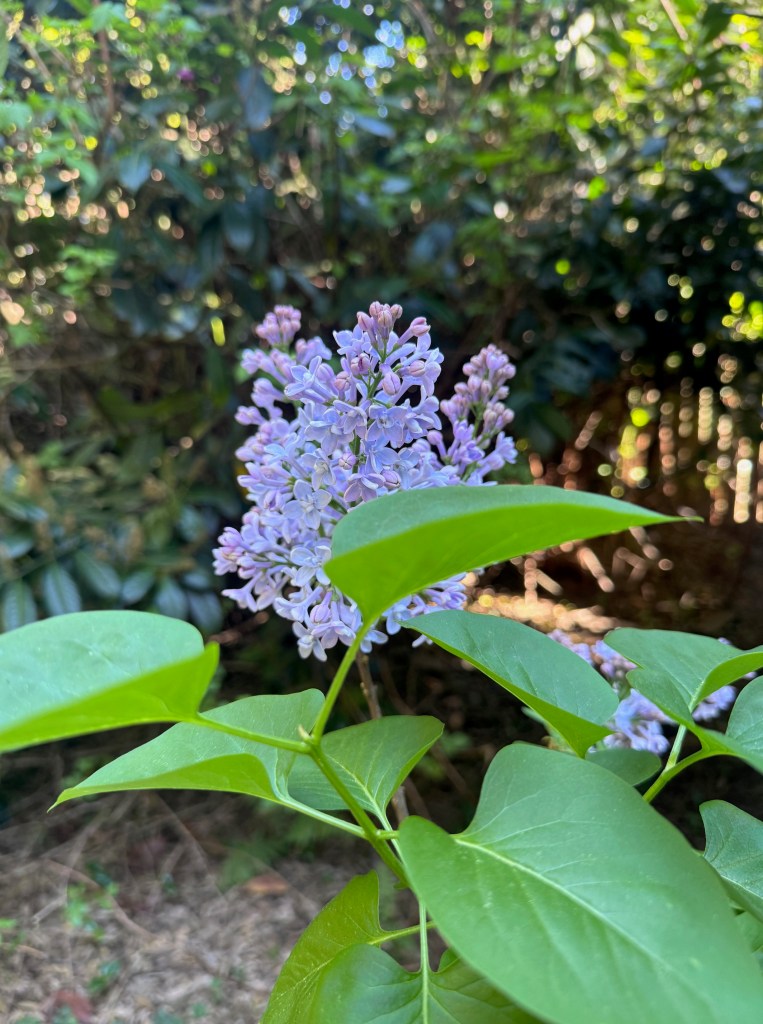
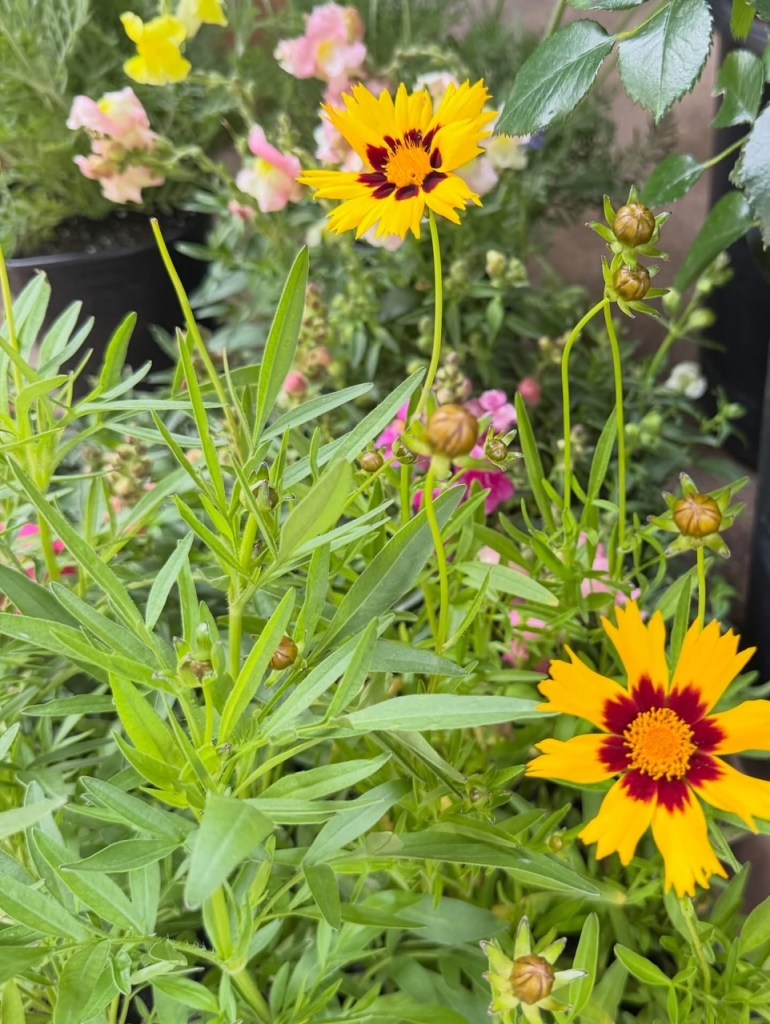
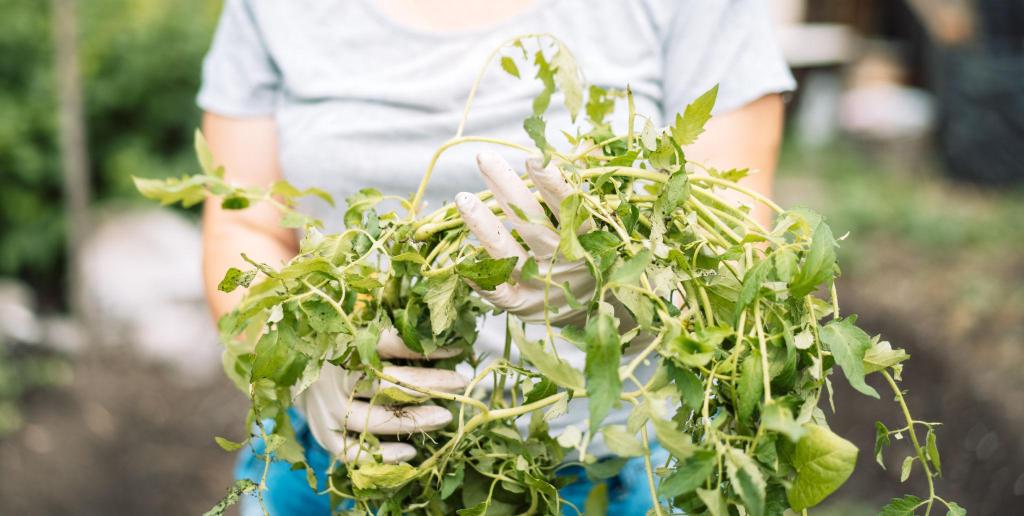
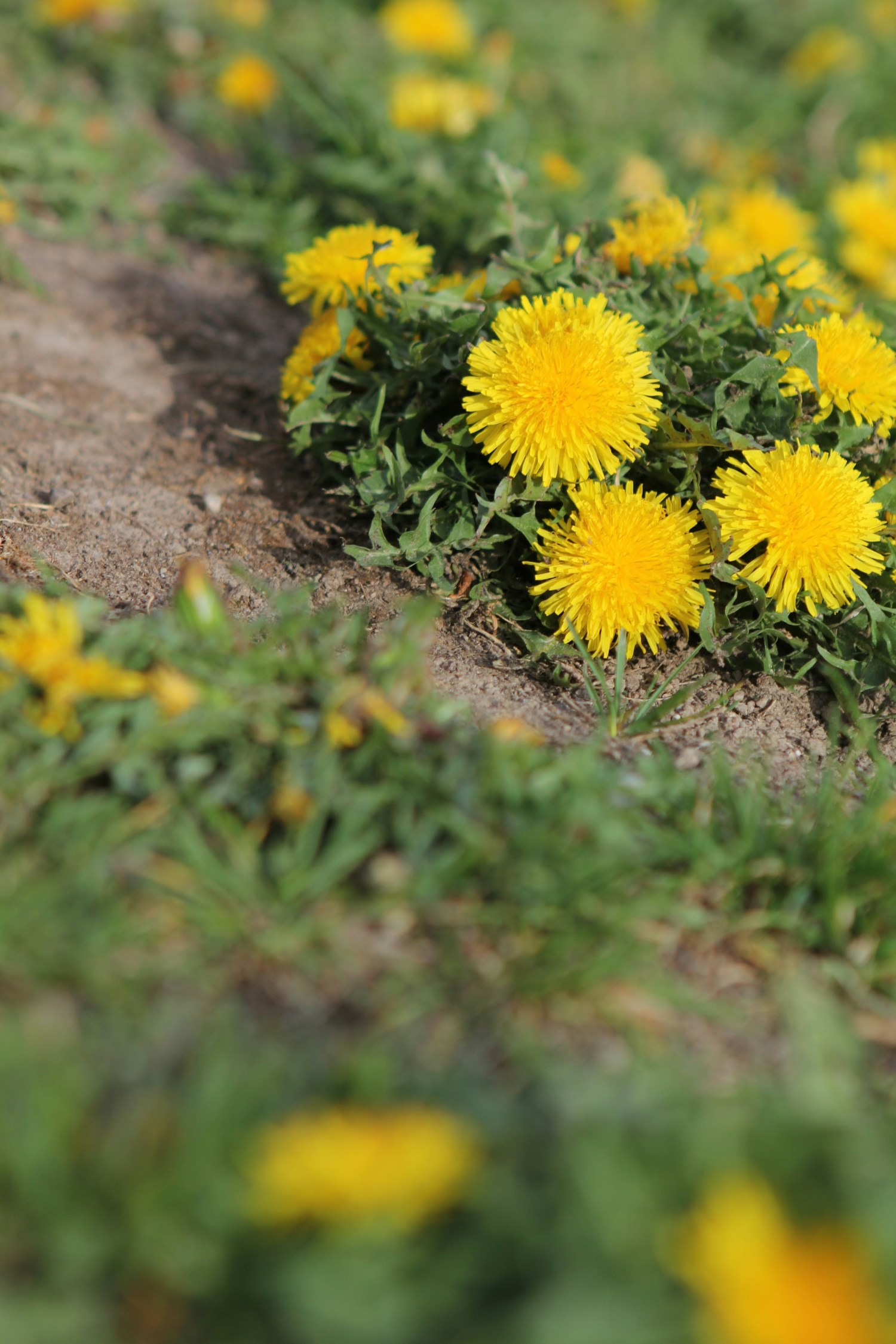
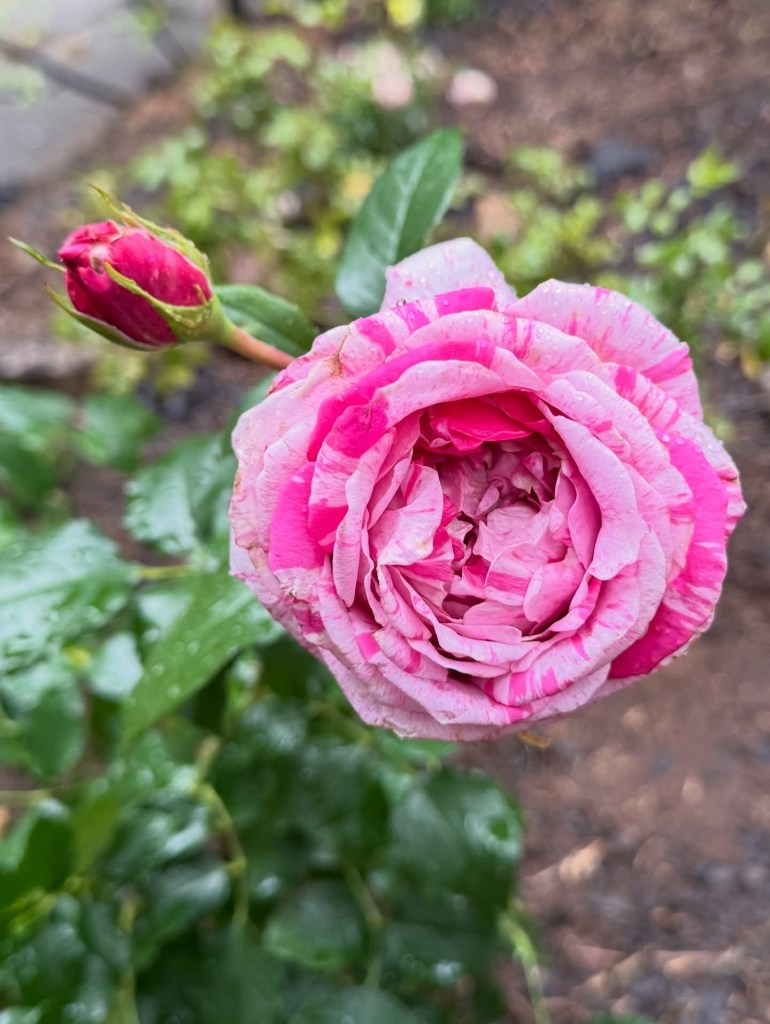
Over the past few months, I’ve found myself reflecting on the idea of “weeding,” identifying the anxieties, assumptions, fears, and emotional clutter that may be crowding out new growth. Just like a garden, we cannot ask new things to flourish if we refuse to clear space for them to breathe. Just like a snake, this shedding of old beliefs and behaviors can be painful, albeit necessary for growth.

A passage I keep returning to comes from Jon Kabat-Zinn’s Wherever You Go, There You Are: “The gesture of letting go is akin to letting your palm open to unhand something you have been holding on to.” I’ve been sitting with the question: What am I still gripping too tightly? Sometimes we cling to certainty, expectations, resentment, perfectionism, or even outdated versions of ourselves because they feel familiar. Letting go, however, is not the same thing as giving up; it is creating room. It is loosening the hold of what is no longer aligned, so something more intentional can emerge. Kabat-Zinn reminds us that wisdom and insight arise when we stop resisting the present moment and allow ourselves to fully see what is actually there.

This month, I also read The Let Them Theory by Mel Robbins, a book centered around two surprisingly simple words: Let Them. While the concept sounds straightforward, I found myself reflecting on how much energy we spend trying to manage, predict, control, or soften the behaviors and reactions of others. What if some of our exhaustion comes not from growth itself, but from gripping too tightly to things we were never meant to carry? “Let them” is not passive resignation; it is an invitation to redirect energy inward — toward our own values, choices, boundaries, growth, and joy. In many ways, it feels connected to weeding: releasing what crowds our peace so we can more intentionally cultivate what matters.

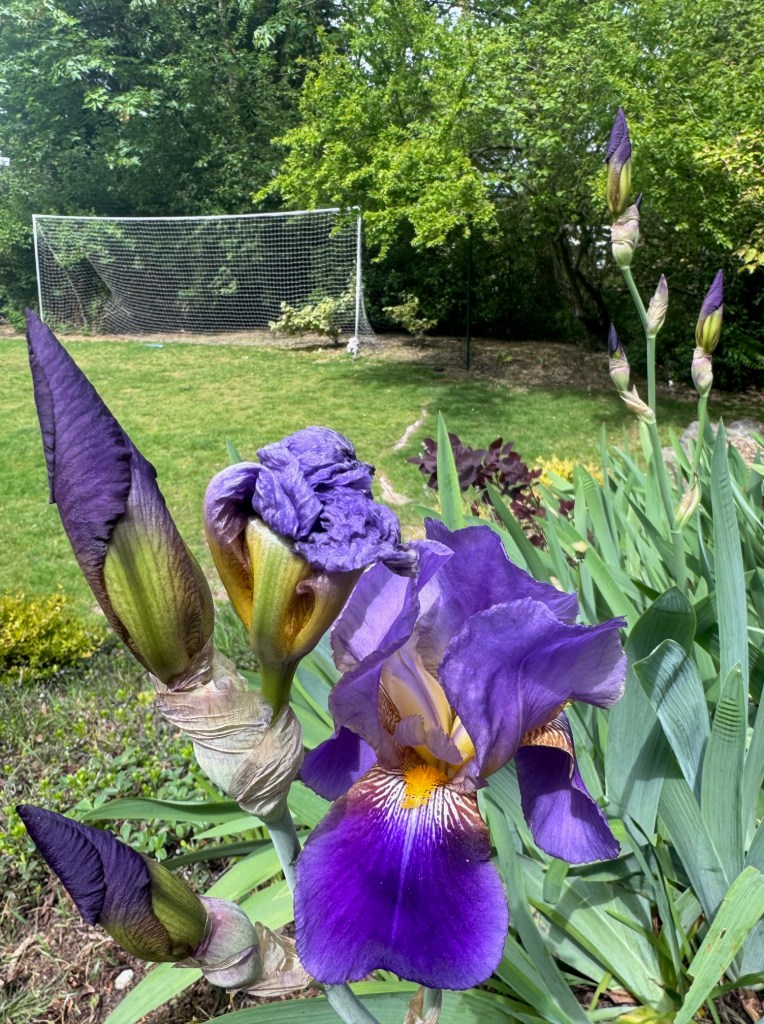
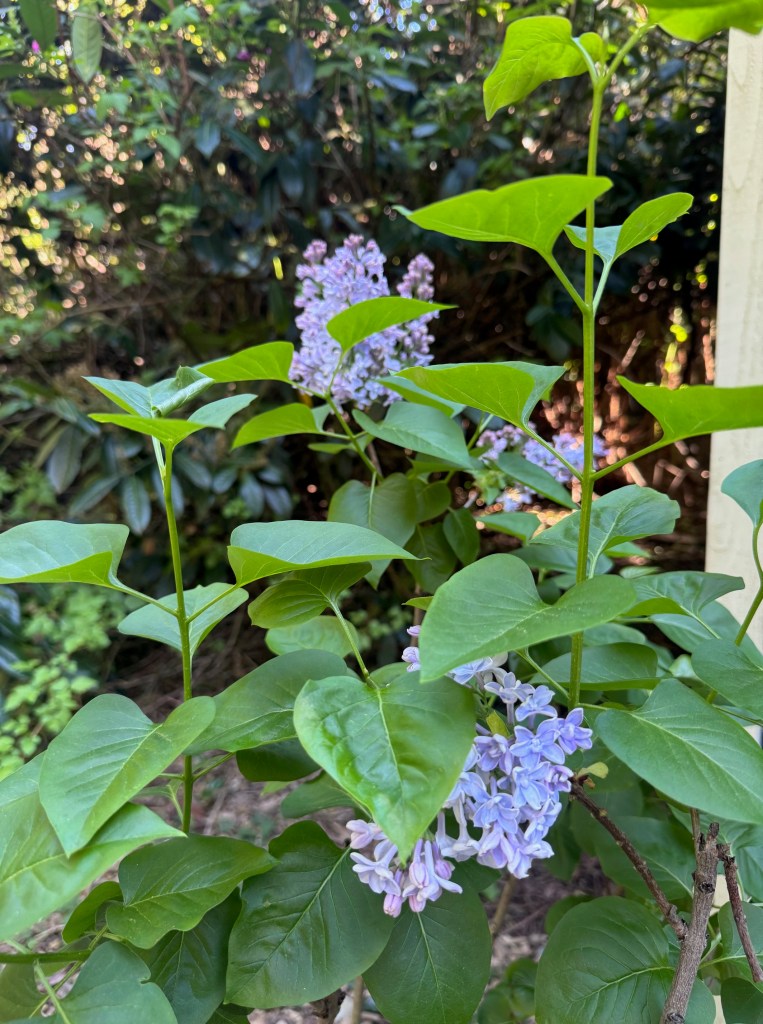
Perhaps growth is less about becoming someone entirely new and more about clearing away what obscures who we already are. Maybe the growing pains are not signs that something is wrong, but evidence that we are stretching into a new capacity. This May, I’m reflecting on what needs tending, what needs pruning, and what needs releasing. What beliefs, fears, or emotional habits are taking up space in your internal garden? And what might become possible if you loosened your grip just enough to let something new grow?

Reflective Questions Through the Three I’s of Emotional Intelligence
Inward (Insight & Intuition)

  1. What emotions have been asking for my attention lately, and what information might they be trying to give me?
  2. What beliefs, fears, or expectations am I holding onto that may no longer serve my growth?
  3. Where in my life do I feel tension, resistance, or discomfort — and what might that reveal about what needs tending or changing?
  4. What part of myself have I been neglecting, silencing, or overprotecting?

Integrate (Integrity & Intention)

  1. What would it look like to respond to myself and others with greater compassion rather than control?
  2. Where am I spending energy trying to manage things that are outside my control?
  3. What values or truths do I want to more intentionally align my choices and behaviors with right now?
  4. What might I need to release, prune, or “weed out” to create more space for growth, peace, or clarity?

Impact (Influence & Ignition)

  1. How do my emotional patterns shape the way I show up in my relationships, leadership, and daily life?
  2. What kind of impact do I want my presence, energy, and actions to have on the people and spaces around me?
  3. Where might my willingness to grow create ripple effects for others?
  4. What becomes possible — for me and for those around me — when I lead from greater awareness, alignment, and emotional courage?
Quote(s)/Passage I’m pondering…

On Letting Go…

“Letting go means just what it says. It’s an invitation to cease clinging to anything – whether it be an idea, a thing, an event, a particular time, or view, or desire. It is a conscious decision to release with full acceptance into the stream of present moments as they are unfolding. To let go means to give up coercing, resisting, or struggling, in exchange for something more powerful and wholesome that comes out of allowing things to be as they are without getting caught up in your attraction to or rejection of them, in the intrinsic stickiness of wanting, or liking and disliking, of the impulse to grasp on to and cling to desires or aversions of all kinds when they arise in the mind. The gesture of letting go is akin to letting your palm open to unhand something you have been holding on to.

…

Letting go is only possible if we can bring awareness and acceptance to the nitty-gritty of just how stuck we can get, and if we can, give ourselves permission to recognize the lenses we slip so unconsciously between observer and observed that then filter and color, bend and shape our view.

…

Stillness, insight, and wisdom arise only when we can give ourselves permission to settle into being complete in the moment, as we are, without having to seek or hold on to or reject anything.”

~ Jon Kabat-Zinn, Wherever You Go, There You Are

Book I’ve Read:

The Let Them Theory: A Life-Changing Tool That Millions of People Can’t Stop Talking About
By Mel Robbins (& Sawyer Robbins)

My Thoughts and Takeaways:

One of the things that immediately struck me while reading The Let Them Theory was the recognition of how profoundly our habits shape our lives, especially our habits of thinking. Mel Robbins shares her own tendency to “let [her] thoughts paralyze [her], and fear and stress consume [her],” and that deeply resonated with me. As a recovering people-pleaser and perfectionist, I recognized how easy it is for fear, overthinking, and self-protection to become well-worn mental pathways. Our thoughts are powerful, and when repeated often enough, they can quietly become the habits that shape how we move through the world.

Robbins introduces her well-known “5-4-3-2-1” practice as a way to interrupt hesitation and move into action. What I appreciated most is the recognition that we cannot always rely on motivation or willpower to carry us forward. Sometimes action must come first. Robbins writes, “Every time you count 5-4-3-2-1, you will push yourself through hesitation, procrastination, overthinking, and doubt.” The practice becomes a way of rewiring old patterns, replacing rumination with movement, avoidance with agency. It left me reflecting on the habits I may want to shift and what new practices might better support the life I want to create.

The deeper heart of the book, however, centers around the realization that so much of our energy becomes consumed by trying to manage the reactions, expectations, opinions, and emotions of other people. Robbins came to recognize that what was getting in her way was not simply circumstances, but “how [she] was letting other people impact [her].” That insight felt both simple and profound. We spend so much time trying to gain approval, soften discomfort, avoid judgment, or manage outcomes that were never actually ours to control. And in doing so, we often lose connection with ourselves.

That is ultimately the invitation of the “Let Them” theory: to allow others to have their experiences while creating space to focus more intentionally on our own values, actions, growth, peace, and purpose. “Let them” is not passive resignation; it is an act of emotional clarity and self-responsibility. It is a shift away from external validation and toward self-awareness, self-acceptance, compassion, and agency. For me, it connected deeply to this month’s theme of weeding and creating space. Sometimes growth requires not only letting go of old beliefs and fears but also loosening our grip on the exhausting responsibility of managing everyone else’s experience so we can more fully tend to our own lives.

What Amazon Has to Say:


#1 New York Times Bestseller
#1 Sunday Times Bestseller
#1 Amazon Bestseller
#1 Audible Bestseller
A Life-Changing Tool Millions of People Can’t Stop Talking About

What if the key to happiness, success, and love was as simple as two words?

If you’ve ever felt stuck, overwhelmed, or frustrated with where you are, the problem isn’t you. The problem is the power you give to other people. Two simple words—Let Them—will set you free. Free from the opinions, drama, and judgments of others. Free from the exhausting cycle of trying to manage everything and everyone around you. The Let Them Theory puts the power to create a life you love back in your hands—and this book will show you exactly how to do it.

In her latest groundbreaking book, The Let Them Theory, Mel Robbins—New York Times bestselling author and one of the world’s most respected experts on motivation, confidence, and mindset—teaches you how to stop wasting energy on what you can’t control and start focusing on what truly matters: YOU. Your happiness. Your goals. Your life.

Using the same no-nonsense, science-backed approach that’s made The Mel Robbins Podcast a global sensation, Robbins explains why The Let Them Theory is already loved by millions and how you can apply it in eight key areas of your life to make the biggest impact. As you listen, you’ll realize how much energy and time you’ve been wasting trying to control the wrong things—at work, in relationships, and in pursuing your goals—and how this is keeping you from the happiness and success you deserve.
Written as an easy-to-understand guide, Robbins shares relatable stories from her own life, highlights key takeaways, relevant research, and introduces you to world-renowned experts in psychology, neuroscience, relationships, happiness, and ancient wisdom who champion The Let Them Theory every step of the way.
Learn how to:

  • Stop wasting energy on things you can’t control
  • Stop comparing yourself to other people
  • Break free from fear and self-doubt
  • Release the grip of people’s expectations
  • Build the best friendships of your life
  • Create the love you deserve
  • Pursue what truly matters to you with confidence
  • Build resilience against everyday stressors and distractions
  • Define your own path to success, joy, and fulfillment 
    …and so much more.

The Let Them Theory will forever change the way you think about relationships, control, and personal power. Whether you want to advance your career, motivate others to change, take creative risks, find deeper connections, build better habits, start a new chapter, or simply create more happiness in your life and relationships, this book gives you the mindset and tools to unlock your full potential.

Order your copy of The Let Them Theory now and discover how much power you truly have. It all begins with two simple words.
Podcast I’ve Listened To:

The Let Them Theory: How to Take Back Your Peace and Power | The Mel Robbins Podcast | Episode #326 | September 17, 2025

If you’re tired of managing everyone’s moods, over-explaining yourself, fixing issues that aren’t yours to fix, or proving your worth to people who don’t see it, this podcast is your reset.

In this solo episode, Mel unpacks the life-changing tool that millions of people around the world can’t stop talking about:

The Let Them Theory

For the first time on the podcast since the book launched, Mel discusses Let Them, the global movement, and new ways to apply the theory.

Whether you’ve read the book or are new to this tool, today’s episode will give you perspectives and insights about The Let Them Theory that have never been shared before. 

The Let Them Theory is here to remind you that the problem isn’t you; it’s the power you give to other people. 

It has become a cultural sensation and a movement built on one idea:

When you stop trying to control other people, you finally take control of yourself. 
In this conversation, Mel shares:

  • 4 things you’re not responsible for
  • Why trying to make everyone else happy is a recipe for frustration
  • The main reason some people never understand you – and why that is OK
  • The one-sentence way to set a powerful boundary
  • Why the only person you need to prove yourself to is you

If you’ve spent too long chasing approval or taking on responsibility for everyone else, it’s time to protect your time and energy.

It’s time to stop letting other people hold you back.

It’s time to focus on what you can control: YOU.

My Takeaways and Reminders for Myself:

  1. You are not responsible for other people’s happiness – Let them be unhappy, uncomfortable, etc. We are each responsible for our own happiness. Hold others as capable. When we spend our time trying to keep everyone else happy, we usually fail because we can’t control others or their experiences, and we also usually sacrifice our own happiness. When we focus on our happiness, we empower others to do the same, and happiness is contagious. Stop trying to control others!
  2. You are not responsible for solving others’ problems – Let them solve their own problems. You can support others, but by jumping in with solutions, we are communicating that we don’t actually think they can handle the problem. We take away their power, keep them from learning and growing, and this all can often lead to resentment, too. Hold others as capable and whole, and support them to solve their own problems! 
  3. You are not responsible for making people understand your choices – Let them misunderstand you, let them judge you, let them have their opinions. You cannot control other people – what they think, what they do, their opinions of you. You don’t owe explanations. You are responsible for your choices. Stop explaining yourself to others and trying to make others understand you!
  4. You are not responsible for proving your worth – Let them underestimate you! Self-worth does not come from outside, from others liking you, it comes from inside and liking yourself. You are not responsible for getting people to see your value or like you. You don’t need people to validate your worth. “When you allow your fear of what other people think to stop you from doing what you want to do, you become a prisoner to other people’s opinions.” Give people the freedom to think what they want, and give yourself the freedom to take action and transform.

Related Podcast Recommendation

Another podcast that deeply connects to this month’s reflections on growing pains, letting go, uncertainty, and emotional capacity is:

The Anxious Achiever Podcast with Morra Aarons-Mele


Particularly episodes focused on anxiety, perfectionism, control, uncertainty, and leadership.

What I appreciate about The Anxious Achiever is how it reframes anxiety and emotional struggle not as personal failures, but as human experiences that can become sources of insight, compassion, and growth when approached with awareness. The conversations often explore the tension between striving and surrender, ambition and wellbeing, certainty and curiosity — themes that feel deeply connected to this season of “weeding,” letting go, and creating space for new growth.

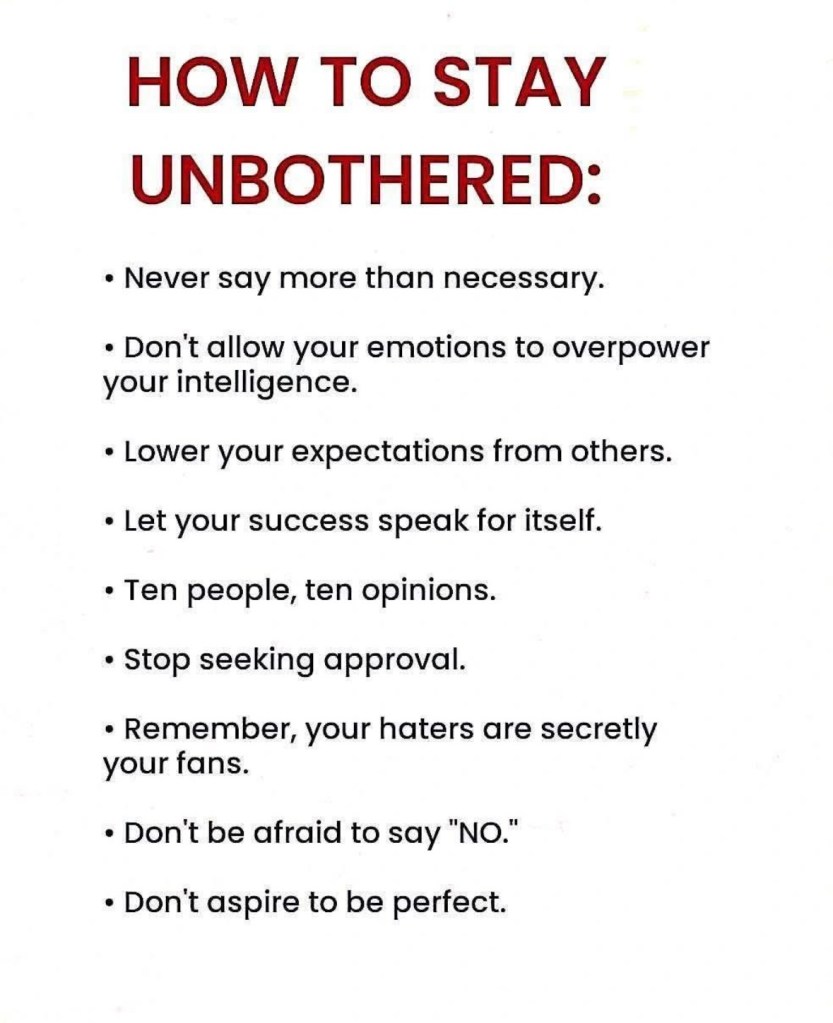
~

You can sign up to receive my Three Thoughts for Thursday post as an email on the third Thursday of every month by clicking here.  If you’ve missed any of my Three Thoughts, you can find them all on my blog.  If you enjoyed this post, take a look at my recap of 2025 in December’s Three Thoughts and April’s Three Thoughts for Thursday. Also, take a look at my posts that featured other books on this topic of staying in your own lane, including February 2025’s post, “Growing from the Inside Out,” featuring The Courage to Be Disliked, and April 2025’s post, “Presence and Balance,” featuring the book Don’t Believe Everything You Think. You may also be interested in reading some of my other recent blog posts, like the four-part Lessons of the Run series –Endurance, Resilience, Rest, and Grit. Take a look at my latest post, The Gift of the Fog, and “YOU are the MISSING Piece!”  
 
If you are interested or know someone who may be interested, I also offer leadership and emotional intelligence coaching and workshops. You can find more information on my website, or you can use this link to set up a free 30-minute introduction to coaching session.

I have partnered with my fellow Education and Coaching colleague, Dr. Joan Flora, to offer a new experience we are calling The Empathy & Attunement Studio. This new endeavor seeks to create space to take emotions and experiences to the “studio” to build and practice new tools and create new outcomes in emotionally charged conversations and relationships. This space explores emotions and their purpose, the information they hold about our human needs, and how we can learn to respond with intention and integrity instead of reacting and regretting. We are offering monthly Open Houses and Studio Practice Space where you can learn more and dive into creating new outcomes.


Come check out what we’re up to at The Empathy & Attunement Studio ~ Where Emotional Awareness Becomes Purposeful Action
I also have the privilege of hosting the Emotional Intelligence Special Interest Group for ICFLA.  We kicked off our 2025 explorations and learning journey on February 25th with guest Dr. J.D. Pincus of AgileBrain, who walked us through The LA Wildfires through the Lens of Emotional Needs: Coaching in Times of Loss.   On Tuesday, June 24th, we both revisited and explored emotional intelligence in coaching through our topic, Emotional Intelligence Foundations for Coaching and Workplace Impact, with guest Maribel Hines, MBA, SPHR, CPLP. Maribel offered her insights, wisdom, and perspective through her in-house leadership and coaching and EQ practitioner lens. It was a great session as we translated theory and emotional intelligence into action and impact! Our August 26th session with Dr. Joan Flora focused on From Reactivity to Resilience: Coaching to Soften Reactivity and Strengthen Resilience. Our final session for the year was on Tuesday, October 28th, with guest speaker, Nicole Venner, who created space to explore, discuss, and practice ways of holding space for Emotional Intelligence in Threshold Spaces. 
 
Please consider joining us for the ICFLA EI SIG in 2026! We began the 2026 series on February 24th with Re-grounding Coaching in Emotional Intelligence: Foundations That Deepen Presence, Insight, and Impact. In April, Elena Sarango-Muniz joined us to share on the topic of The Art of Approachability – Build Bridges, Create Connections, Unlock Possibilities. Please join us June 23rd by registering here.
 
If you are interested in joining and co-creating these learning communities, please use the links above to learn more about The Empathy & Attunement Studio,  ICFLA’s Emotional Intelligence Special Interest Group, and BrainByDesign, and email me to learn more about future Women’s Events. I hope you will come along for the journey!
 
I’m always looking for new inspiration, new books to read, and new podcasts to listen to, so please send your suggestions my way or comment on this post to offer some new recommendations! 

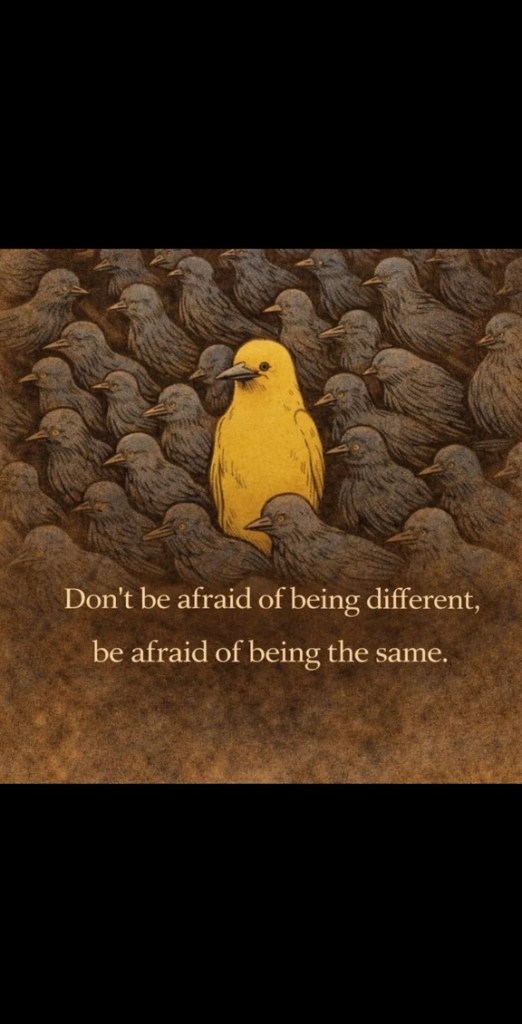
As always, thank you for your continued support and readership! Stay strong, stay brave, stay true to you!


Wishing you a season of creating space to “let them,” and in doing so, creating space to “let you” –  to grow into the fullest, truest version of yourself; to release old beliefs and worn-out patterns; to shed old skins; and to continue becoming who you are meant to be. Thank you for being part of my journey.

  • featured
  • Parents and Children
  • Three Thoughts for Thursday

Weeding Out Anxiety ~ Three Thoughts for Thursday ~ April 2026

Desiree Briel Rodi Consulting & Coaching's avatar Desiree Briel Rodi Consulting & Coaching April 16, 2026


~ Weeding, Watering, and the Gift of the Fog ~


I’ve been continuing to reflect on what needs to be weeded out to make room for what I want to intentionally grow. April is often thought of as a month of rain—the kind that nourishes and brings life. But rain doesn’t discriminate. It waters everything. The plants we want… and the weeds we don’t.

I have also been noticing the “weeds” I allow to grow in my own inner landscape, and more importantly, the thought patterns that water them. The quiet, habitual ways anxiety, doubt, or urgency take root and flourish if left unattended. Growth, it seems, is not just about what we plant, but what we choose to gently, consistently remove.

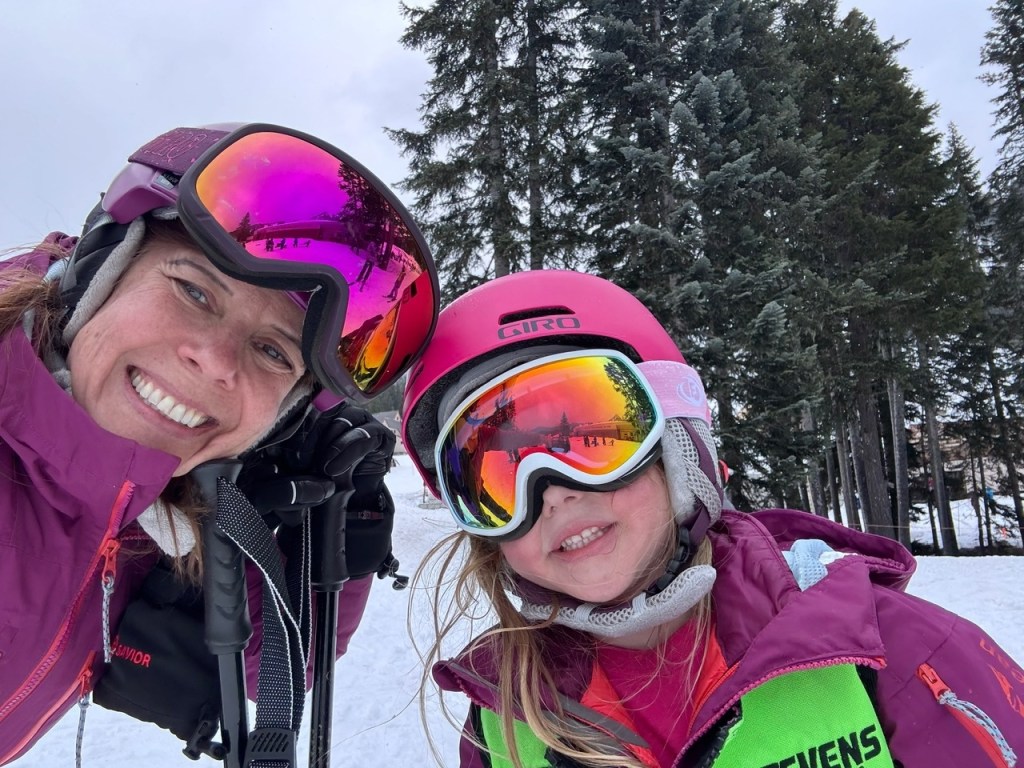
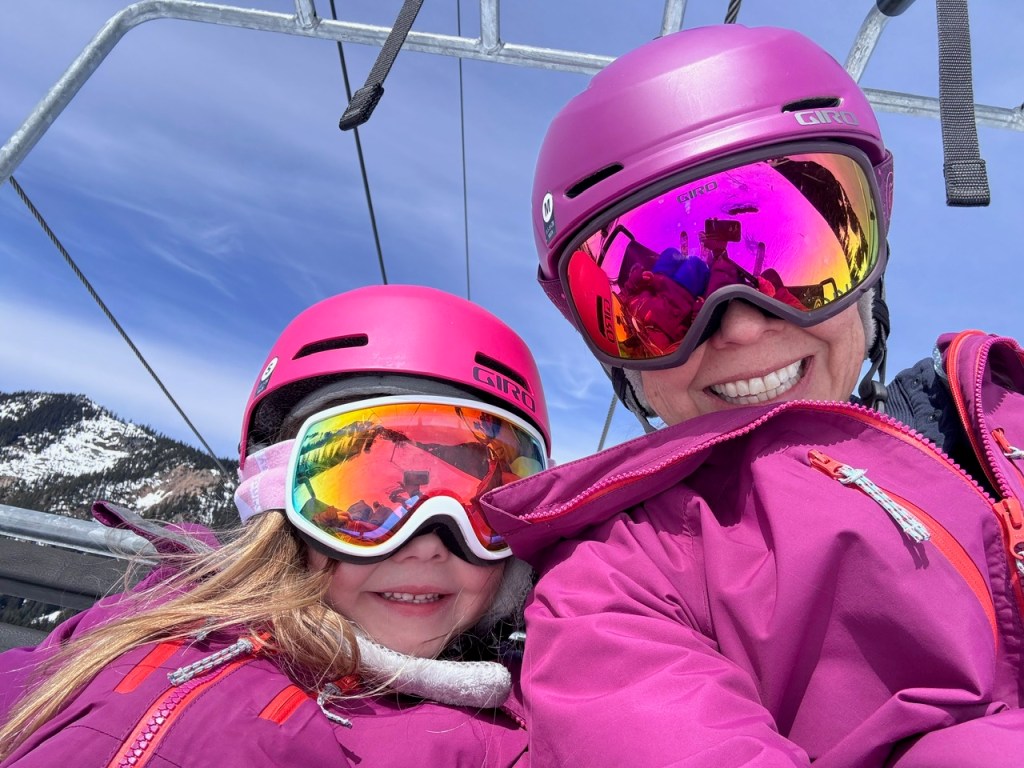
As ski season came to a close, I found myself skiing several times in the fog. Fog on the mountain can stir anxiety—especially when we’re used to orienting ourselves by the view of the bottom, the destination, the full path ahead. Anxiety, after all, is fear projected into a future we cannot clearly see. But in the fog, something shifted.

As I allowed myself to feel the anxiety and get curious about what was underneath it, I began to notice something unexpected: the gift of presence. My visibility narrowed to just a few feet ahead, and with it, my focus sharpened. I paid closer attention to the texture of the snow, the subtle shifts beneath me, the rhythm of each turn. I trusted that I had skied these paths before—that I had the capacity to navigate what was in front of me, even if I couldn’t see the entire way down.

What first felt disorienting became, in many ways, freeing. It wasn’t confidence born from certainty about the future. It was confidence rooted in trust, in my ability to meet the moment I was in, and my ability to face the fog and make it safely to the bottom, slowly perhaps, but surely. The fog didn’t remove the unknown; it simply invited me to stop trying to control it.

All I needed to do was recognize the anxiety, allow myself to feel it, and then choose how to relate to it, to see the fog not as an obstacle, but as a teacher, and to lean into my capacity rather than my fear. In doing so, in feeling, leaning into, and accepting, the anxiety softened. I stopped trying to control my arrival at the bottom of the mountain and instead focused on what was mine to navigate – this turn, this breath, this moment.

Perhaps the work is not just in weeding out what no longer serves us, but also in noticing what we are watering, and learning when to trust that what we’ve already grown within ourselves is enough to carry us forward. I’ve been embracing opportunities to step out of my comfort zone, try new things, and stare fear and anxiety in the face, after all practice builds habits and habits create who we become.

Reflective Questions ~

Inward: Insight & Awareness
1.     Where in your life right now are “weeds” quietly growing?
2.     What thought patterns or habits might be unintentionally watering them?
3.     When you feel anxiety, what future-focused story are you telling yourself?
4.     What skills, strengths, or experiences have you already cultivated that you may be underestimating?

Integrate: Intention & Choice

5. What would it look like to align your pace with what you can actually see and know right now?
6. How might you respond differently to anxiety if you viewed it as information rather than a problem to solve?
7. What are you trying to control that may not be yours to control in this moment?
8. What is one small, intentional step that is clearly available to you right now?

Impact: Living & Leading

9. How might greater presence change the way you make decisions this week?
10. Where could trusting yourself more reduce the urgency to “figure everything out”?
11. What would it mean to navigate this season skillfully, rather than perfectly?
12. If this “foggy” moment is teaching you something, what might it be inviting you to learn?

Quote(s) I’m pondering:

“You don’t have to control your thoughts. You just have to stop letting them control you.”

— Dan Millman

“Our anxiety does not come from thinking about the future, but from wanting to control it.”

— Kahlil Gibran

Podcasts I Listened To:

Manager Anxiety When It’s Your Daily Companion | Alice Boyes | Episode #304 | March 19, 2026

The Anxious Achiever | Morra Aarons-Mele

Is your anxiety something you need to eliminate or something you need to understand better? In this episode, I talk with psychologist Alice Boyes about the everyday patterns that can make anxiety worse. Alice shares why trying to control anxiety often backfires and how common traps like perfectionism, rumination, avoidance, and impulsive decision-making keep anxious high achievers stuck. We also break down ways to create distance from anxious thoughts, handle feedback without spiraling, and make better decisions. Tune in to learn how to work with your anxiety instead of constantly fighting it.

My notes:

Perfectionism response – more perfect and in control, backup plans

Rumination and overthinking – doesn’t often result in new ideas or creativity

Avoidance – causes interpersonal issues, as well

Other Signs of Anxiety – Anger and Resentment

If you don’t want to tolerate uncertainty, look for patterns…Achilles heel, recognize what your brain is doing and how it is trying to help, but doesn’t always take a helpful approach, or bring awareness to what is happening to act with intention.

“Board of Directors” – have other people who think differently and can offer new perspectives

Self-awareness is important – goal is to see how anxiety is impacting your decisions and to stop letting it control you behind the scenes

Break the Anxiety Habit with Dr. Jud Brewer and Charles Duhigg | Episode #310 | April 9, 2026

What if your anxiety isn’t just something you feel, but something you’ve been practicing? In this episode, I talk with psychiatrist Dr. Jud Brewer and Charles Duhigg about the science behind why anxiety sticks, how your brain confuses worrying with problem-solving, and why willpower alone isn’t enough to change your patterns. We break down how anxiety can become a habit loop and why so many high achievers unknowingly reinforce it through overwork, worry, and constant mental effort. Tune in to learn how to replace unhelpful patterns with ones that actually support your focus, energy, and mental health.

My notes: 

As a life-long learner and coach, I have embraced and practice what neuroscience has to offer us about habits, neuroplasticity, and rewiring the brain to promote the habits that support me in the person I am working to become. The idea that anxiety is a habit, spoke to me and made it something tangible to overcome with some reframing and adjustments to the neural pathways already there. In my blog post, The Gift of the Fog, I ponder these ideas of embracing and reframing anxiety to create presence and confidence, and in my LinkedIn series, I further explore the gifts of the fog, uncertainty, and threshold spaces. 

Insights that stood out from Dr. Jud Brewer – 

  1. Anxiety causes worry and worry shuts down our creativity but occasionally we come up with an idea or solution so we “learn” that worry is helpful.
  • The term and concept – False causal connection – the “anxiety habit loop” or more specifically, the “false sense of control.” 

Brewer argues that our brains create a false causal connection, assuming that because we worry, we are preparing for or controlling the future. He explains this with the following habit loop: 

  • Trigger – Uncertainty or challenging situation
  • Behavior – worrying
  • Reward – the false sense of control or the feeling that worrying is taking action, and is productive
  • Correlation vs. Causation: Brewer emphasizes that correlation does not equal causation when it comes to worrying and solving problems.
  • No evidence of Helpfulness: He points out that worry rarely helps; it actually makes it harder to think creatively or plan effectively
  • Habit Loop: Because the brain gets a momentary feeling of control (the false reward) it keeps repeating the habit, leading to more anxiety rather than solutions.
  • Curiosity is how we get to courage

Insights that stood out from Charles Duhigg – 

  1. Use neural pathways that exist to make change easier – reframe and leverage what you’ve got
  2. Burnout comes from overusing willpower muscle
  3. “Suffering comes from unmet expectations” (Richard Rohr) so adjust expectations 
  4. Habits can come from adjusting expectations
  5. We can build habits to make overcoming anxiety and reframing easier 

If you found these episodes enlightening, check out this one, A Mad Scientist’s Guide to Happiness: Arthur Brooks on Anxiety and Meaning.

Book I’m Reading: 

Unwinding Anxiety: New Science Shows How to Break the Cycles of Worry and Fear to Heal Your Mind by Judson Brewer, MD PhD

What Amazon has to Say:

New York Times and Wall Street Journal bestseller

A step-by-step plan clinically proven to break the cycle of worry and fear that drives anxiety and addictive habits

We are living through one of the most anxious periods any of us can remember. Whether facing issues as public as a pandemic or as personal as having kids at home and fighting the urge to reach for the wine bottle every night, we are feeling overwhelmed and out of control. But in this timely book, Judson Brewer explains how to uproot anxiety at its source using brain-based techniques and small hacks accessible to anyone. 

We think of anxiety as everything from mild unease to full-blown panic. But it’s also what drives the addictive behaviors and bad habits we use to cope (e.g. stress eating, procrastination, doom scrolling and social media). Plus, anxiety lives in a part of the brain that resists rational thought. So we get stuck in anxiety habit loops that we can’t think our way out of or use willpower to overcome. Dr. Brewer teaches us to map our brains to discover our triggers, defuse them with the simple but powerful practice of curiosity, and to train our brains using mindfulness and other practices that his lab has proven can work.

Distilling more than 20 years of research and hands-on work with thousands of patients, including Olympic athletes and coaches, and leaders in government and business, Dr. Brewer has created a clear, solution-oriented program that anyone can use to feel better – no matter how anxious they feel.

My Thoughts:

Unwinding Anxiety: Understanding the Spin – 

Anxiety has been steadily rising over the years. According to the American Psychological Association, top drivers include concerns about health and safety, finances, politics, and relationships, areas that carry both personal and collective uncertainty (2017, APA study on “Stress in America”).

At a neurological level, anxiety is deeply tied to how our brain tries to protect us. The prefrontal cortex (PFC), often called the “thinking brain,” is responsible for planning, creativity, and predicting the future based on past experience. It is designed to help us anticipate what’s next and choose wise action, but the PFC depends on accurate information.

When information is incomplete or uncertain, the brain doesn’t pause, it fills in the gaps. It begins to generate multiple scenarios, running “what if” loops in an effort to prepare and protect us. In this way, anxiety is often born not from what is, but from what we cannot yet know. The mind starts to spin stories of potential danger, and uncertainty fuels that spinning.

Fear, in its pure form, is adaptive. It helps us respond to real, immediate threats and learn from past experiences. Anxiety, however, is fear extended into the future without sufficient grounding. It becomes maladaptive when the brain continues to plan and predict in the absence of clarity, creating loops that amplify rather than resolve our sense of threat.

We can understand this through time scales (17):

  • Immediate (milliseconds): A reflexive survival response – moving out of harm’s way.
  • Acute (seconds to minutes): A learning response – processing what happened and how to avoid it in the future.
  • Chronic (months to years): Anxiety – when uncertainty persists, and the mind struggles to turn off the loop of anticipation and worry.

In today’s world, this is compounded. We often have an overwhelming amount of information but limited direct experience. The brain tries to reconcile the two, and in doing so, it can accelerate its predictions, faster and faster, without resolution. It begins to blur the line between planning and spinning.

Eventually, the system overloads. The PFC goes offline, and the amygdala (the brain’s threat detection center) takes over, triggering fight, flight, or freeze responses. What began as an attempt to think our way to safety becomes a physiological experience of danger.

Each uncertain data point can prompt the brain to generate more “what if” scenarios. Over time, these patterns can become encoded, making it easier for the mind to return to spinning, even when it isn’t helpful. Anxiety becomes a habit. 

This is why mental hygiene matters. Just as we care for our physical health, we need practices (habits) that support the health of our thinking and emotional systems. Without intention, anxiety can become something we inadvertently “water” through our habits of attention and interpretation.

The good news is that the brain is also capable of rewiring. While anxiety may begin with fear, it requires reinforcement to persist. By becoming more aware of our patterns and habits, and intentionally cultivating different responses, we can begin to interrupt the cycle.

Unwinding anxiety is not about eliminating fear. Confronting and transforming anxiety is about learning when to trust it, when to question it, how to return to the present moment where clarity, choice, and grounded action become possible again. Habits hold the key to taking charge and creating patterns that better serve our thinking and mental well-being.

Reflective Questions that came up for me…

  • When you feel anxiety rising, what uncertainty might your mind be trying to resolve?
  • How do you notice the difference between planning and spinning in your own thinking?
  • What kinds of information (or lack of information) tend to accelerate your “what if” loops?
  • When have you trusted your ability to navigate uncertainty rather than needing to predict it?
  • What practices help you return to the present when your mind moves too far into the future?

~

You can sign up to receive my Three Thoughts for Thursday post as an email on the third Thursday of every month by clicking here.  If you’ve missed any of my Three Thoughts, you can find them all on my blog.  If you enjoyed this post, take a look at my recap of 2025 in December’s Three Thoughts, and March’s Three Thoughts for Thursday. You may also be interested in reading some of my other recent blog posts like the four-part Lessons of the Run series –Endurance, Resilience, Rest, and Grit. Take a look at my latest post, The Gift of the Fog, and “YOU are the MISSING Piece!” 

If you are interested or know someone who may be interested, I also offer leadership and emotional intelligence coaching and workshops. You can find more information on my website, or you can use this link to set up a free 30-minute introduction to coaching session.
 
As I mentioned, the stroke I had in February 2018 was a pivotal event and valuable turning point in my life; you can read more in my commemorative post. Please join me in celebrating these milestones, turning points, and calls to “winter,” by taking time to celebrate your own milestones and by fully embracing the opportunities in front of you, the value in the little things, and the beauty that surrounds you in this wonderful, messy life. I will forever be grateful for my stroke and the path of integrity I found in its wake.

I have partnered with my fellow Education and Coaching colleague, Dr. Joan Flora, to offer a new experience we are calling The Empathy & Attunement Studio. This new endeavor seeks to create space to take emotions and experiences to the “studio” to build and practice new tools and create new outcomes in emotionally charged conversations and relationships. This space explores emotions and their purpose, the information they hold about our human needs, and how we can learn to respond with intention and integrity instead of reacting and regretting. We are offering monthly Open Houses and Studio Practice Space where you can learn more and dive into creating new outcomes.
 
Over the course of the last two years, I’ve hosted a few local, in-person events here in the Seattle area, like Savor the Sweetness and the Serenity Retreat. The Serenity Retreat was another success! This relaxing and delightful event took place again June 14, 2025; learn more! Savor the Sweetness took place again September 20, 2025, and was also divine! I’m excited to play more in these spaces of creating opportunities for connection and reflection If you are interested in such local events, please contact me with any questions, or to join the invite list for future events!
 
I have the privilege of hosting the Emotional Intelligence Special Interest Group for ICFLA.  We kicked off our 2025 explorations and learning journey on February 25th with guest Dr. J.D. Pincus of AgileBrain, who walked us through The LA Wildfires through the Lens of Emotional Needs: Coaching in Times of Loss.   On Tuesday, June 24th, we both revisited and explored emotional intelligence in coaching through our topic, Emotional Intelligence Foundations for Coaching and Workplace Impact, with guest Maribel Hines, MBA, SPHR, CPLP. Maribel offered her insights, wisdom, and perspective through her in-house leadership and coaching and EQ practitioner lens. It was a great session as we translated theory and emotional intelligence into action and impact! Our August 26th session with Dr. Joan Flora focused on From Reactivity to Resilience: Coaching to Soften Reactivity and Strengthen Resilience. Our final session for the year was on Tuesday, October 28th, with guest speaker, Nicole Venner, who created space to explore, discuss, and practice ways of holding space for Emotional Intelligence in Threshold Spaces. 

Please consider joining us for the ICFLA EI SIG in 2026! We began the 2026 series on February 24th with Re-grounding Coaching in Emotional Intelligence: Foundations That Deepen Presence, Insight, and Impact. In April, Elena Sarango-Muniz will be joining us to share on the topic of The Art of Approachability – Build Bridges, Create Connections, Unlock Possibilities. Please join us April 28th by registering here.
 
If you are interested in joining and co-creating these learning communities, please use the links above to learn more about ICFLA’s Emotional Intelligence Special Interest Group, BrainByDesign, and the Women’s Events. I hope you will come along for the journey!
 
I’m always looking for new inspiration, new books to read, and new podcasts to listen to, so please send your suggestions my way or comment on this post to offer some new recommendations! 

As always, thank you for your continued support and readership! Stay strong, stay brave, stay true to you!
 
Wishing you a season filled with adventure, presence, confidence, faith and trust that whatever may come, you will have what it takes to navigate and the resources to thrive! May you embrace opportunities to face fear and say “no” to anxiety! Thank you for being part of my journey.

  • featured
  • Parents and Children
  • Three Thoughts for Thursday

The Gift of the Fog

Desiree Briel Rodi Consulting & Coaching's avatar Desiree Briel Rodi Consulting & Coaching April 1, 2026

I was skiing recently on a day that had wrapped the mountains in fog. I have come to observe here in the Pacific Northwest, that fog on the slopes can be both beautiful and deeply disorienting. It softens the edges of the mountain, quiets the noise, and turns the world into shades of white and gray. It also obscures what lies ahead. I usually avoid the runs swallowed by fog and save them for later in the day, hoping the sky will clear and visibility will return.

One run didn’t look so foggy from below, so I hopped on the lift and made my way up. It wasn’t until I was on the lift that I realized my view from the bottom wasn’t reliable, either. As I rode higher, visibility shifted. At moments I could see clearly and observe patches of blue in the distance. At other times, everything dissolved into a blur of white. And yet, still in the distance, there were patches of blue sky.

When I stepped off the lift and began my descent, I had to change my approach to descending the mountain. It was in this approach, my lens shifted and I saw both the challenges and gifts of the fog. I slowed down, not because anyone told me to, nor because I was incapable. I slowed down because I could only see the path immediately in front of me. 

It was in that narrowing of vision, that my mind paused and realized that I noticed more. I felt the texture of the snow beneath my skis. I paid attention to subtle shifts in terrain. I sensed my body more clearly. I paused occasionally, not out of fear, but to take in what was visible and to carefully choose my next move, to reassess my location and my plan. The fog prevented me from charging ahead or focusing my view down the mountain, into the future. It kept me from skiing toward a horizon I couldn’t actually see, from making a mistake in the present because my eye was focused too far ahead

The gift of the fog was presence. It prevented me from getting too far ahead of myself, from racing toward imagined turns, unseen obstacles, or distant markers of progress. The fog forced me into what was immediately here. Ironically, the very thing I thought might cause me to stumble, this limited visibility, was the thing that reduced my likelihood of falling. I wasn’t skiing toward what I couldn’t see, I was skiing with only the knowledge of what I could see.

We tend to think clarity means seeing far into the distance – five-year plans, career trajectories, strategic roadmaps. We equate confidence with speed toward the goal. We assume that if we cannot see what’s coming, something must be wrong. 

The definition of anxiety is living too far in the future, worrying about a future that we can’t accurately predict. So, what if fog is not an interruption of progress, but an invitation to be present, to release anxiety and trust the path will unfold before us?

Fog slows us down. It narrows our focus to the next turn rather than the entire mountain. It heightens awareness. It asks us to trust the skills we’ve already built to navigate the unknown rather than the certainty or control we wish we had.

In leadership, in parenting, in transitions, in research, in career moves, there are seasons of fog, of uncertainty, discomfort and unknowing. There are moments when the horizon disappears and the path forward looks shorter than we would like and we find ourselves uncertain, uncomfortable, and even afraid. Our instinct is often to wait it out, to avoid movement until visibility improves.

Sometimes the fog is the teacher. Fog reminds us that control is limited, control is a mirage, in fact. We learn in the fog that speed is optional, awareness is protective, and presence is stabilizing. Fog, if we acknowledge and embrace it, keeps us from stumbling not by revealing everything ahead, but by anchoring us exactly where we are. Perhaps clarity is not always about distance. Perhaps it is about presence and depth. One step at a time is the answer.

Reflective Questions:

Inward: Insight & Intuition

  1. Where in your life right now does it feel foggy?
  2. What is your default response to limited visibility — speed up, freeze, avoid, or slow down?
  3. What skills have you already developed that you may be underestimating in this season?
  4. What might the fog be protecting you from?
  5. What details are you noticing now that you might miss in a season of full visibility?

Integrate: Integrity & Intention

  1. Are you trying to move at a pace that no longer matches your current clarity?
  2. What would it look like to align your speed with your visibility?
  3. Where might slowing down increase wisdom rather than decrease momentum?
  4. How are your values guiding your next turn — even if you can’t see the entire run?
  5. What small, intentional step is visible to you right now?

Impact: The Outcome/Experience You Want

  1. How might presence, rather than projection, change your decisions?
  2. What if the goal is not to eliminate the fog, but to move skillfully within it?
  3. Where could greater awareness prevent future stumbling?
  4. What kind of leader, parent, partner, or human are you becoming in this season of limited visibility?
  5. If clarity returns tomorrow, what might you be grateful you learned in the fog?
  • featured
  • Parents and Children
  • Three Thoughts for Thursday

Weeding Season ~ Three Thoughts for Thursday ~ March 2026

Desiree Briel Rodi Consulting & Coaching's avatar Desiree Briel Rodi Consulting & Coaching March 19, 2026

Before you can plant a garden, you must first clear the weeds and prepare the soil. What do you need to clear to prepare for your growth this season?

Read More "Weeding Season ~ Three Thoughts for Thursday ~ March 2026"

  • featured
  • Parents and Children
  • Three Thoughts for Thursday

Creating through the Lens of Love and Joy – February 2026 – Three Thoughts for Thursday

Desiree Briel Rodi Consulting & Coaching's avatar Desiree Briel Rodi Consulting & Coaching February 19, 2026

~ Creating love and joy ~

I’ve observed that sometimes love and joy seem to simply happen — as if I’ve stumbled into them and they’ve greeted me along the path, a lucky happenstance. But as I’ve grown older, I’ve learned something deeper: I don’t just have to wait and hope to encounter love and joy — I can create them. I can pour into them. I can love joyfully and joyfully love.

Love and joy are cyclical. I live in and with them. I exude them. I intentionally cultivate them. And they expand. I can create my experience. For those of you who bake, it’s a bit like feeding a sourdough starter — nurture it, tend it, give it attention, and it grows.

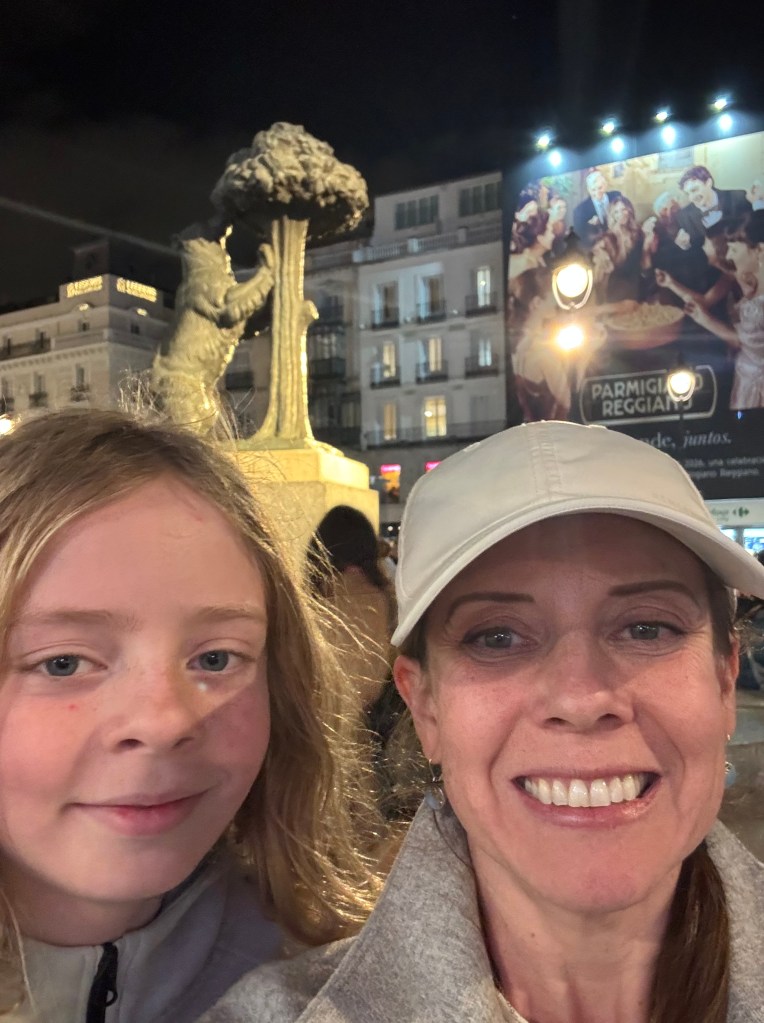
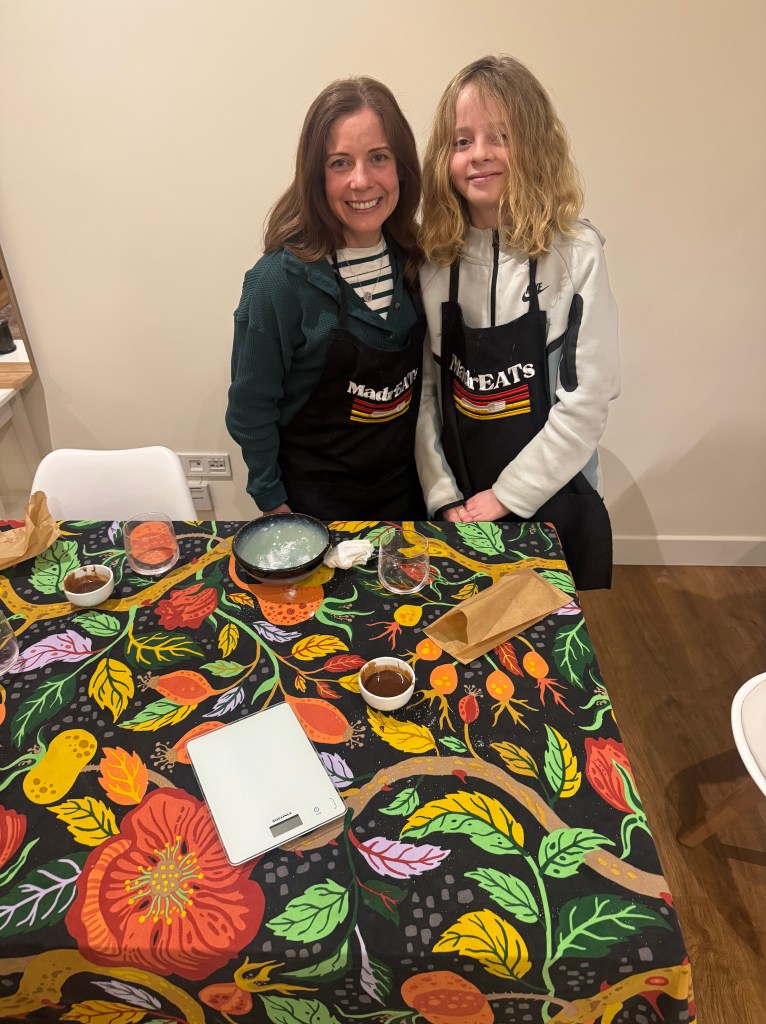
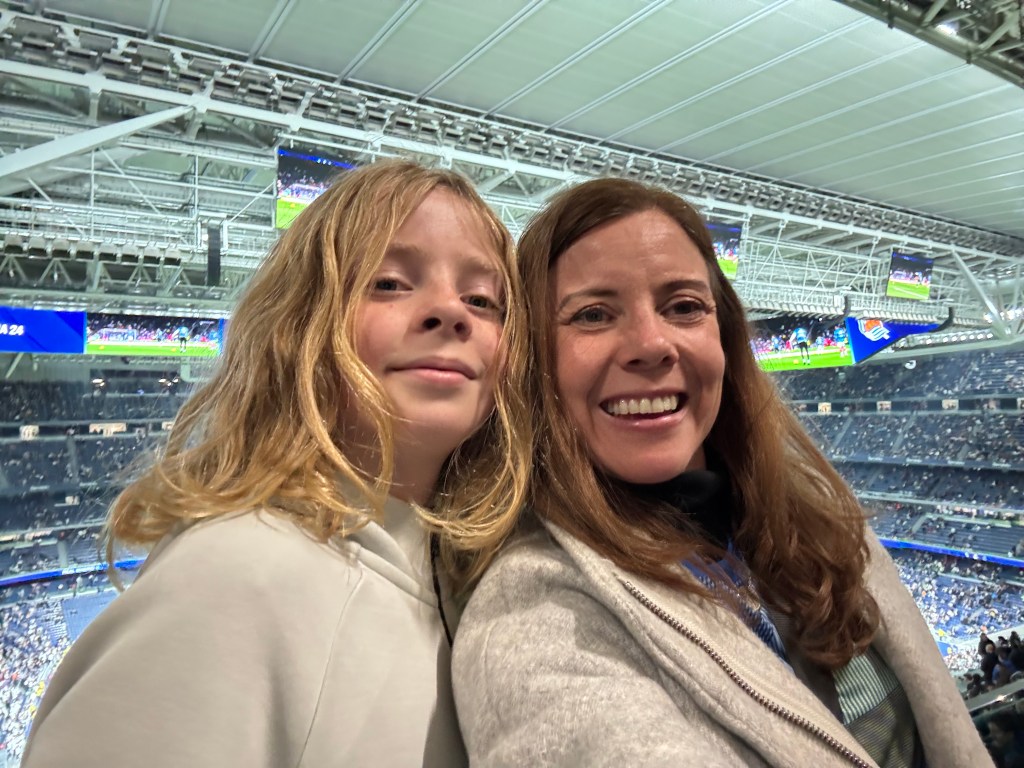
I’ve been in Madrid with my middle child and youngest son, Will, introducing him to international travel as part of his 10th-year journey; what a gift to have this adventure with him! Love and joy inspired this trip, and each moment has been curated with those values at the center. He chose Madrid because of his love for soccer — the joy it brings him tipped the scales for me. “Absolutely,” I said. “Let’s go watch soccer in Madrid.”

Spain also holds love for me. Covarrubias is my mother’s family name, and Spain carries both ancestral roots and cherished memories. It was the destination of my second journey abroad 27 years ago, traveling with my dear high school Spanish teacher — a woman who still holds a special place in my heart.

As many of you know, I’ve been on a mission — one that has become simply the way I move forward — to intentionally create a life filled with love and joy. Travel. Art. Food. Relationships. Learning. With clarity about my values, vision, and mission, I now plan accordingly. I leverage my resources to build the life I want to live.

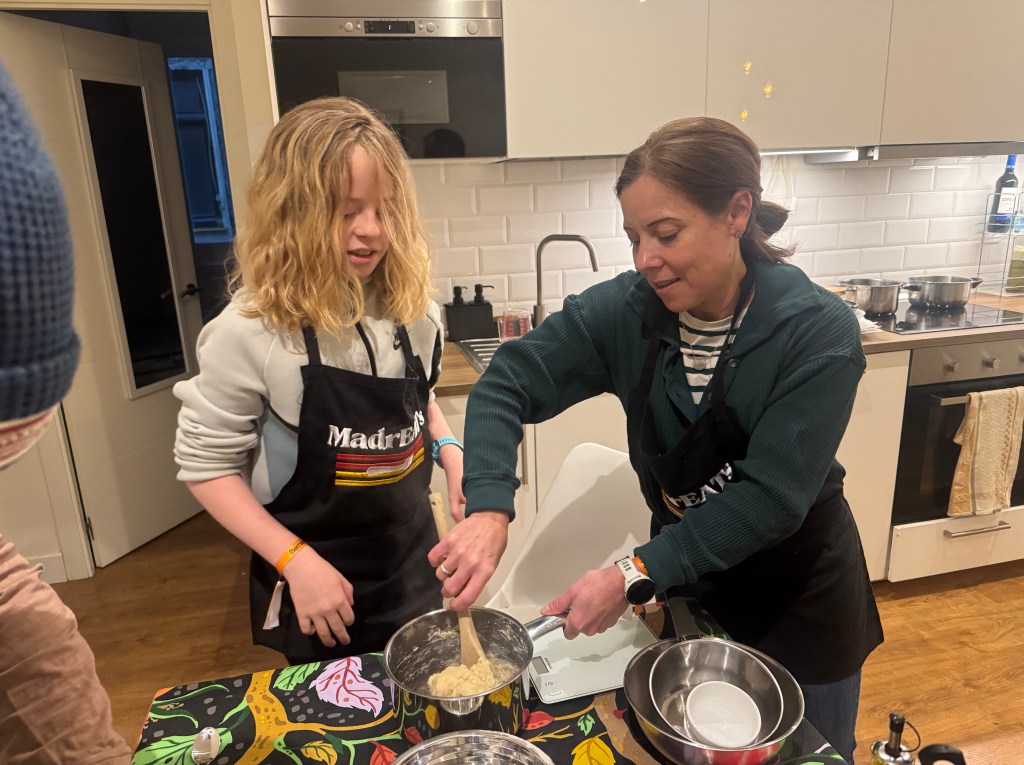
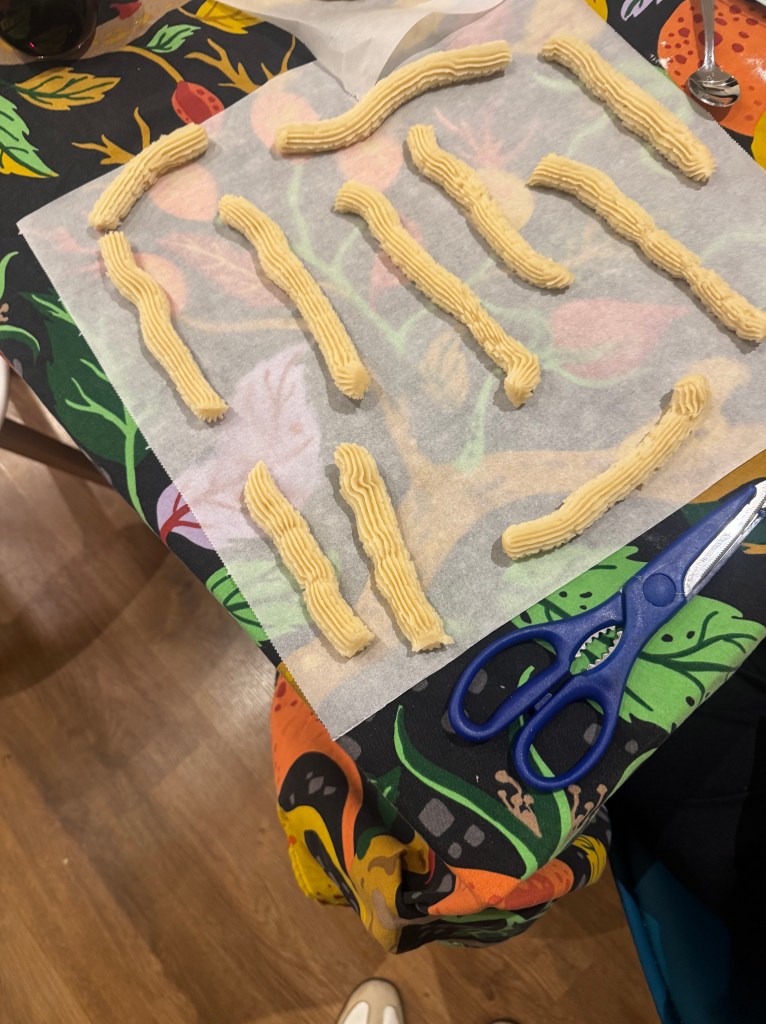
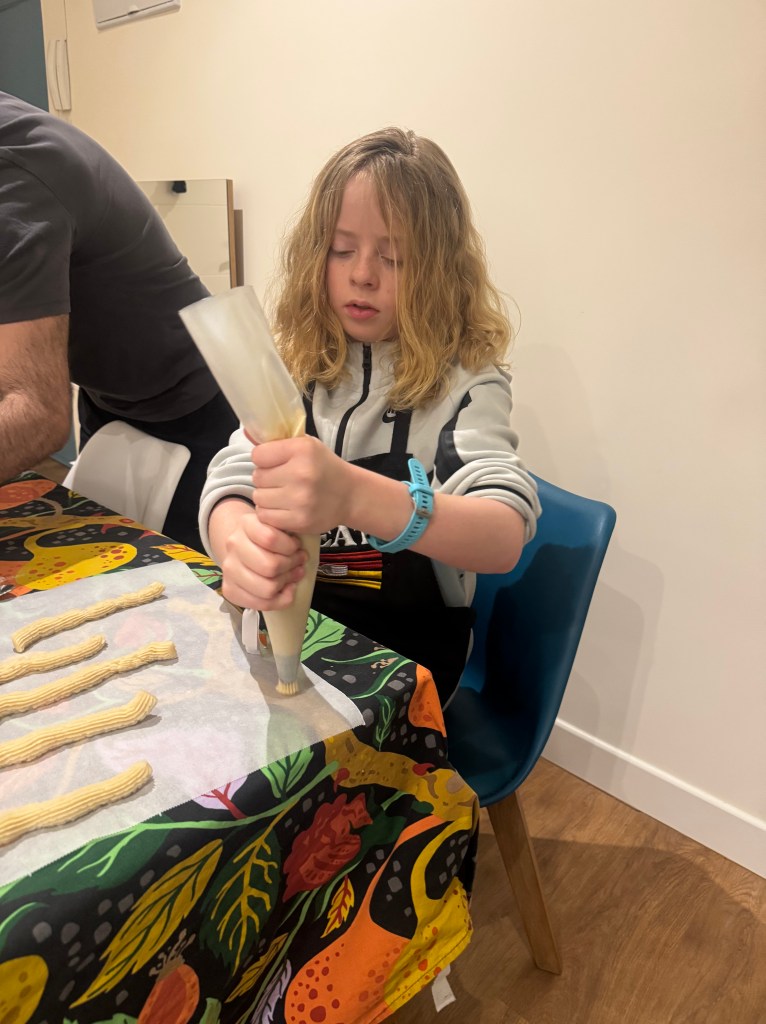
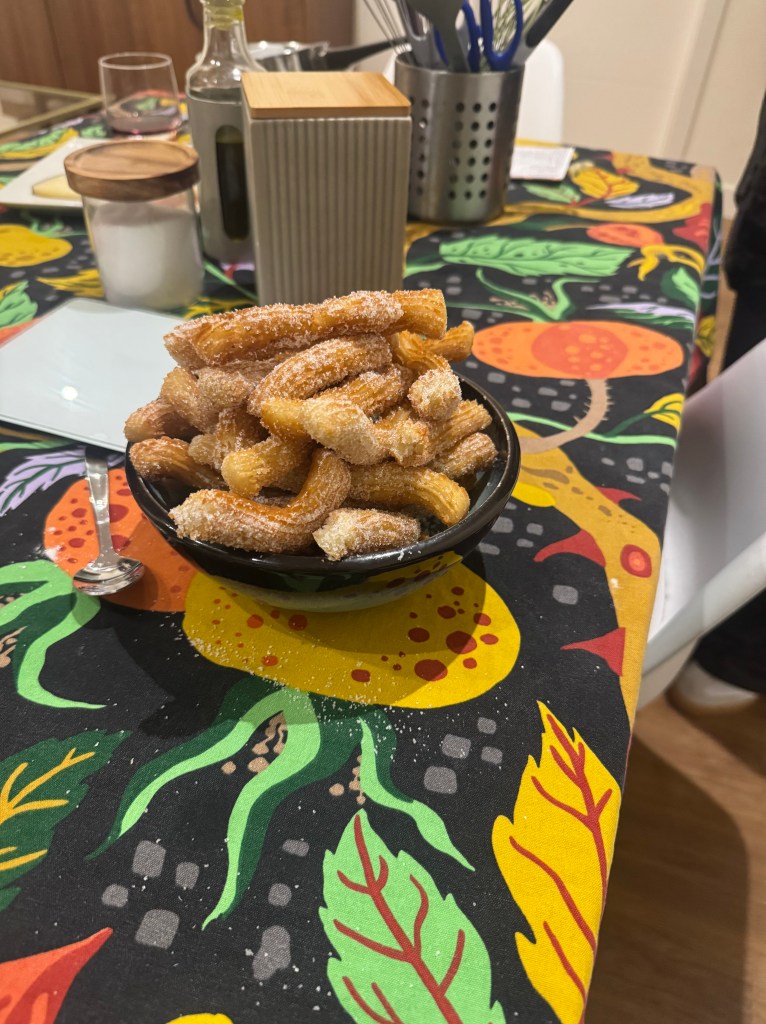
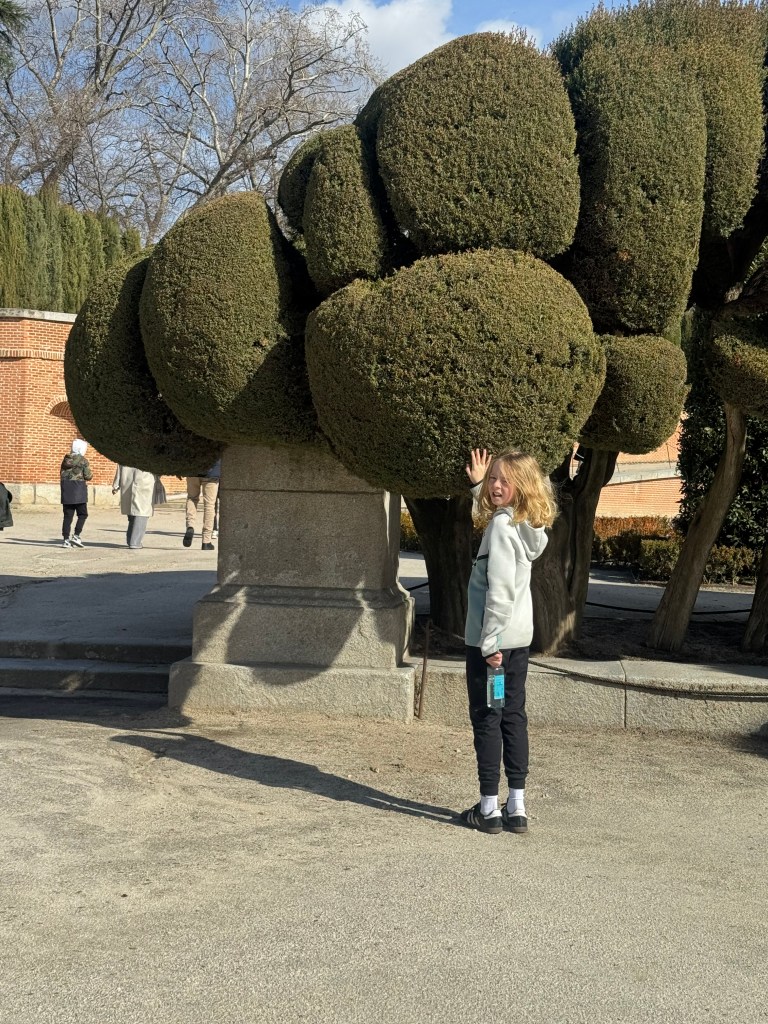
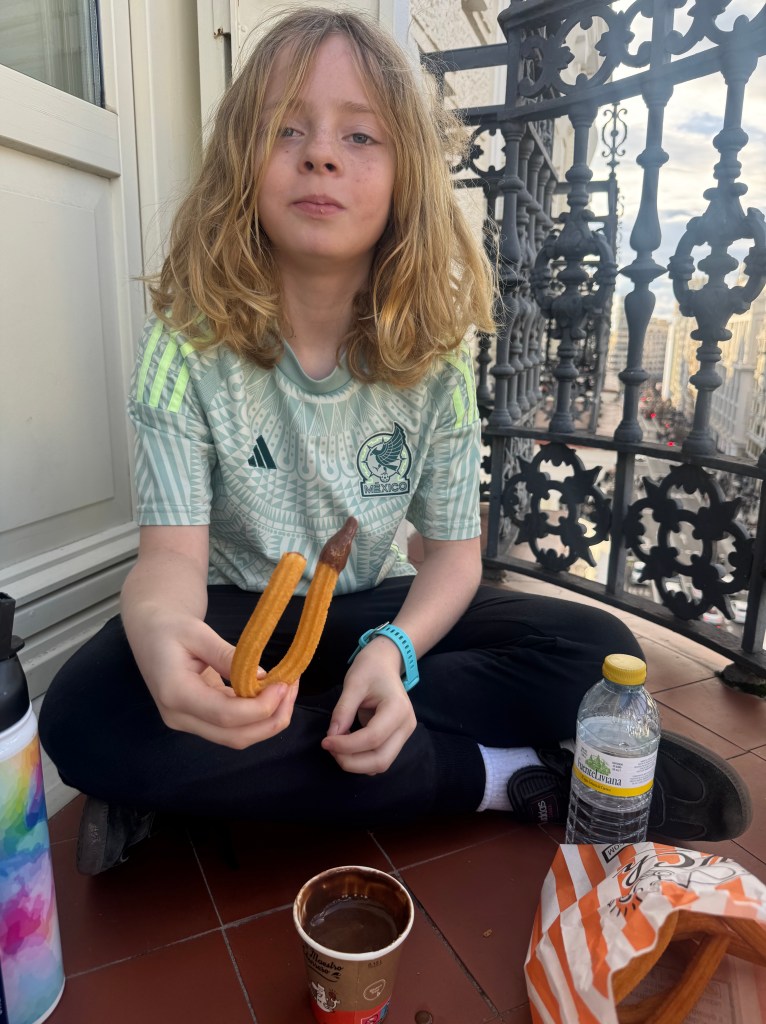
What a gift to share this adventure with my son. To create memories rooted in exploration and connection. We toured the Estadio Santiago Bernabéu and learned to make churros y chocolat. We wandered Plaza Mayor, visited the Palacio Real, strolled through the Jardines de Sabatini, and stood before the Templo de Debod — an Egyptian temple from the 2nd century BC, gifted to Spain in 1968.

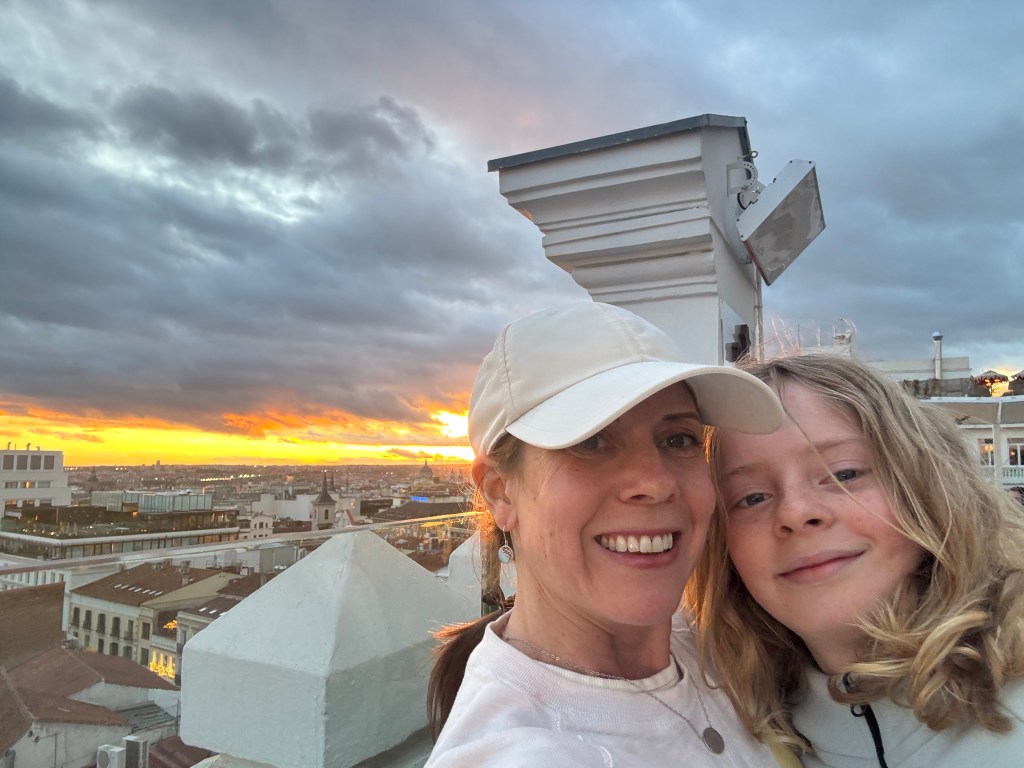
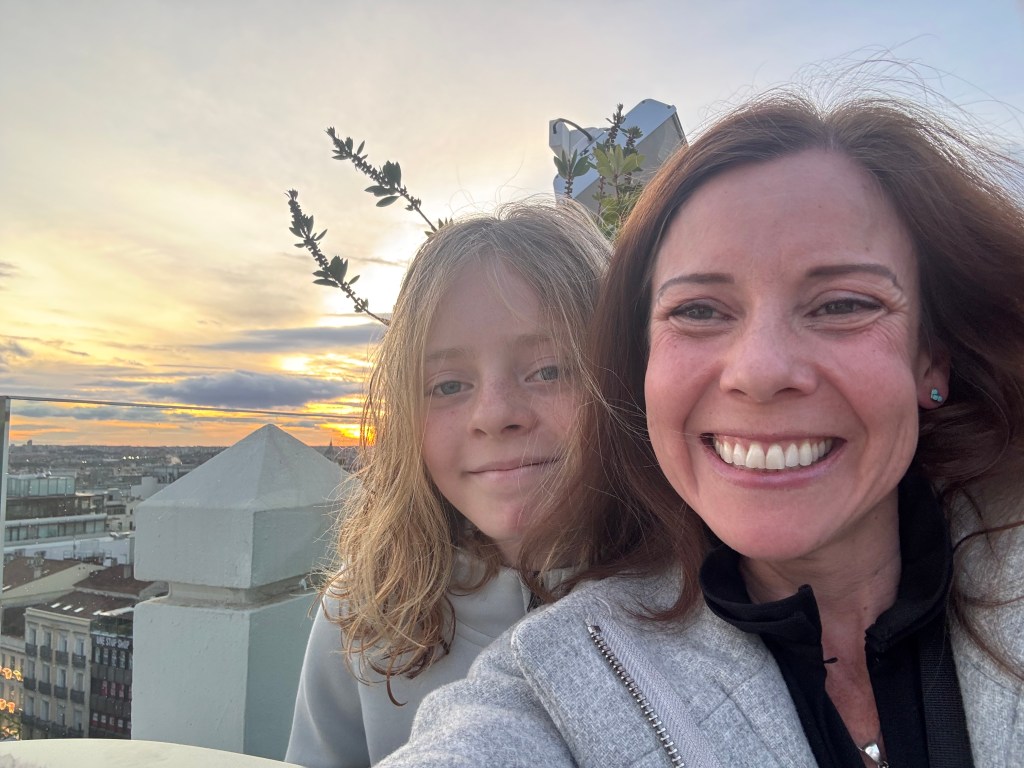
We watched Real Madrid defeat Real Sociedad 4–1. We successfully navigated the metro (with only a few minor hiccups). We admired masterworks at El Prado and wandered through the beauty of Parque del Retiro. Each evening, we caught sunset from the rooftop patio.

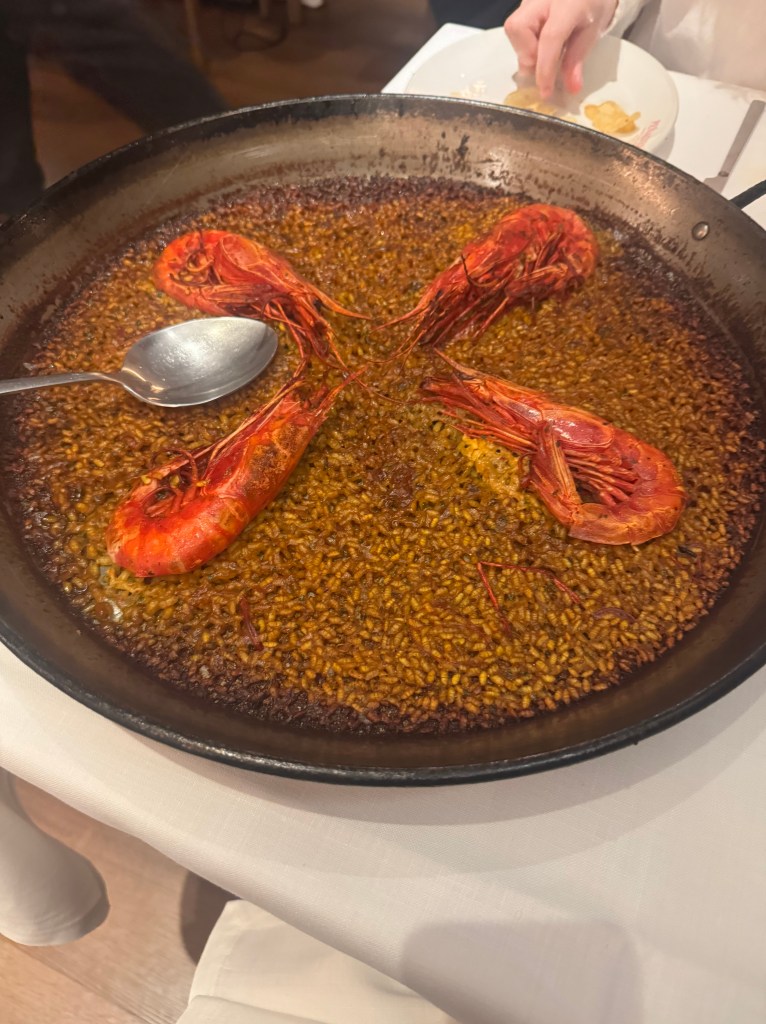
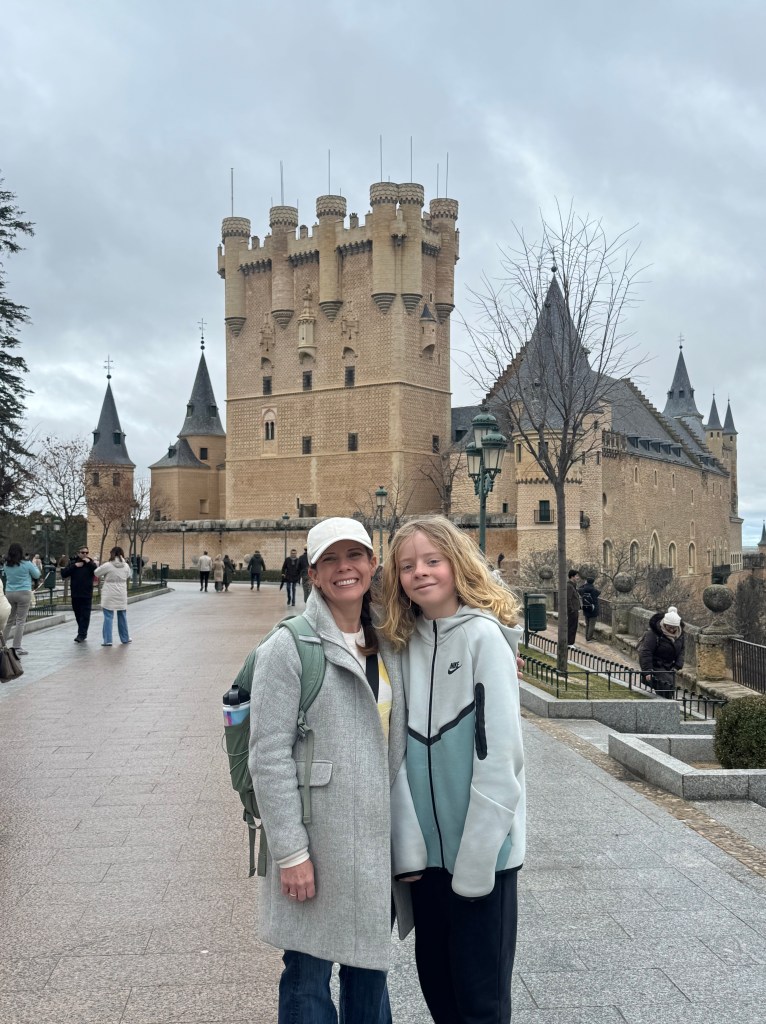
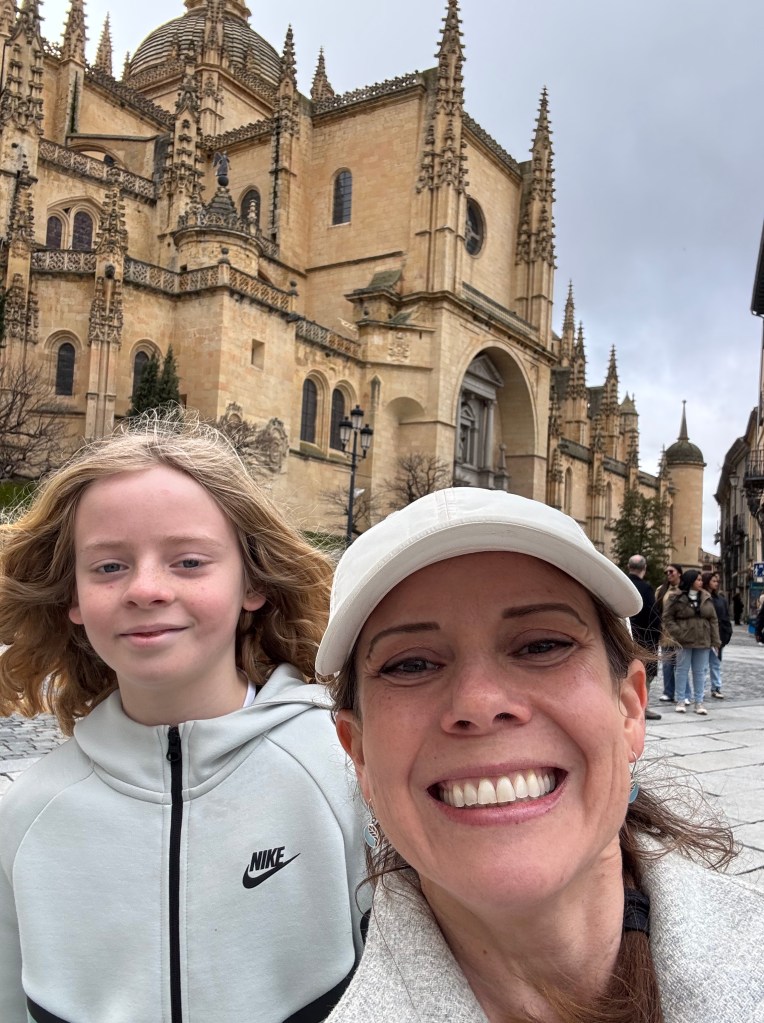
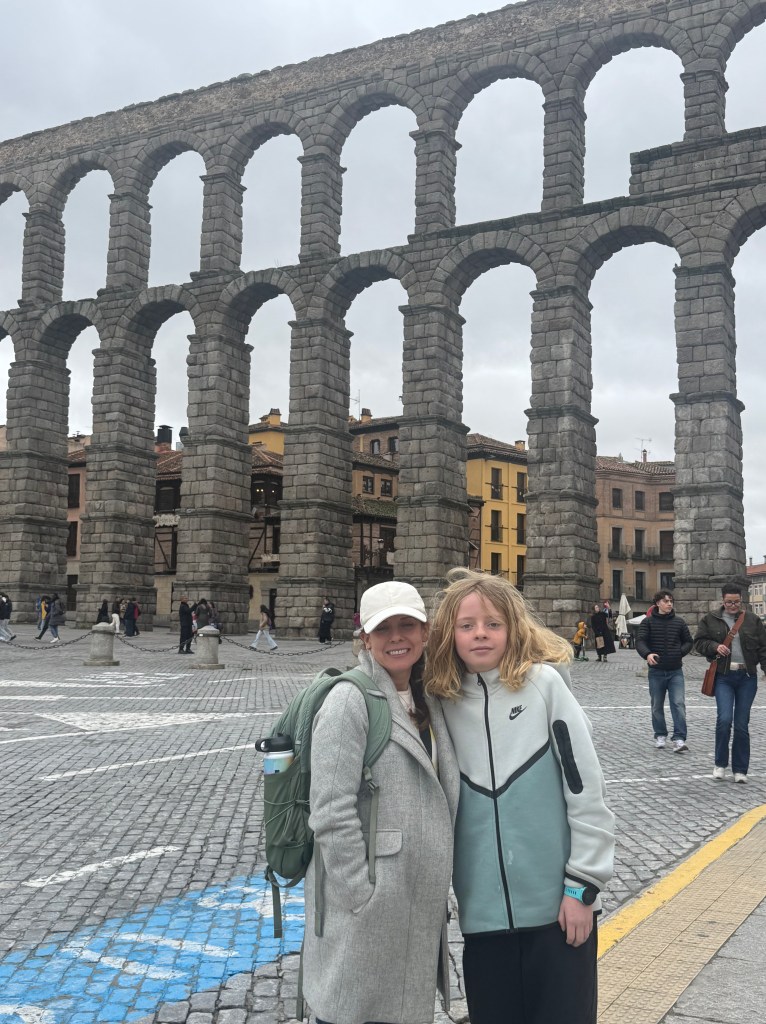
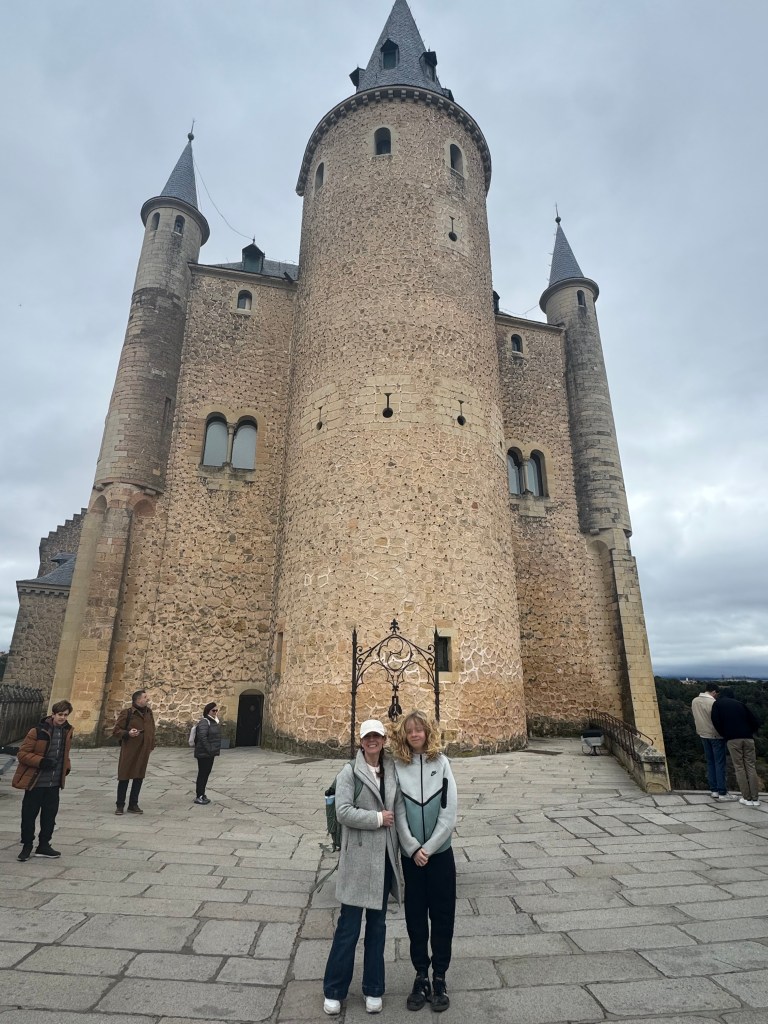
We shared paella de camarones at La Taberna Peñalver. We took a high-speed train to Segovia with our guide Antonio and stood in awe before the Roman aqueducto. We explored the Alcázar — the castle of Queen Isabella and King Ferdinand — and visited the cathedral where Isabella was proclaimed queen. We savored one last sunset, one last dinner, one last round of churros y chocolat, one final wander through the city, one last sunrise at Puerta del Sol.

It was incredible.

And part of what made it truly incredible was presence — the ability to savor each morsel of love and joy. Created with love and joy. Experienced with love and joy. Filled with love and joy.

Love and joy are not accidents. They are practices. They are investments. They are generative.

And when we choose them intentionally, they multiply.

Questions for Reflection:

  1. When in my life have love and joy felt like “happenstance,” and when have I intentionally cultivated them? What was different about my mindset or actions?
  2. What values were guiding me in my most meaningful recent experiences? How clearly do I name and prioritize those values?
  3. Where in my life am I waiting for joy to appear instead of consciously creating it?
  4. What emotions arise when I slow down enough to savor a moment? What do those emotions teach me about what matters most?
  1. What practices help me stay present enough to truly savor experiences rather than rush through them?
  2. When stress, distraction, or negativity show up, how do I respond? What would it look like to intentionally “feed the sourdough starter” of love and joy instead?
  3. How do I plan and leverage my time, energy, and resources in alignment with my values?
  1. How do the people I love experience joy? What lights them up — and how often do I notice and honor that?
  2. In what ways do I attune to beauty, wonder, or meaning through someone else’s eyes (a child, a partner, a colleague)?
  1. How do I actively create shared experiences of love and joy in my relationships?
  2. What memories am I intentionally building with the people I care about? What future joy am I investing in today?
  3. How can my presence — not just my plans — become a gift to others?

Quote(s) I’ve Been Pondering:

“It is only with the heart that one can see rightly; what is essential is invisible to the eye.”

~ Antoine De Saint-Exupery ~

“You’ll see the world 

And you’ll come to learn 

That falling in love is a strange work of art

All of your battles will shape who you are

And know that your scars are my favorite part

I want you to know this”

~ Girl, SYML

Book I’ve Read: 

The Power of Regret: How Looking Backward Move Us Forward

By Daniel H. Pink

My Key Takeaways:

Daniel Pink reframes regret not as something to avoid, but as something to harness. What struck me most is his argument that regret, when approached honestly, offers three powerful benefits: it sharpens our decision-making, elevates our performance, and strengthens our sense of meaning and connection (42). “Its very purpose is to make us feel worse – because by making us feel worse today, regret helps us do better tomorrow.” Regret, in other words, is not weakness. It is data. It is guidance. It is refinement.

And yet, our brains complicate this process. Pink notes that “our brains play a double trick on us” — we overvalue the present and undervalue the future, and then fail to recognize the nonlinear, compounding effects of our choices (91). We discount the long game. We minimize the quiet accumulation of habits. And often, we wake up to regret only after the compounding has already occurred.

One of the most clarifying distinctions Pink offers is between disappointment and regret. Disappointments exist outside our control. Regrets, in contrast, are our responsibility (94). That difference matters. Regret carries agency within it. If it was ours to shape, it is ours to reshape.

And perhaps most haunting are the regrets of inaction. Research from Gilovich and Medvec suggests that inactions stay more “alive, current, and incomplete” than actions (104). As Ogden Nash wrote:

“It is the sin of omission, the second kind of sin,
That lays eggs under your skin.”

The consequences of action are concrete and limited. The consequences of inaction are abstract and unbounded (105). They incubate speculation. They whisper what if. They expand over time.

Which brings us to boldness.

“Authenticity requires boldness,” Pink writes (109). When we silence ourselves, when we avoid risk, when we choose comfort over alignment, growth is thwarted. Sometimes the most courageous act is using one’s voice in ways that might unsettle others but clear a new path for oneself.

Pink’s framework for the deep structure of regret (150) was especially powerful to me. Beneath the surface, regrets reveal universal human needs:

THE DEEP STRUCTURE OF REGRET (p. 150)

 What it Sounds LikeThe Human Need it Reveals
FoundationIf only I’d done the work.Stability
BoldnessIf only I’d taken the riskGrowth
MoralIf only I’d done the right thingGoodness
ConnectionIf only I’d reached outLove

Regret, then, is not random. It points to what we value most.

And here is where I felt both sobered and encouraged: “The best time to plant a tree is twenty years ago. The second-best time is today” (93). Regret can either calcify into shame — or catalyze action. The door is not closed. It is simply later than we expected.

One of my favorite metaphors in the book is kintsugi — the Japanese art of repairing broken pottery with gold. The cracks are not hidden. They are illuminated. The vessel becomes more beautiful because of the break.

“What’s true for ceramics can also be true for people.”

If your heart has broken, it means you cared. If you regret, it means you aspired. The cracks are not proof of failure — they are evidence of aliveness. As Leonard Cohen wrote, “There is a crack in everything, that’s how the light gets in.” Pink echoes this idea: the cracks offer a glimpse of the good life.

Regret, when faced honestly, does not diminish us.
It clarifies us.
It refines us.
It calls us toward growth, goodness, stability, and love.

And perhaps the invitation is this:

Instead of asking, How do I avoid regret?
We might ask, What is this regret trying to teach me — and what will I do differently going forward?

What Amazon has to Say:

“The world needs this book.” — New York Times bestselling author Brené Brown 

An instant New York Times bestseller

Named a Best Book of the Year by NPR and Financial Times

From the #1 New York Times–bestselling author of When and Drive, a new book about the transforming power of our most misunderstood yet potentially most valuable emotion: regret.

Everybody has regrets, Daniel H. Pink explains in The Power of Regret. They’re a universal and healthy part of being human. And understanding how regret works can help us make smarter decisions, perform better at work and school, and bring greater meaning to our lives.

Drawing on research in social psychology, neuroscience, and biology, Pink debunks the myth of the “no regrets” philosophy of life. And using the largest sampling of American attitudes about regret ever conducted as well as his own World Regret Survey—which has collected regrets from more than 15,000 people in 105 countries—he lays out the four core regrets that each of us has. These deep regrets offer compelling insights into how we live and how we can find a better path forward.

As he did in his bestsellers Drive, When, and A Whole New Mind, Pink lays out a dynamic new way of thinking about regret and frames his ideas in ways that are clear, accessible, and pragmatic. Packed with true stories of people’s regrets as well as practical takeaways for reimagining regret as a positive force, The Power of Regret shows how we can live richer, more engaged lives.

Podcast I’ve Listened To:

Seeing the Light in Each Other

Tara Brach | December 18, 2025

This talk explores how to see past the mask of personality and glimpse the sacred goodness shining through each person we meet. As we become mirrors of this goodness, we help one another trust the divine essence that connects us all. 

My thoughts and takeaways:

I listened to this podcast through the lens of these ideas — seeing scars as history, as information, as beauty. I found myself asking what it would mean to look at others through the lens of love and joy, to search intentionally for the inner goodness and light that may not be immediately visible.

What happens when we allow our own goodness to shine first? When we look beyond the exterior – beyond the armor, the missteps, the sharp edges – and instead see the human needs underneath? When we recognize that scars are evidence of living, of caring, of trying, of being human – and that light often slips through the cracks?

How might our relationships shift if we chose, again and again, to look for the light in one another? If we approached each interaction assuming there is goodness there – even if it’s hidden, even if it’s bruised? What kind of conversations, communities, and connections might become possible if we led not with judgment, but with curiosity and reverence for the whole, imperfect, luminous human in front of us?

~

You can sign up to receive my Three Thoughts for Thursday post as an email on the third Thursday of every month by clicking here.  If you’ve missed any of my Three Thoughts, you can find them all on my blog.  If you enjoyed this post, take a look at my recap of 2025 in December’s Three Thoughts, and my January’s Three Thoughts for Thursday. You may also be interested in reading my four-part Lessons of the Run series –Endurance, Resilience, Rest, and Grit. Take a look at my latest post, “YOU are the MISSING Piece!” and stay tuned for an update to this piece, along with a recent and new 5th Lesson of the Run – Humility and Adaptability! 

If you are interested or know someone who may be interested, I also offer leadership and emotional intelligence coaching and workshops. You can find more information on my website, or you can use this link to set up a free 30-minute introduction to coaching session.
 
As I mentioned, the stroke I had in February 2018 was a pivotal event and valuable turning point in my life; you can read more in my commemorative post. Please join me in celebrating these milestones, turning points, and calls to “winter,” by taking time to celebrate your own milestones and by fully embracing the opportunities in front of you, the value in the little things, and the beauty that surrounds you in this wonderful, messy life. I will forever be grateful for my stroke and the path of integrity I found in its wake.

I am currently partnering with my fellow Education and Coaching colleague, Dr. Joan Flora, to offer a series on Resolving Emotional Reactivity. This series explores emotions and their purpose, the information they hold about our human needs, and how we can learn to respond with intention and integrity instead of reacting and regretting. We are offering monthly Open Houses to learn more.
 
Over the course of the last two years, I’ve hosted a few local, in-person events here in the Seattle area, like Savor the Sweetness and the Serenity Retreat. The Serenity Retreat was another success! This relaxing and delightful event took place again June 14, 2025; learn more! Savor the Sweetness took place again September 20, 2025, and was also divine! I’m excited to play more in these spaces of creating opportunities for connection and reflection If you are interested in such local events, please contact me with any questions, or to join the invite list for future events!
 
I have the privilege of hosting the Emotional Intelligence Special Interest Group for ICFLA.  We kicked off our 2025 explorations and learning journey on February 25th with guest Dr. J.D. Pincus of AgileBrain, who walked us through The LA Wildfires through the Lens of Emotional Needs: Coaching in Times of Loss.   On Tuesday, June 24th, we both revisited and explored emotional intelligence in coaching through our topic, Emotional Intelligence Foundations for Coaching and Workplace Impact, with guest Maribel Hines, MBA, SPHR, CPLP. Maribel offered her insights, wisdom, and perspective through her in-house leadership and coaching and EQ practitioner lens. It was a great session as we translated theory and emotional intelligence into action and impact! Our August 26th session with Dr. Joan Flora focused on From Reactivity to Resilience: Coaching to Soften Reactivity and Strengthen Resilience. Our final session for the year was on Tuesday, October 28th, with guest speaker, Nicole Venner, who created space to explore, discuss, and practice ways of holding space for Emotional Intelligence in Threshold Spaces. 

Please consider joining us for the ICFLA EI SIG in 2026! We begin the series on February 24th with Re-grounding Coaching in Emotional Intelligence: Foundations That Deepen Presence, Insight, and Impact.

I have also joined forces with James Garrett at BrainByDesign, where I have had the distinct privilege of working with colleagues, Paula Miles and Sandra Clifton, to support aspiring female leaders in the workshop series, The Brain Science Advantage for Women Leaders.  Also check out the latest work at BrainByDesign – The Confidence Challenge and The Confident Finisher Program (where I have the delight of serving as a coach) – where we leverage neuroscience to overcome the roadblocks in your brain to achieve your most important goals!
 
If you are interested in joining and co-creating these learning communities, please use the links above to learn more about ICFLA’s Emotional Intelligence Special Interest Group, BrainByDesign, and the Women’s Events. I hope you will come along for the journey!
 
I’m always looking for new inspiration, new books to read, and new podcasts to listen to, so please send your suggestions my way or comment on this post to offer some new recommendations! 

As always, thank you for your continued support and readership! Stay strong, stay brave, stay true to you!
 
Wishing you a season filled with love and joy –  a season of seeking the light, noticing it in others, and recognizing how it shines most beautifully through the cracks. May you see the beauty in the imperfections, both around you and within you. Thank you for being part of my journey.

Posts pagination

Previous 1 2 3 … 24 Next
Blog at WordPress.com.

Desiree Briel Rodi Consulting & Coaching
Blog at WordPress.com.
  • Subscribe Subscribed
    Desiree Briel Rodi Consulting & Coaching
    Join 36 other subscribers

    Have a WordPress.com account? Log in now.

  • Desiree Briel Rodi Consulting & Coaching
    View site in Reader
    Manage subscriptionsSign upLog in
    Report this content
    Collapse this bar
Loading Comments...