
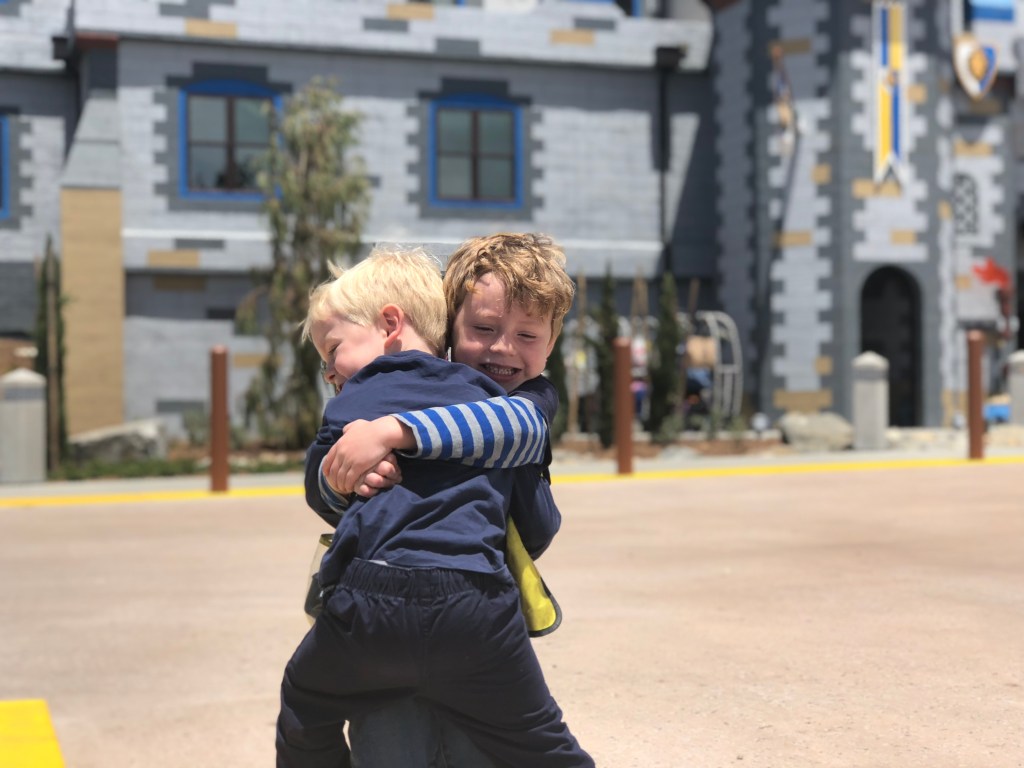
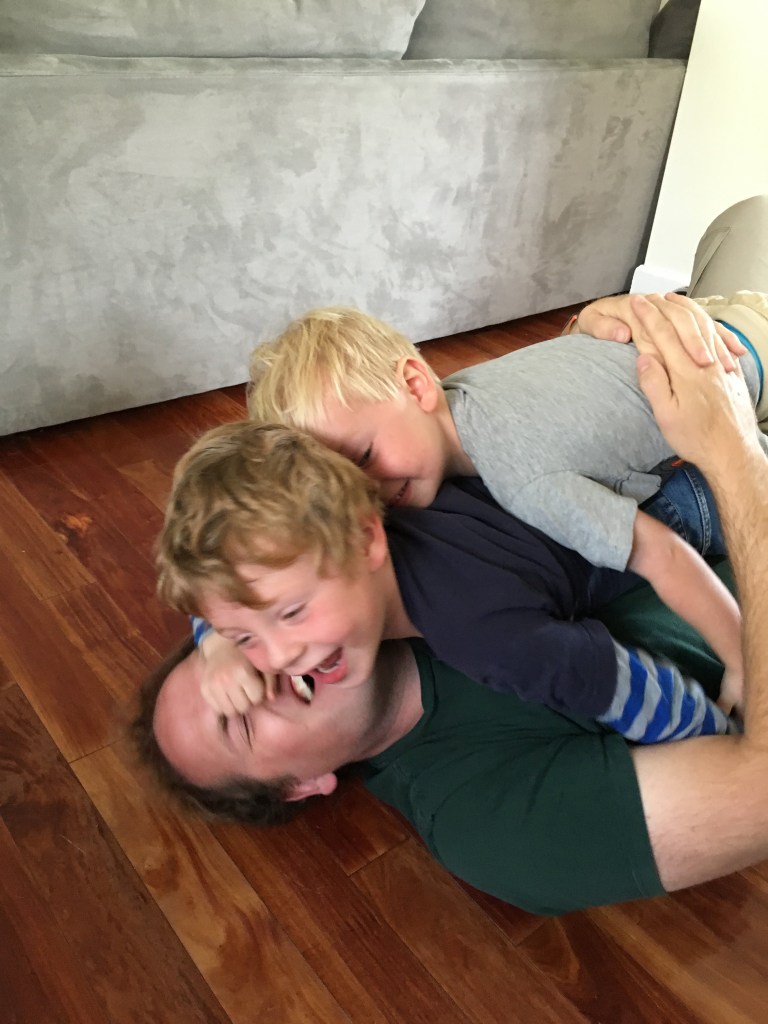
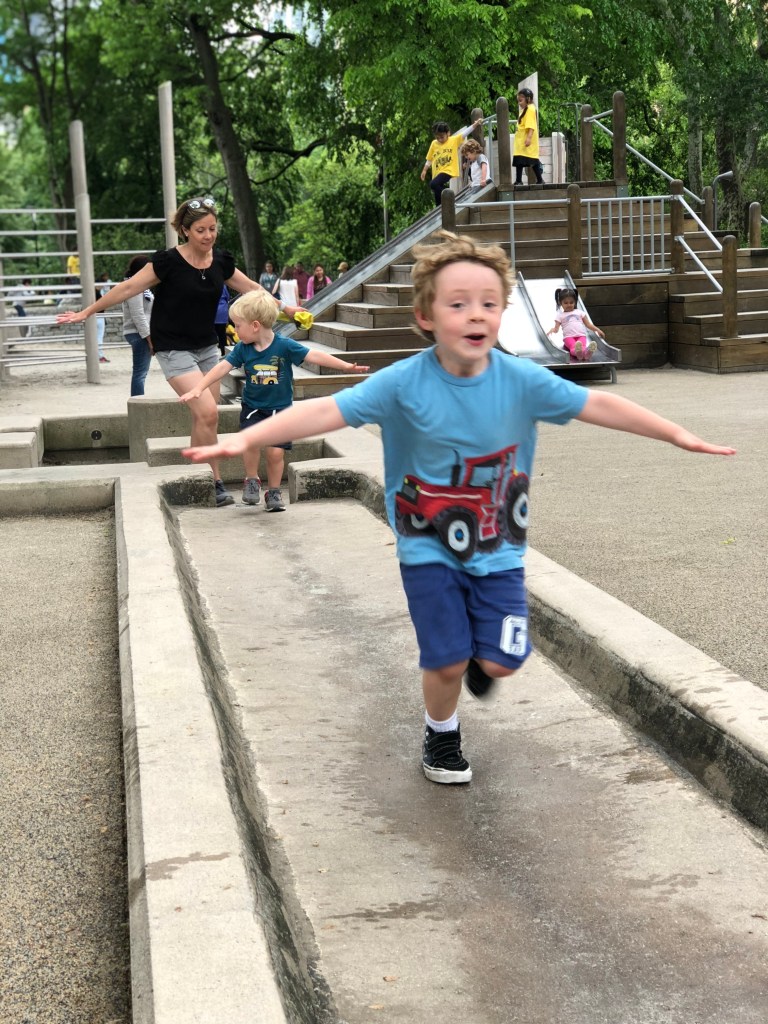
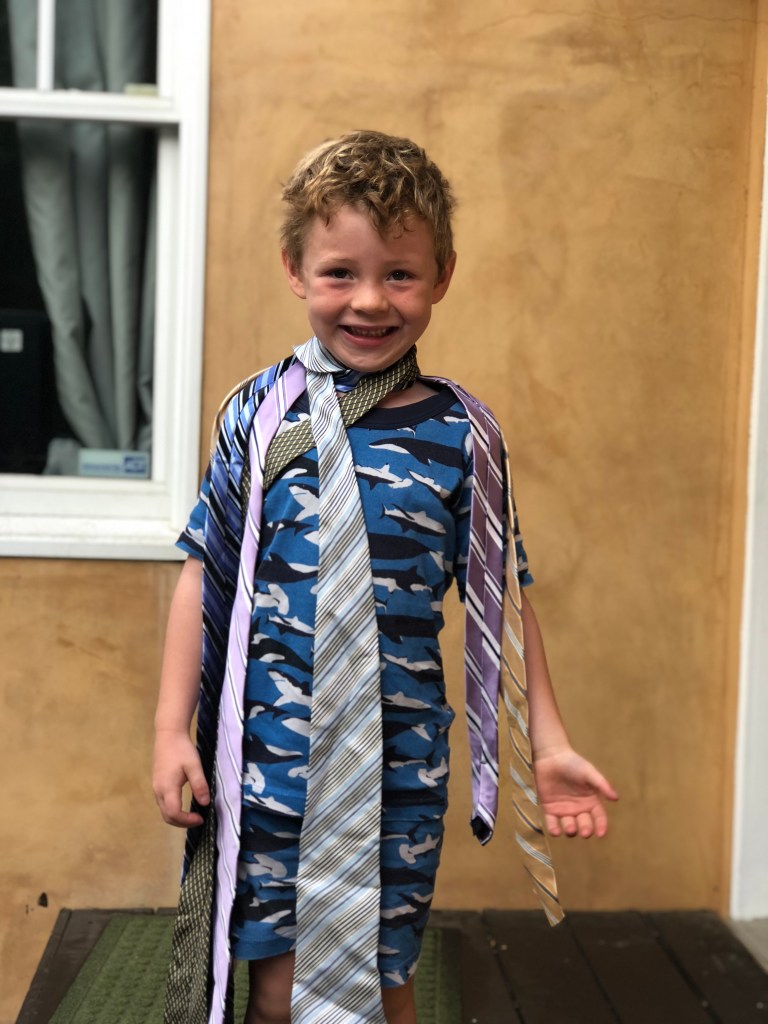
Kids know how to live in the moment. I continue to learn so much from my children about the importance of taking time to play. When do we forget this?
Read More "Three Thoughts for Thursday – September 2021 – Permission to Play"
Desiree Briel Rodi Consulting & Coaching
Business and People Strategy Unite
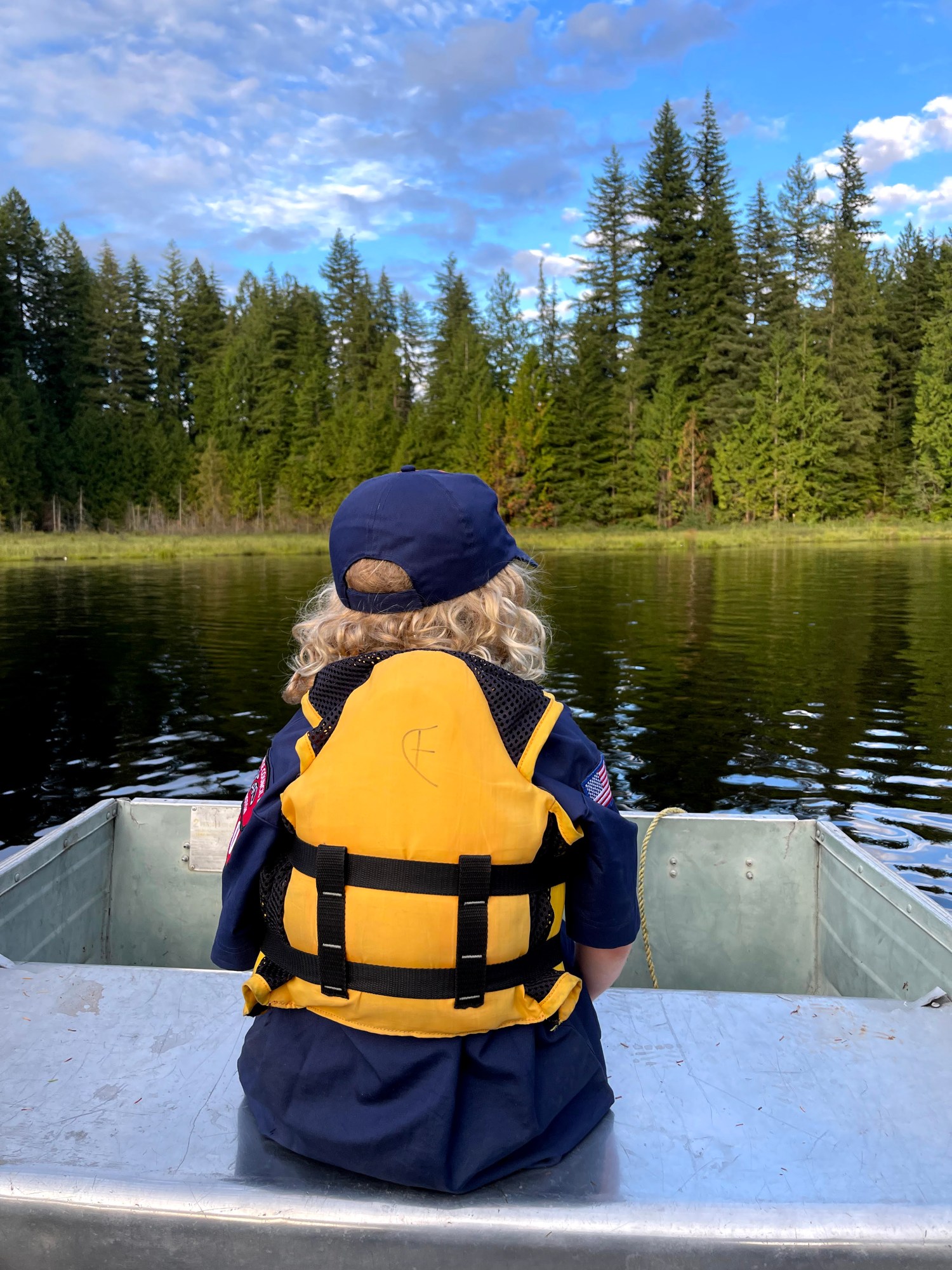
Kids know how to live in the moment. I continue to learn so much from my children about the importance of taking time to play. When do we forget this?
Read More "Three Thoughts for Thursday – September 2021 – Permission to Play"

This summer was a doozy! I have been repeating and resonating with the quote from Richard Rohr that notes, “Suffering comes from unmet expectations.” These words bring clarity to what is really going on when I find myself feeling frustrated, angry, or disappointed. I had envisioned this summer being a moment to pause, a time to both slow down and to catch up on research and writing while still creating a space for our kids to have a lazy, old-fashioned summer. I had envisioned taking the term off from school, cutting back a bit on work, being able to do some research and writing in preparation for the fall term continuation of my PhD dissertation work, while also being more present with my kids. I had envisioned my husband taking the summer off for paternity leave and assuming my usual role in managing the kids’ day-to-day activities. I had envisioned thoughtful trips to our favorite places in Oregon to spend a little more time than usual to explore and relax and slow down and just be.
Instead, in June we unexpectedly fell in love with a house that came on the market with a great big yard, just up the street where our kids could still play with all their neighborhood friends. We could see this place in our future and our future in this place. With three kids and a dog now, we’d been dreaming of a yard. We decided to sell our house to buy our next home and to welcome in this next stage of life. What was supposed to be a peaceful, languid, quiet, relaxing, and restorative summer became a roller coaster of negotiations, emotions, uncertainty, a juggling act of these moments of chaos and stress with moments of rest and renewal.
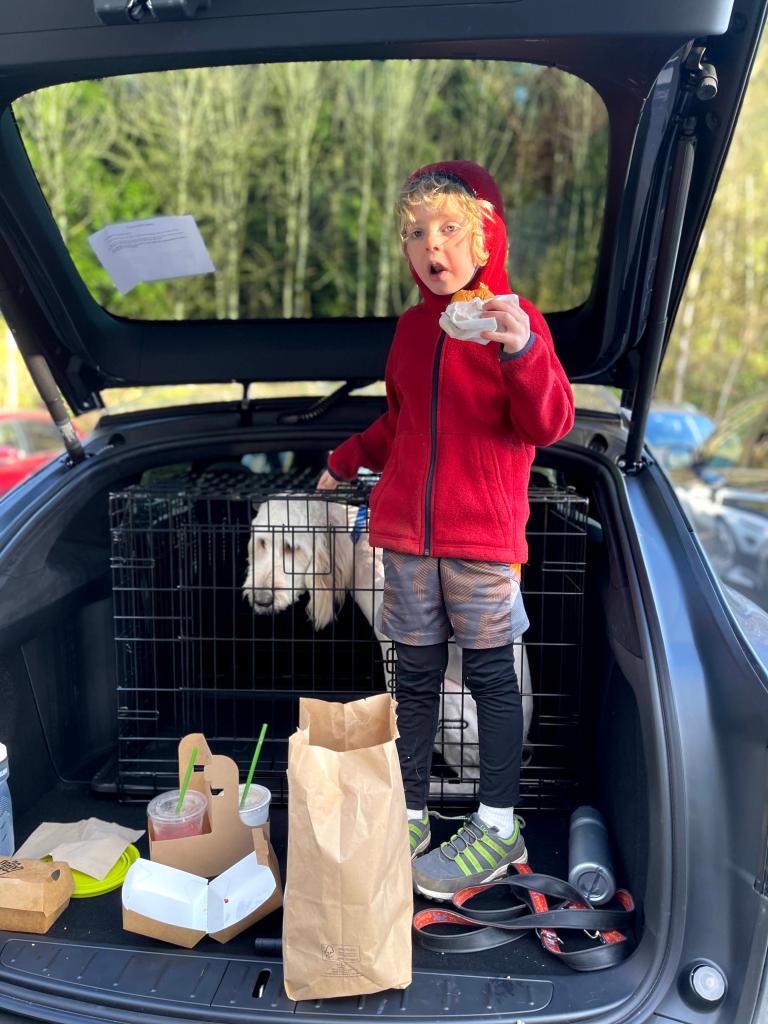
Bittersweet is the word that most resonated with me as we prepared to say good-bye to our home of nine years, the home we’d brought all three of our babies home to and had even moved back from LA to inhabit, and at the same time we dreamed of the memories we’d create in our new space. There were moments of tears and grief, only exacerbated by the stress and exhaustion of going through this buying and selling process in a hot market, juggling finances and mortgages, with three kids and a dog, jobs, and little support. We still went on our two road trip vacations, one in June as our house was prepped to go on the market and our accepted offer on the new house went through the process, and one the end of July just as we accepted an offer on our house and began the real process of selling and moving. The peaceful summer I’d imagined became a summer of displacement as we lived like gypsies, our most necessary and our most important possessions being hauled around in the car with the five of us and our dog, unable to go home, as we tried to find respite from the chaos.
On the other side of the discomfort, displacement, sadness and loss was the excitement and joy of what this new house and yard would offer both our family and my business, and how we planned to make this new house a home. Of course, the excitement was often fleeting as the waves of uncertainty washed over us. The market in Seattle has been intense, fraught with bidding wars and exorbitant prices and we were playing both sides. When our house didn’t sell the first weekend up for sale, we weren’t the only ones who began to panic. We began to fear our excitement and visions of playing baseball with our kids in the yard, and the stress and anxiety fully consumed me.
By the time we accepted an offer on our house (9 days on the market) we were on the road again, driving down to Newport, Oregon. I had packed my books and laptop thinking this was finally my chance to buckle down and get some writing done. I woke up the morning after we arrived unable to focus my eyes, unable to read a page in a book or the screen of my laptop. I woke with eyes that felt dehydrated as if I’d been wandering in the desert. My glasses or contacts made no difference. In fact, I felt better going without either. I was forced to let go of my plans to take this time to accomplish and work as day after day there were no improvements. I called the eye doctor who gave me a prescription for eye drops thinking it was likely an infection. I faithfully applied the drops, washed my hands even more than our COVID-world already had me washing, and did my best to be patient. I succumbed to my near-sighted blindness and instead of reading and writing, I took the dog for walks and watched my kids play in the sand.
I will admit, having had a stroke three years ago, and at first, I panicked, but I also leaned into the lessons I’d personally taken forward from my stroke. I closely monitored my vision and there were changes in neither a positive nor negative direction. When we returned home two weeks later, I went straight to the eye doctor who could only determine I had a condition called “dry eyes” and gave me some tips. He also recommended I see my primary care doctor for blood work as he was unable to adjust my prescription to any better than 20/40. The blood work showed nothing significant, no obvious answers. By now, my vision had also improved as we finished up the selling and buying process and moved into our new home.
I had lost sight, both literally and figuratively. Likely the literal loss of sight was due to stress, but this was more significant for me than simply being unable to read a book or write a paper. Three and a half years ago, I had a stroke and have often looked back at that experience as pivotal in choosing to reevaluate my life and begin living the life I’d envisioned, the life I was meant to live, to live into my fullest potential. I stopped making excuses, stopped waiting, stopped complaining, and holding both fear and courage, I started my own business. I found my voice and I began creating the life I wanted to live. I saw how all the pieces, all the challenges from my past suddenly made sense and fit together to create this person I was destined to become, and realized the person I wanted to be was already mostly there in me if I just had the courage to see.
I began my consulting and coaching practice to support others in taking creative direction of their own lives, too. As I leaned into my authenticity and owned my worthiness, opportunities came my way that lit my path forward. I heard myself say to clients more than once, “what would it be like to pause, get off the hamster wheel and do something differently?” The stroke had indeed been the impetus to get off the hamster wheel and consider other ways. Just this summer, here I was again, on the hamster wheel, running as fast as I could, too terrified that things would fall apart if I stepped off. I’d lost sight of the life I’d envisioned, of my reasons for becoming a coach, of my purpose in pursuing a PhD to help support EI in schools, of being the mom who took time to play with her kids. Losing sight in the literal sense was the impetus to step back, close my eyes, and stop straining to see too far ahead in order to regain sight of my path forward.
As I paused and let myself sit in blindness, I was able to see again. I decided to take another term off from school as I saw I wasn’t living my values working on a PhD to support efforts to raise kids with emotional intelligence through social and emotional learning programs, meanwhile while failing to be fully present and emotionally available at the level I wanted with my own family, my own children. While I strive to make space for my clients to reflect and stumble with empathy and respect for the journey, I realized I also need to be kinder and more empathetic, more respectful of myself and my journey. I have learned throughout my life, and again in the last several years, that I have permission to stop chasing perfection and simply focus on doing my best; and in doing so, opportunities and timing will take care of themselves. I hope one day I won’t need to be handed such obvious signs as a stroke or temporary loss of sight in order to pause and revisit my vision and path. I hope that I will continue to give myself the time, grace and empathy to pause to make sure I am staying on course and to trust I am who I am meant to be in this moment, and I am becoming the person I am meant to be, little by little, moment by moment, choice by choice.
~
What are the moments in your life that have forced you to pause and refocus? When have you found yourself losing sight? What has helped you to see your way forward? What lessons have you collected that allow you to see more clearly going forward?
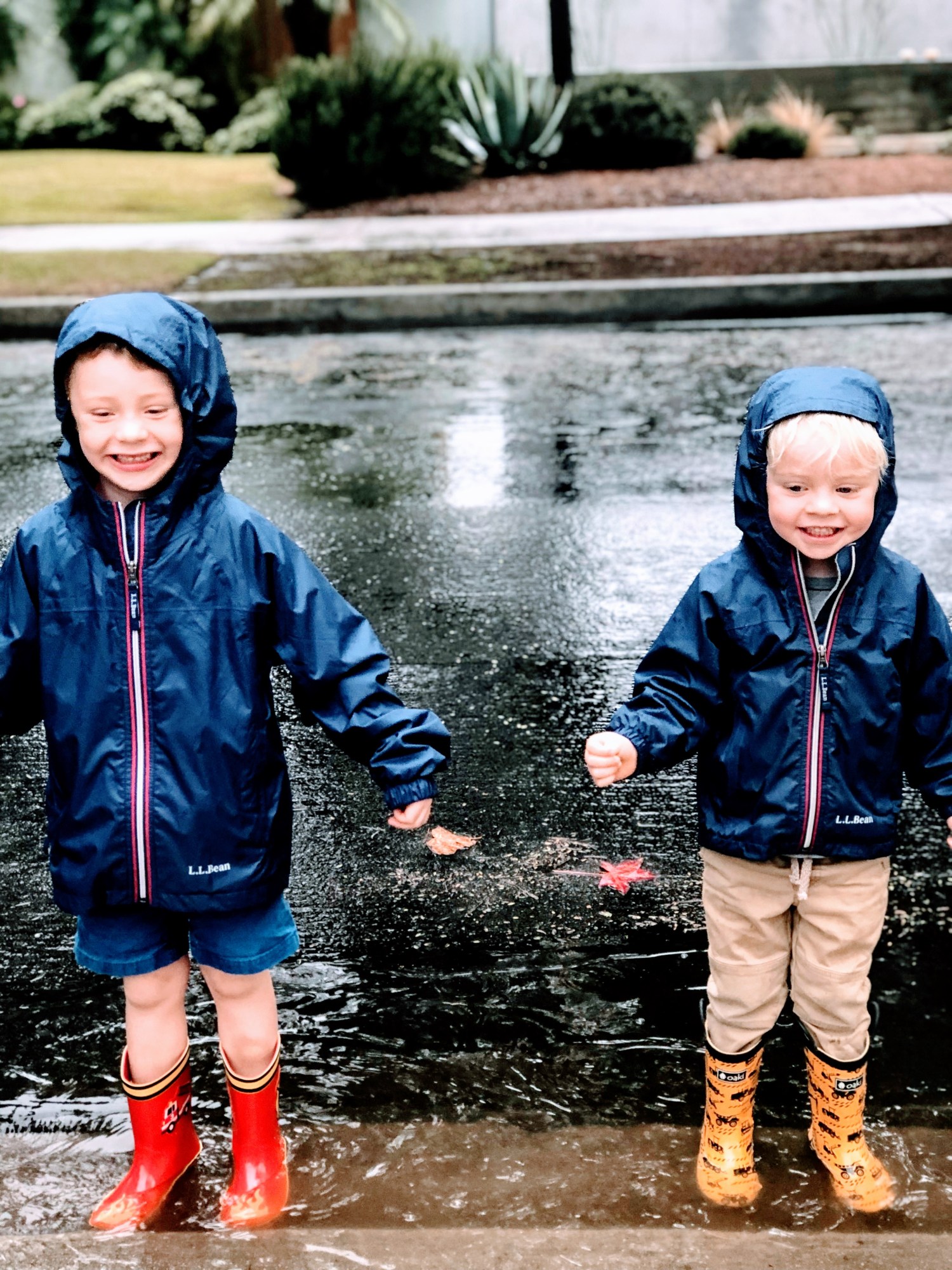
J is for June and for JOY!!
Joy… What comes to mind when you think of joy? Have you heard the term “unadulterated joy”? Take that term apart – “un-adult” – and it seems to imply adulthood gets in the way of joy. I recently had a conversation about my own relationship with joy and this idea that I need to earn it, need to complete all the tasks on my to-do list before I can experience joy. Unsurprisingly, the to-do list is never-ending! Does this resonate with any of you, this idea that joy is only allowed once you’ve done your chores? When I also think more about joy, I think of children and the purity of their joy in the simple pleasures and new experiences of life – playing in the rain or running through the sprinklers, eating ice cream, learning to walk and run, building a fort or a Lego creation, sharing their success, playing at the park – the list goes on and on. I have memories of this joy, but I admit, I often think partaking in that kind of joy is now out of reach as an adult.
But what if it is not? What if we can still tap into that child-like, “unadulterated” joy? What if we don’t have to earn it but can stop and experience joy along the way, as we work through that never-ending to-do list of adulthood? If the list is never-ending, what’s the harm in a break from time to time? This is what I encourage you to think about as you read this June edition of Three Thoughts for Thursday and embark upon the summer months. How can you invite more joy into your life? How might joy be just the thing you need to fill up and go further? How might you look at life through the eyes of a child and pause now and then to pick a dandelion, eat a popsicle on a hot day, laugh, jump in a puddle, and simply live in the joy of the moment?
Quote(s) I am sitting with, pondering and find inspiring:
“Joy comes to us in ordinary moments. We risk missing out when we get too busy chasing down the extraordinary.”
~ Brené Brown ~
Podcast I’m Listening to:
The Happiness Lab – Laurie Santos
You might think you know what it takes to lead a happier life… more money, a better job, or Instagram-worthy vacations. You’re dead wrong. Yale professor Dr. Laurie Santos has studied the science of happiness and found that many of us do the exact opposite of what will truly make our lives better. Based on the psychology course she teaches at Yale — the most popular class in the university’s 300-year history — The Happiness Lab with Dr. Laurie Santos will take you through the latest scientific research and share some surprising and inspiring stories that will change the way you think about happiness.
Happiness Lessons of The Ancients: Lao Tzu
May 2, 2021 : 37:09
The challenges of life often cause us to work frantically to overcome our difficulties – but the Chinese thinker Lao Tzu recommended that instead we should emulate the slow, steady, yet powerful flow of a river.
Solala Towler has studies and taught the principles of Daoism for more than 30 years – and explains how we can implement them into our daily lives. Things like retaining our childlike wonder, being content to go with the flow, and appreciating moderation in all things so that we don’t burn ourselves out.
You can read more about Solala’s work at https://abodetao.com/
Book I am Reading:
The Book of Joy: Lasting Happiness in a Changing World
An instant New York Times bestseller
Two spiritual giants. Five days. One timeless question.
Nobel Peace Prize Laureates His Holiness the Dalai Lama and Archbishop Desmond Tutu have survived more than fifty years of exile and the soul-crushing violence of oppression. Despite their hardships—or, as they would say, because of them—they are two of the most joyful people on the planet.
In April 2015, Archbishop Tutu traveled to the Dalai Lama’s home in Dharamsala, India, to celebrate His Holiness’s eightieth birthday and to create what they hoped would be a gift for others. They looked back on their long lives to answer a single burning question: How do we find joy in the face of life’s inevitable suffering?
They traded intimate stories, teased each other continually, and shared their spiritual practices. By the end of a week filled with laughter and punctuated with tears, these two global heroes had stared into the abyss and despair of our time and revealed how to live a life brimming with joy.
This book offers us a rare opportunity to experience their astonishing and unprecedented week together, from the first embrace to the final good-bye.
We get to listen as they explore the Nature of True Joy and confront each of the Obstacles of Joy—from fear, stress, and anger to grief, illness, and death. They then offer us the Eight Pillars of Joy, which provide the foundation for lasting happiness. Throughout, they include stories, wisdom, and science. Finally, they share their daily Joy Practices that anchor their own emotional and spiritual lives.
The Archbishop has never claimed sainthood, and the Dalai Lama considers himself a simple monk. In this unique collaboration, they offer us the reflection of real lives filled with pain and turmoil in the midst of which they have been able to discover a level of peace, of courage, and of joy to which we can all aspire in our own lives.
Recently, I had the opportunity to be a guest on a podcast – my first time and it was so fun! Erika Parker Price created the podcast, Ready, Pause, Go, “the only podcast that focuses on the POWER of the career pause.” You can listen to my episode with her here.
Please check out my latest blog post, Lessons of the Run, Part IV: GRIT. You can also find recent posts Are we Losing Our Humanity? and previous lessons of the run, Lessons from the Run, Part 1: Mile 18 – Endurance, and Lessons from the Run, Part 2: Resilience, Lessons of the Run, Part 3: Rest. If you missed my May edition of Three Thoughts for Thursday, you can find it here, on my blog as well.
On April 27th, Kathy Hadizadeh and I kicked off the Emotional Intelligence Special Interest Group for ICFLA. Our next session will be on June 22nd and we will be diving deeper into Self-Awareness: Surfacing and Understanding Emotions. If you are interested in joining and co-creating this learning community, please use the link above to find out more and to come along for the journey!
I’m always looking for new inspiration, new books to read, new podcasts to listen to, so please send your suggestions my way or comment on this post to offer some new recommendations! Your feedback is always appreciated!

What is grit? This term is thrown around a lot these days. There is even a book called Grit – The Power of Passion and Perseverence by Angela Duckworth. According to Merriam-Webster, grit can be defined as “1a: sand or gravel; b: a hard sharp granule; 2: any of several sandstones; 3a: the structure of a stone that adapts it to grinding; b: the size of abrasive particles usually expressed as their mesh; 4: firmness of mind or spirit; underlying courage in the face of hardship or danger.” Synonyms include backbone, constancy, fiber, fortitude, guts, spunk. Angela Duckworth notes from studying high achievers, “It was this combination of passion and perseverance that made [them] special. In a word, they had grit.” (Duckworth, 2016). She further notes that “[o]ur potential is one thing. What we do with it is quite another” implying grit is a choice.
Related to endurance and resilience, grit is a form of determination and a lesson I’ve learned and cultivated through running. I have also learned about grit through situations I’ve faced in life and have had the opportunity to bring these learnings to the run where I find further clarity. Grit, to me, is that moment in the marathon, the “bonk” as I called it in the first blog post of this series, when I go through the mental battle and then decide to dig deep and choose to commit to the finish line. I use the term, “decide” because I do think grit is a decision, a choice, whether conscious or not, to give it your all, to dig a little deeper than you thought you could and see something through. Grit takes wisdom – not every battle is meant to be fought and not every battle can be won, even with additional determination. There’s a decision to be made if the application of grit is appropriate or worthwhile in any given situation. Experiences of overcoming and employing grit help provide this insight I call wisdom.
This moment of “deciding”, of choosing to dig deep and apply grit, happens during every marathon for me. Though as I have accumulated a number of experiences now, the decision to get gritty comes easier, as if the grit has accumulated. I have learned not to give up. As a general rule of thumb, I generally apply a little grit first before turning to the wisdom of experience and intuition. As a runner, I have endured stress fractures, muscle tears, and even a stroke, and have returned to the run, better able to overcome. Having children, running marathons, overcoming brain surgeries all taught me to not only overcome, but also to trust in the strength of my body and mind, and to trust my gut. I would say that it was grit that got me through and I could also say that getting through these experiences helped to build my grit.
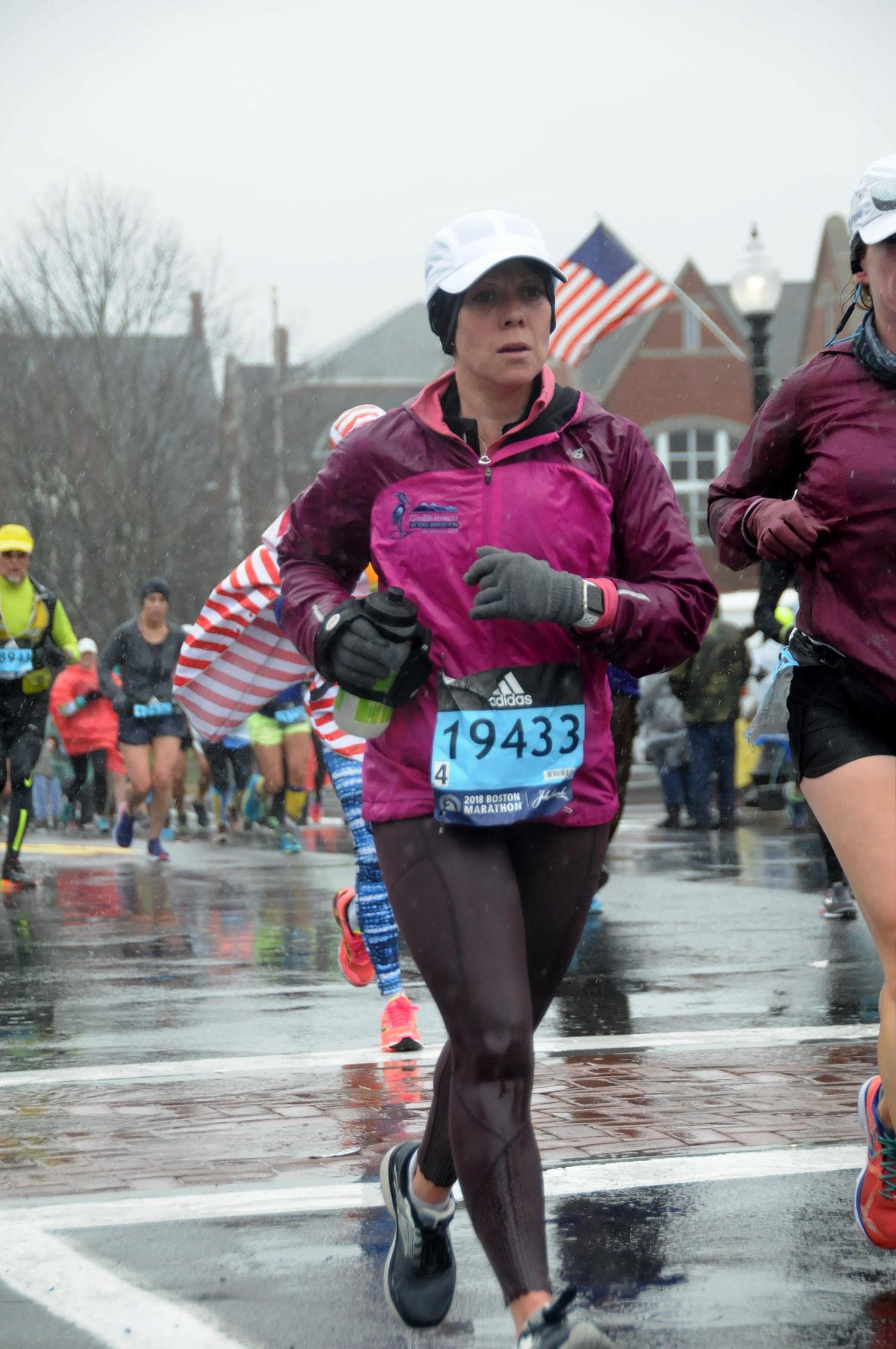
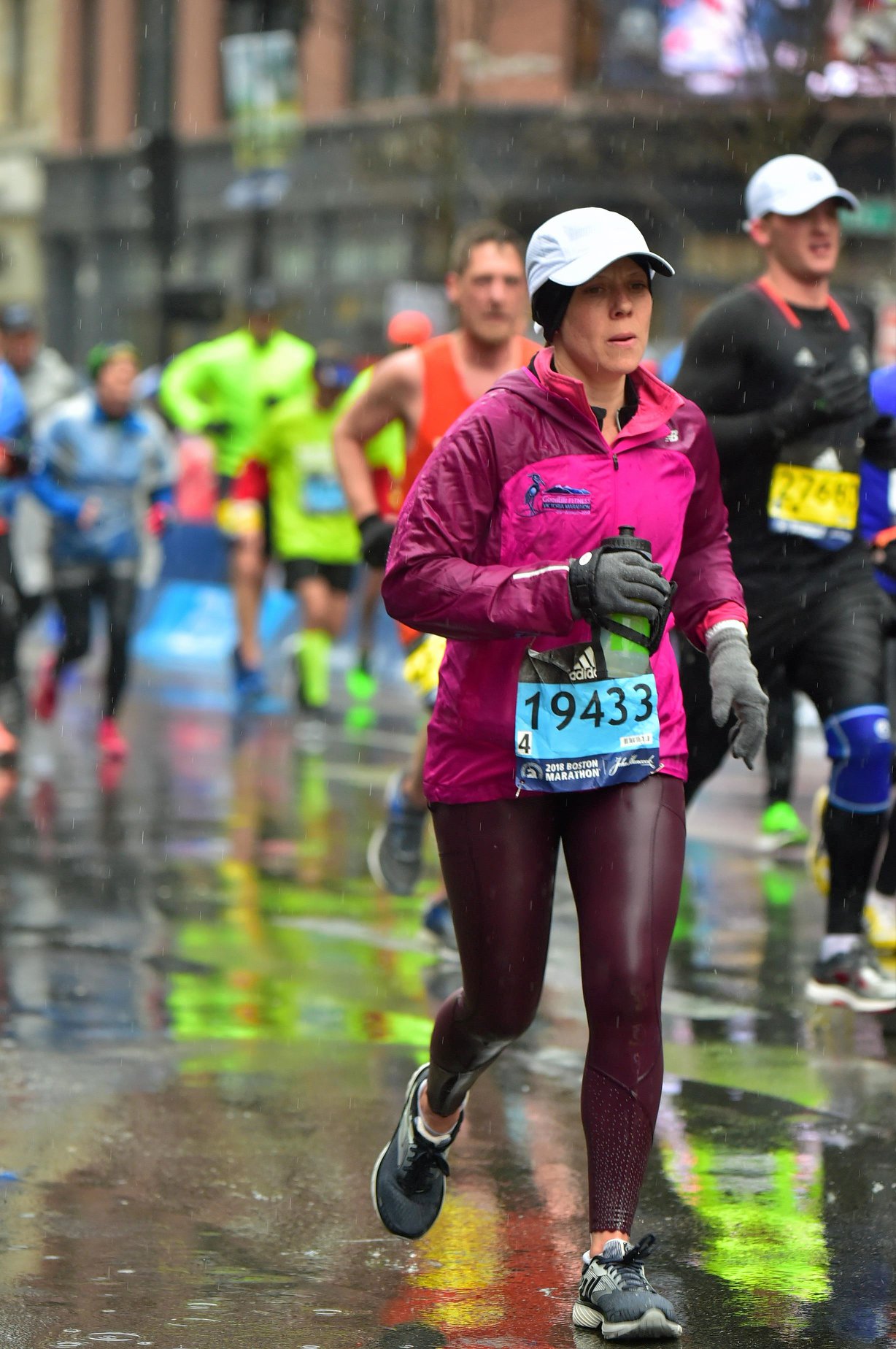
The marathon that stands out for me as a true test of my grit, that “passion and perseverance” Duckworth calls out in her book (2016), was the Boston Marathon, also mentioned in my Lessons of the Run: Resilience piece. Six weeks before Boston, 2018, I had a stroke that caused temporary numbness in my left hand and arm, the left side of my face, and also hampered my speech. Truthfully, I didn’t think much of it. I was confident, without a doubt, I would be fine, I would overcome. The first question to my doctors was “can I still run the Boston Marathon?” Immediately, my relentless determination set in and undoubtedly aided my recovery. My previous brain surgeries and hospitalizations, migraines, and my marathon training gave me the grit – that experience of overcoming, combined with the passion, the determination, the courage, and the strength – to pursue the completion of the Boston Marathon.
When it came to employing grit to cross the finish line, it wasn’t just the stroke or the 26.2 miles or the infamous Heartbreak Hill I had to overcome that day. There was the weather that day – the icy rain and driving winds. I felt more like I was wearing a wet suit, or that a wet suit may have been a better choice for the conditions! I distinctly remember my Apple watch I’d been using to track my pace and encourage myself died at mile 13. I remember the conversation I had in my head, the longing to quit the race and then the louder voice that replied, “Hell no! You’ve worked too hard, you’ve come too far, this may not be your best time, but you WILL finish this marathon. You can do this! You’ve got this!” I still had 13 miles to go when I had this conversation with myself; 13 long, cold, miserable miles! Grit is what I would say kicked in and empowered me to cross the finish line that day; experience reminded me I could run the distance, determination and passion reminded me that quitting wasn’t an option.
“We do hard things!” is a mantra we’ve adopted in our family from Angela Duckworth’s book (2016). Learning to overcome, building perseverance, finding your passion and voice – these are how grit is built. I remember my Aunt Norma once saying, “The more you do, the more you can do,” and in this context this again rings true. Grit is built and earned through experience, and the more “hard things” you do, the greater the “hard things” you can do and overcome. To perseverance and passion, I would add courage. May you have the courage to choose to overcome, build you grit, and do many great and hard things!
What hard things do you want to achieve? What is standing in your way? What are your fears? Where do you hit a wall, or as I call it, where’s the “bonk” occurring? How might you face it differently next time to achieve something new? What will allow you to dig deep and collect experiences of overcoming to achieve the grittiness you need to accomplish and fulfill your dreams? What is one thing, one challenge you’re facing right now, that might benefit if you decided to employ grit, dig a little deeper and give just a little more?
This is the final installment of the Lessons of the Run series, and a perfect segue to my next series, Four Letter Words.




On my wedding day, we had planned to say our vows outdoors in the autumn beauty of Southwestern Colorado. I’d grown up there and the fall was always my favorite time of year with warm, sunny days and beautiful aspens turning gold among the evergreens. We woke up to rain, not just a drizzle, but torrential downpour, complete with thunder and lightning. No problem, we had a backup plan to move the ceremony indoors. Then the power went out so we hunted up every candle we could find. No problem, surely the power would be restored by dinnertime. We took photos, dashing out from the covered patio when the rain would take a break to capture the shot. The overcast skies made the colors pop! The power did not come back on in time for dinner. No problem, the stoves were gas stoves and a few friends had brought their guitars – dinner by candlelight and music played by friends, what a gift!
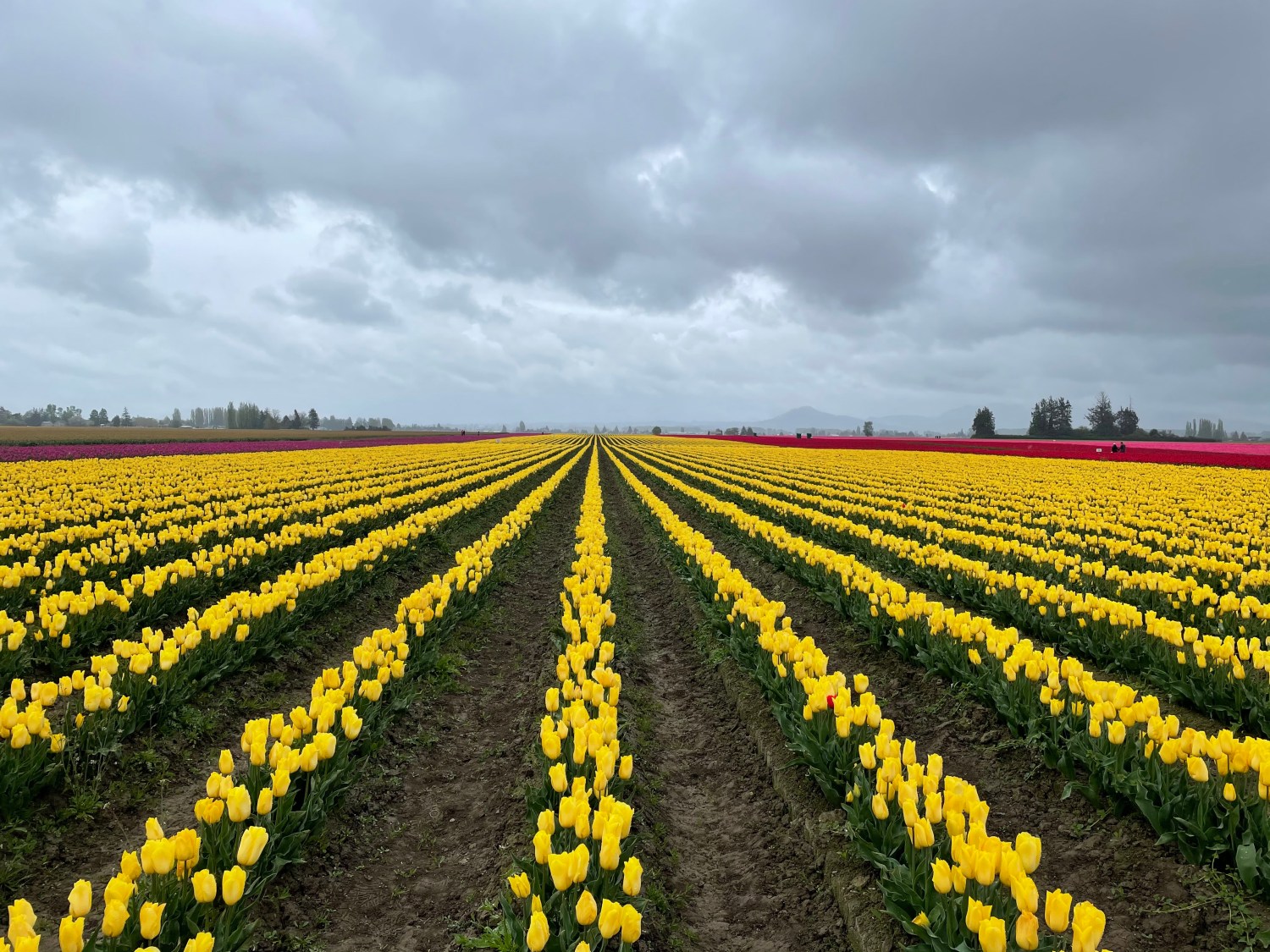
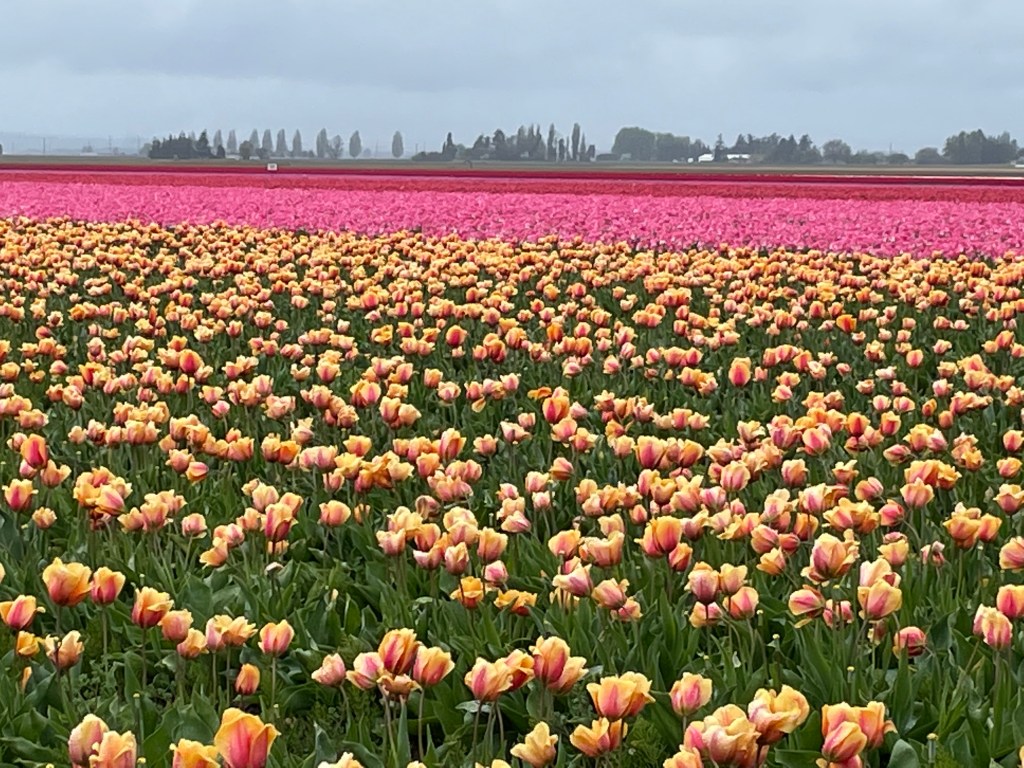
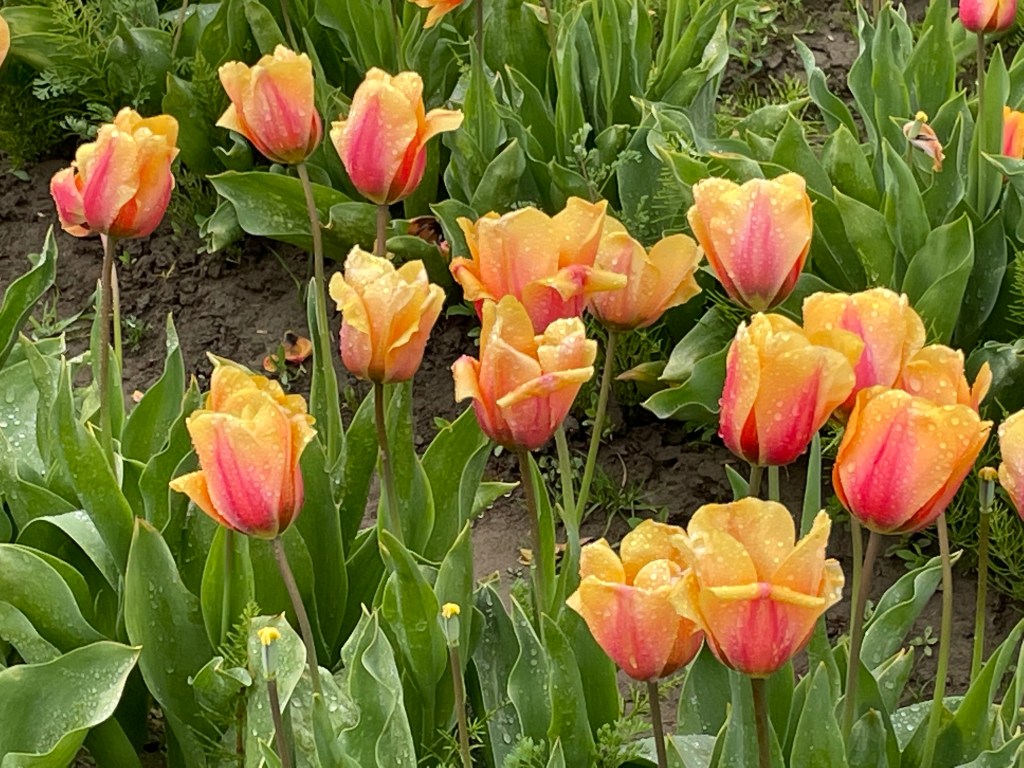
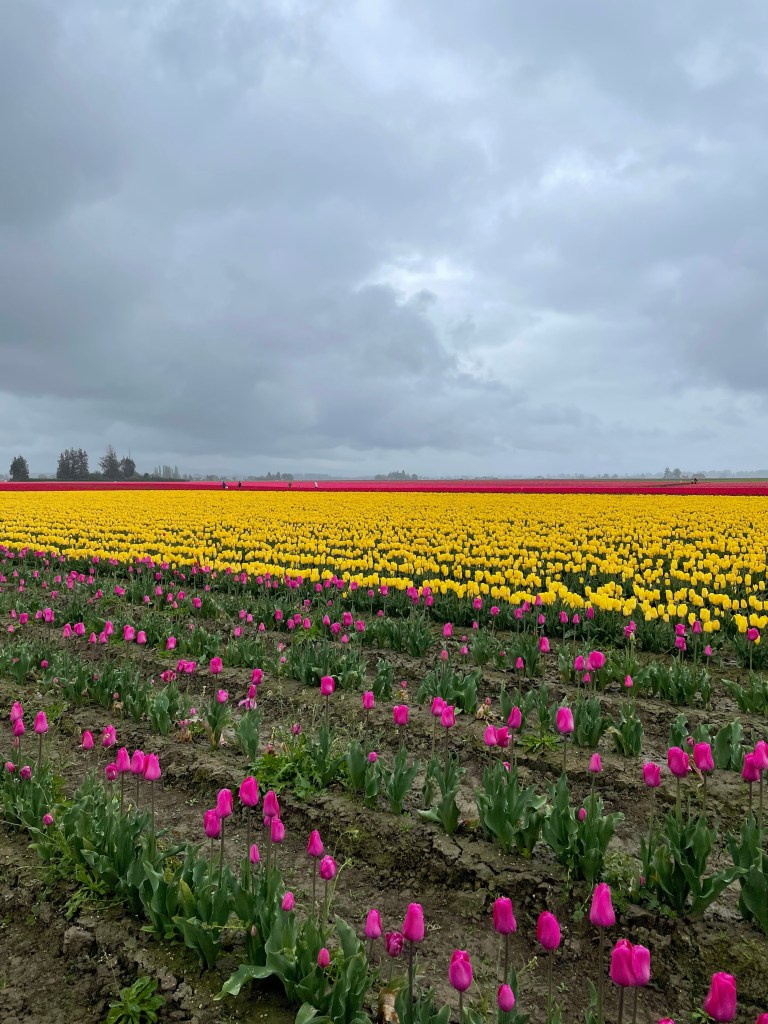
This year, we made it to the Tulip Festival in Skagit Valley just north of where we live. It was a bit rainy as we set out. No problem, there were no crowds to navigate, and wow did the colors pop! As we stood in the colorful fields of tulips and daffodils, storm clouds overhead, a light drizzle around us, I couldn’t help but think of my wedding day, and in a broader sense, of how the storms of life can make joy really stand out. I also couldn’t help but see the joy of my boys as they bought me a bouquet of flowers. The clouds and drizzle couldn’t dampen the beauty they saw. As I looked through their eyes, I, too, felt joy in the beauty I saw before me in the meeting of the storm clouds and the fields of blooming tulips as far as the eye could see. The beauty of the bloom was dependent on the rain from these clouds.
The contrast of the dark and threatening skies and the fearless beauty of the flower seems important, essential even. The focus of our vision determines what we see and what we make of the situation, of the picture before us. Do you typically see the storm clouds and fear the rain? Do raindrops make you want to go inside and wait for sunny weather? Do you see how the overcast skies serve to make the colors even brighter in contrast? Do you focus on the clouds or the flowers? What about in your life? Do you focus on the fear, uncertainty, and suffering or do you savor and appreciate the contrasting joy and beauty? Do the dark days make the good days even more valuable and precious? Where does your focus lie? How can you begin to reframe the storm clouds that may allow your view to change and the colors, the joy in your life, to “pop”?
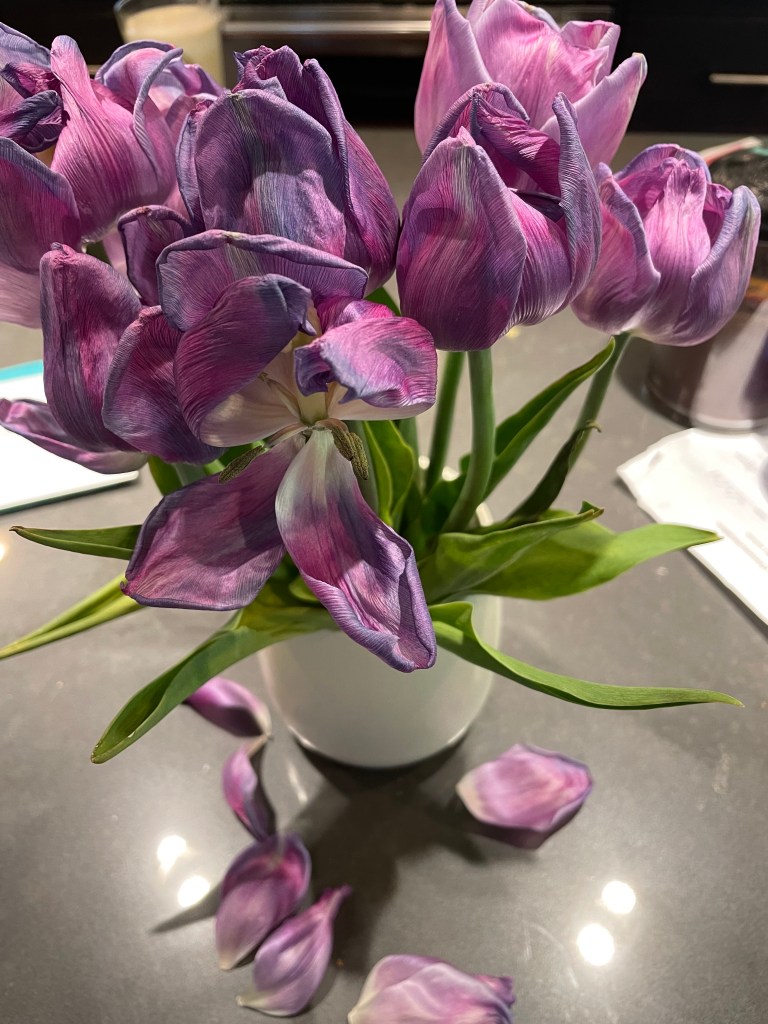
Do you see wilting flowers or the beauty of the bouquet my boys bought for me a week past its harvest?
Quote(s) I am sitting with, pondering, and find inspiring:
Don’t let the fact that you don’t know what you’re doing stop you from doing anything.
We start everything from a place of not knowing – walking, reading, dating, working. And through the doing, we learn.
We may not get it right the first time, but eventually, we know what we’re doing.
~ Neil Strauss, @neilstrass ~
Podcast I’m Listening to:
Quit Overthinking Things – HBR IdeaCast
Ethan Kross, Professor of Psychology at the University of Michigan, has spent years studying how people talk to themselves and the effect that this “chatter” has on our performance. From professional athletes to top students and senior business executives, even the most talented among us sometimes struggle to quiet the voices in our heads. And Kross says that, while some self-talk can help us, it’s often unproductive. He offers tips and tricks to break out of negative thinking and get back on track, especially at work. He is the author of the book, Chatter: The Voice in Our Head, Why it Matters, and How to Harness It.
My notes:
I appreciated this podcast as I thought about the clouds and the flowers, and how our perspectives and lenses can become habits. Kross highlights negative thought loops, the inner voice, struggling with chatter, frequency, and intensity which can vary, and calls out the impacts of this chatter specifically on these areas of life:
Uncertainty propels chatter, and we can get stuck – this seems especially relevant in the uncertainty in which we’ve been living. I often refer to getting stuck as “the hamster wheel.” Kross also notes that chatter factors into depression and anxiety. We have a lot of time alone with our thoughts.
Tips from Kross to tame the chatter:
Book I am Reading:
I have been working to question and get curious about my own lens and habits, and on understanding and taking control of changing habits, such as I mentioned above for instance, the voice in my head that often allows negative self-talk to take the stage first. As a part of this curiosity, I have been trying to cultivate a gratitude practice and space for a more positive, optimistic self-talk. Working to cultivate new ways of being and new patterns has set me on a path to understand habits, and how I might break old habits and ways of seeing that may lead me astray or cause me to stumble. Likewise, I want to understanding how I might replace these old habits with new habits that better serve me on my path.
The Power of Habit: Why We Do What We Do in Life and BusinessNEW YORK TIMES BESTSELLER • This instant classic explores how we can change our lives by changing our habits.
NAMED ONE OF THE BEST BOOKS OF THE YEAR BY The Wall Street Journal • Financial Times
In The Power of Habit, award-winning business reporterCharles Duhigg takes us to the thrilling edge of scientific discoveries that explain why habits exist and how they can be changed. Distilling vast amounts of information into engrossing narratives that take us from the boardrooms of Procter & Gamble to the sidelines of the NFL to the front lines of the civil rights movement, Duhigg presents a whole new understanding of human nature and its potential. At its core, The Power of Habit contains an exhilarating argument: The key to exercising regularly, losing weight, being more productive, and achieving success is understanding how habits work. As Duhigg shows, by harnessing this new science, we can transform our businesses, our communities, and our lives.
With a new Afterword by the author
“Sharp, provocative, and useful.”—Jim Collins
“Few [books] become essential manuals for business and living. The Power of Habit is an exception. Charles Duhigg not only explains how habits are formed but how to kick bad ones and hang on to the good.”—Financial Times
“A flat-out great read.”—David Allen, bestselling author of Getting Things Done: The Art of Stress-Free Productivity
“You’ll never look at yourself, your organization, or your world quite the same way.”—Daniel H. Pink, bestselling author of Drive and A Whole New Mind
“Entertaining . . . enjoyable . . . fascinating . . . a serious look at the science of habit formation and change.”—The New York Times Book Review
Please check out my latest blog post, Are we Losing Our Humanity? You can also find recent posts Lessons from the Run, Part 1: Mile 18 – Endurance, and Lessons from the Run, Part 2: Resilience, Lessons of the Run, Part 3: Rest, andBe and See the Light which are all still relevant to our current circumstances. If you missed my April edition of Three Thoughts for Thursday, you can find it here, on my blog as well. On April 27th, Kathy Hadizadeh and I kicked off the Emotional Intelligence Special Interest Group for ICFLA. Our next session will take place on Tuesday, June 22nd at 11 am PST and will focus on Self-Awareness. If you are interested in joining and co-creating this learning community, please use the link above to find out more and to come along for the journey!
I’m always looking for new inspiration, new books to read, new podcasts to listen to, so please send your suggestions my way or comment on this post to offer some new recommendations!
As always, thank you for your continued support and readership! Stay strong, stay brave, stay true to you!

